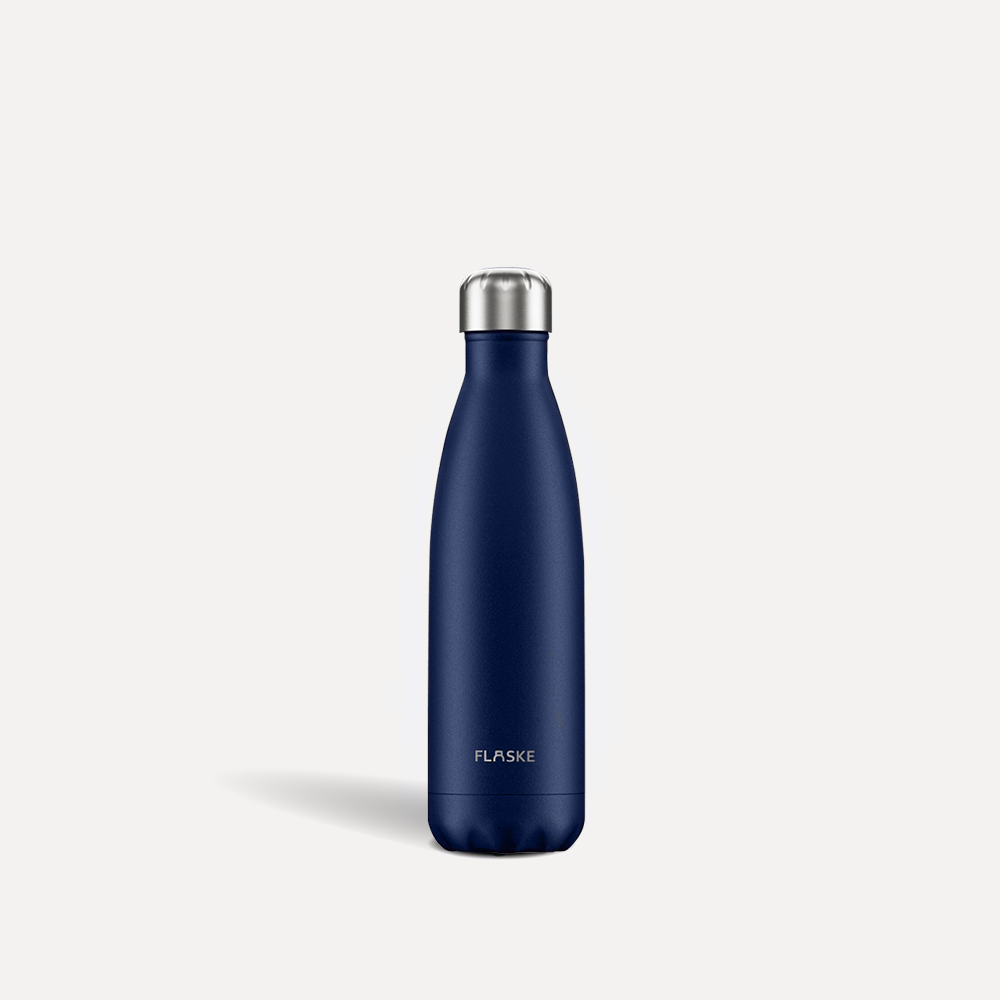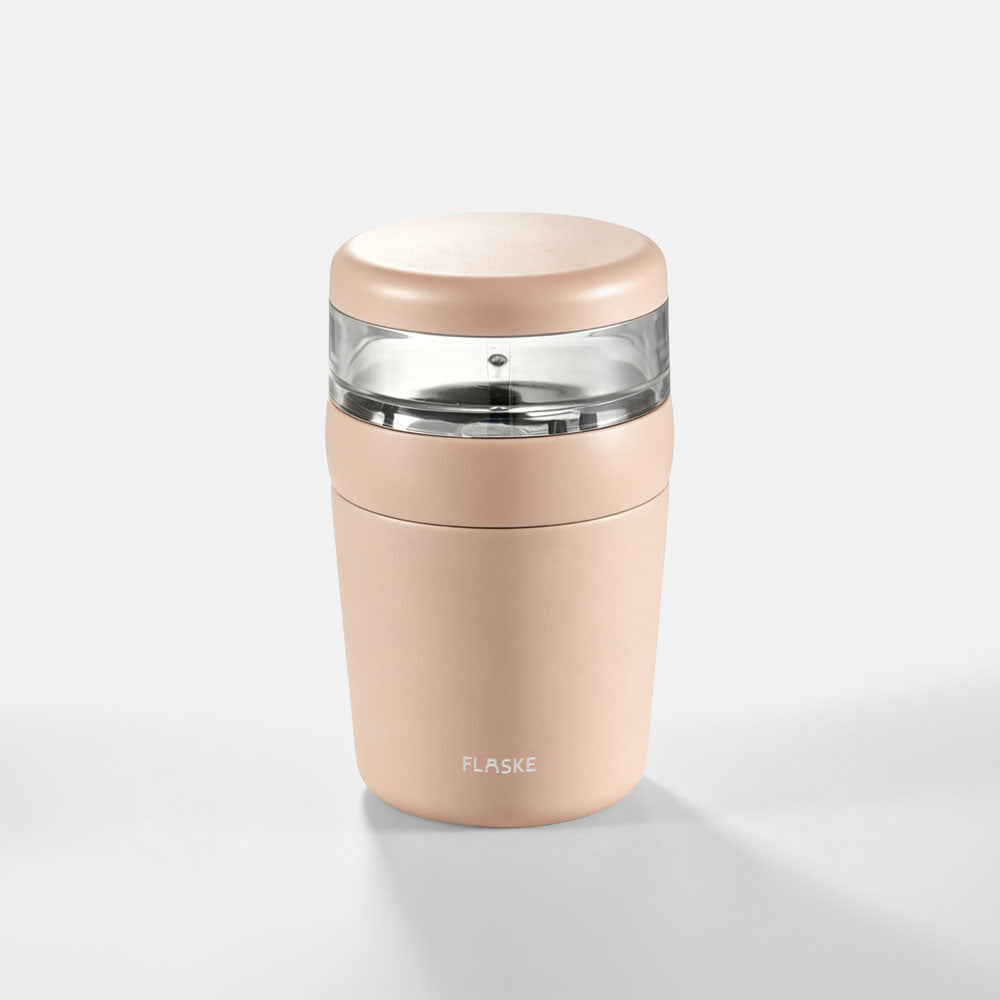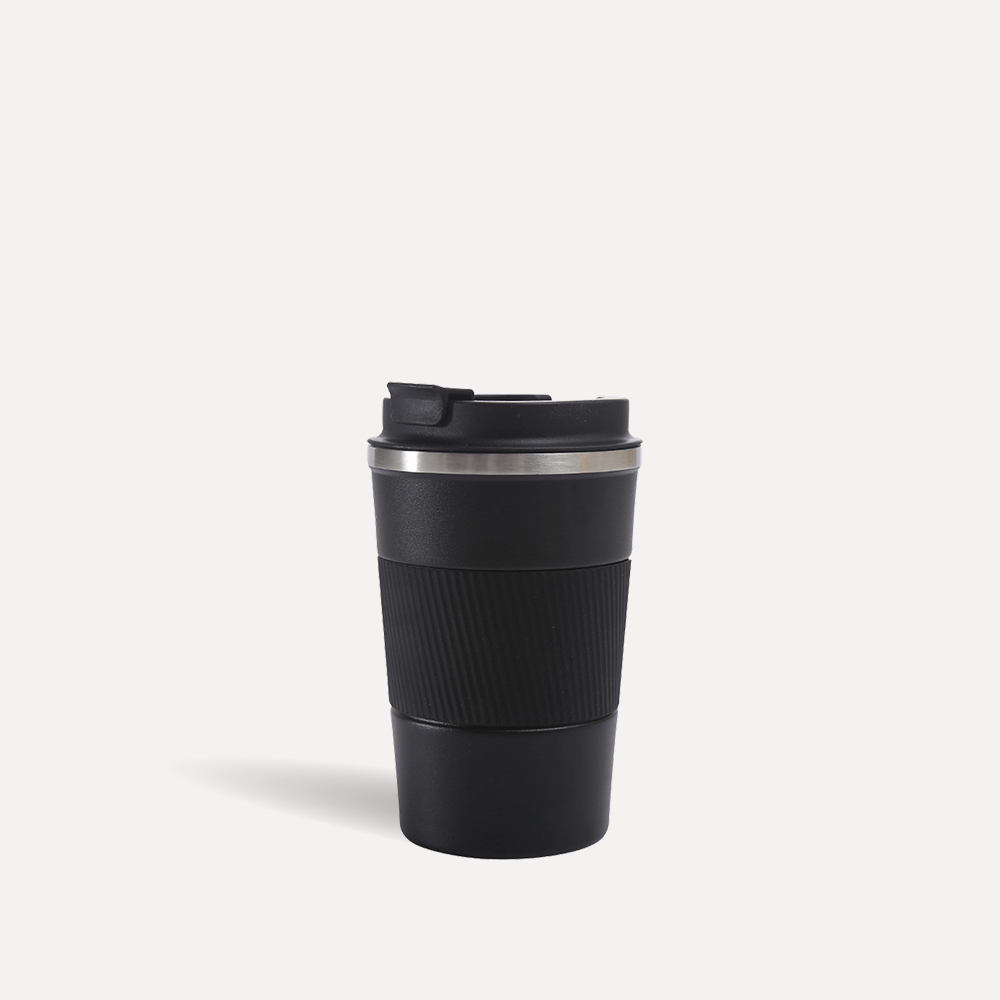
Finding practical ways to cut waste in the workplace is a constant challenge for European office managers striving for sustainable results. With growing pressure to adopt eco-friendly practices, the shift toward reusable products offers more than just a trend. This article explores common misconceptions, key features to look for, and strategic guidance tailored for offices, helping you make informed decisions that balance waste reduction with operational needs.
Table of Contents
- Reusable Products Defined And Common Misconceptions
- Types Of Reusable Products For Workplaces
- Key Features And Functions In Office Settings
- Environmental And Financial Impact Of Reusables
- Legal Compliance And Regulatory Requirements
- Comparing Reusables To Single-Use Alternatives
Key Takeaways
| Point | Details |
|---|---|
| Reusable Products Offer Strategic Value | They are designed for multiple uses, and their sustainability depends on factors like usage frequency and maintenance. |
| Impact of Workplace Reusables | Implementing durable, reusable products in workplaces enhances operational efficiency and reduces waste management costs. |
| Economic Benefits | Investing in reusable items leads to long-term financial savings through lower procurement costs and reduced waste disposal fees. |
| Importance of Compliance | Understanding and adhering to regulatory standards is essential for the effective implementation of reusable products. |
Reusable Products Defined and Common Misconceptions
Reusable products represent more than just an environmental trend - they’re a strategic approach to consumption that challenges traditional single-use models. At their core, reusable products are durable items designed for multiple uses across different contexts, ranging from water bottles to shopping bags, coffee cups, and workplace equipment.
Understanding the nuanced definition requires recognizing that not all reusable items are created equal. Researchers investigating user insights highlight critical distinctions in how different demographics perceive and utilize reusable products. The key characteristics that define a true reusable product include:
- Durability sufficient to withstand multiple usage cycles
- Material composition that supports repeated cleaning and maintenance
- Design that minimizes performance degradation over time
- Environmental impact considerations beyond initial production
Common misconceptions about reusable products often stem from oversimplified environmental narratives. Many people assume that simply purchasing a reusable item automatically generates positive ecological outcomes. Environmental impact studies reveal a more complex reality: the true sustainability of a reusable product depends on how frequently it’s used and how efficiently it’s maintained.
Environmental Effectiveness Factors for reusable products include:
- Total number of times the item is used
- Energy required for cleaning and maintenance
- Production processes and materials
- End-of-life disposal or recycling potential
The most impactful reusable products are those strategically designed to minimize resource consumption across their entire lifecycle. This means considering not just the initial purchase, but ongoing maintenance, potential repairs, and eventual responsible disposal or recycling.
Pro tip: Before investing in reusable products, calculate the potential use cycles and compare the total environmental impact against single-use alternatives to make truly informed sustainable choices.
Types of Reusable Products for Workplaces
Modern workplaces are increasingly adopting reusable products as a strategic approach to sustainability and cost management. Innovative packaging solutions have transformed how organizations approach resource consumption, offering a wide range of durable alternatives to traditional single-use items.
The landscape of workplace reusable products encompasses several key categories:
-
Beverage Containers
- Stainless steel water bottles
- Insulated coffee mugs
- Reusable drink tumblers
-
Food Service Items
- Lunch containers
- Cutlery sets
- Collapsible food storage solutions
-
Office Supplies
- Refillable writing instruments
- Rechargeable batteries
- Reusable notebook systems
These products are not just environmentally responsible choices but also represent significant operational efficiency improvements. Returnable packaging systems have evolved to provide robust solutions that minimize waste and reduce overall resource consumption in professional environments.
Material Considerations for workplace reusable products typically include:
- Durability and long-term performance
- Easy cleaning and maintenance
- Resistance to chemical degradation
- Lightweight and portable design
- Compatibility with workplace hygiene standards
The most effective reusable products for offices are those that seamlessly integrate into existing workflows while providing tangible sustainability benefits. This means selecting items that are not only environmentally friendly but also practical, user-friendly, and capable of withstanding frequent use in professional settings.
Pro tip: Conduct a workplace audit to identify single-use items that can be systematically replaced with high-quality, durable reusable alternatives to maximize both environmental and financial benefits.
Key Features and Functions in Office Settings
Reusable products in professional environments must meet rigorous performance standards that go beyond basic sustainability goals. Critical functional attributes demonstrate that successful office reusables require a sophisticated balance between practical utility and environmental responsibility.
Key Performance Requirements for office reusable products include:
- Durability under frequent use conditions
- Ease of cleaning and maintenance
- Compatibility with workplace sanitation protocols
- Ergonomic design supporting employee comfort
- Minimal performance degradation over time
Technical specifications for reusable packaging highlight several critical functional considerations that distinguish high-quality office products. These specifications emphasize not just environmental impact, but also practical workplace performance metrics that directly influence employee productivity and operational efficiency.
Functional Evaluation Criteria for office reusable products typically encompass:
- Chemical resistance
- Temperature tolerance
- Structural integrity
- Weight and portability
- Aesthetic professional appearance
Successful implementation of reusable products requires a comprehensive understanding of workplace dynamics. This means selecting items that seamlessly integrate into existing workflows, meet strict hygiene standards, and provide tangible operational benefits beyond simple waste reduction.

Modern office environments demand versatility from their reusable products. The most effective items are those that can adapt to multiple use scenarios while maintaining consistent performance, ultimately supporting both sustainability initiatives and workplace efficiency.
Pro tip: Develop a systematic evaluation framework that assesses potential reusable products across multiple performance dimensions, ensuring they meet both environmental and operational excellence standards.
Environmental and Financial Impact of Reusables
Reusable products represent a strategic investment that delivers substantial environmental and financial benefits for modern offices. Comprehensive life cycle analyses demonstrate that these products offer far more than just sustainability credentials - they provide tangible economic advantages.
Cost Reduction Mechanisms through reusable products include:
- Decreased waste management expenses
- Lower procurement costs over time
- Reduced single-use product purchases
- Minimized waste disposal fees
- Potential tax incentives for sustainable practices
Scaling returnable packaging systems reveals significant environmental benefits that translate directly into financial savings. The most progressive organizations recognize that sustainability is not just an ethical choice, but a sophisticated business strategy.
Environmental Impact Metrics for reusable products demonstrate remarkable improvements:
- Reduced greenhouse gas emissions
- Significantly lower water consumption
- Decreased raw material extraction
- Minimal landfill waste generation
- Lower overall carbon footprint
The financial calculus of reusable products goes beyond immediate cost savings. By investing in high-quality, durable items, offices create long-term value through reduced replacement frequency, lower procurement costs, and enhanced brand reputation for environmental responsibility.
Modern businesses are increasingly recognizing that sustainable practices are not cost centers, but strategic investments that drive operational efficiency and competitive advantage. The transition to reusable products represents a holistic approach to resource management that benefits both the bottom line and the planet.
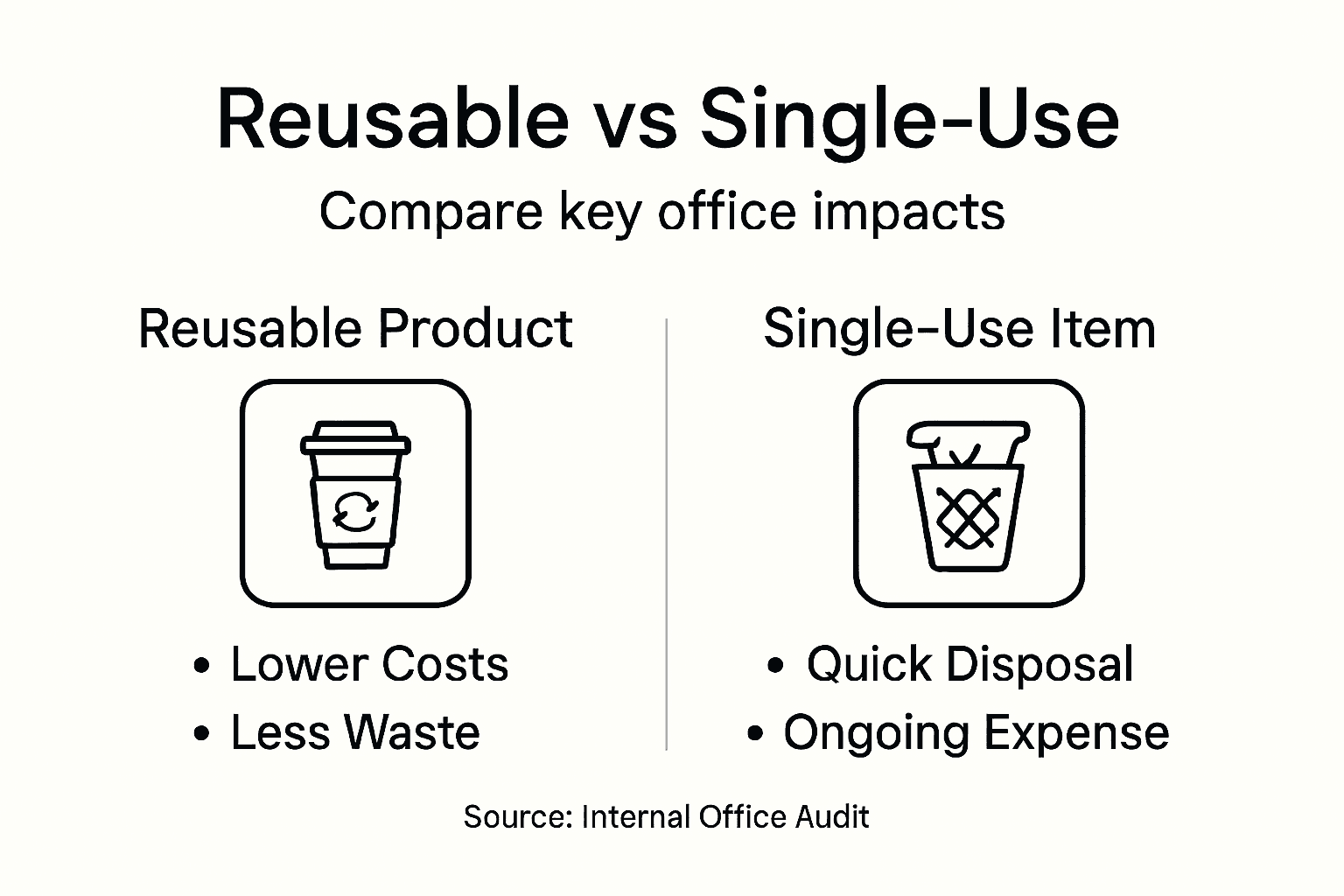
Below is a summary of key business impacts of adopting reusable products in offices:
| Business Benefit | Description | Example Outcome |
|---|---|---|
| Waste Reduction | Decreases quantity of disposables used | Lower disposal costs |
| Operational Efficiency | Streamlines supply and inventory needs | Fewer supply deliveries needed |
| Long-term Savings | Reduces replacement and procurement costs | Annual budget improvement |
| Employee Engagement | Encourages sustainable workplace culture | Higher staff satisfaction |
Pro tip: Conduct a comprehensive cost-benefit analysis that includes not just direct expenses, but also indirect savings from reduced waste, improved employee perception, and potential sustainability incentives.
Legal Compliance and Regulatory Requirements
Navigating the complex landscape of legal compliance for reusable products requires a comprehensive understanding of evolving regulatory frameworks. Technical standards for reusable packaging establish critical guidelines that offices must carefully implement to ensure both legal adherence and product effectiveness.
Key Regulatory Compliance Areas include:
- Chemical safety standards
- Material durability requirements
- Hygiene and sanitation protocols
- Traceability and documentation
- Environmental impact assessments
Global policy developments are increasingly driving standardization of reusable product regulations across different jurisdictions. This trend reflects a growing recognition that consistent legal frameworks are essential for widespread adoption of sustainable workplace practices.
Critical Compliance Considerations:
- Local environmental protection regulations
- Workplace health and safety standards
- Product certification requirements
- Waste management guidelines
- Recycling and disposal protocols
Successful legal compliance goes beyond mere technical adherence. Organizations must develop proactive strategies that anticipate regulatory changes, integrate comprehensive documentation processes, and demonstrate a commitment to sustainable practices that align with emerging environmental standards.
The intersection of legal requirements and sustainable innovation creates a complex but crucial landscape for businesses. Forward-thinking offices recognize that compliance is not a burden, but an opportunity to lead in environmental responsibility and operational excellence.
Pro tip: Establish a dedicated compliance review process that regularly audits reusable product standards, ensuring ongoing alignment with the latest local and international regulatory requirements.
Comparing Reusables to Single-Use Alternatives
Understanding the nuanced differences between reusable and single-use products requires a comprehensive analysis of environmental, financial, and operational impacts. Life cycle assessments reveal critical insights into the true sustainability of different product approaches.
Key Comparative Dimensions between reusable and single-use products:
- Environmental footprint
- Long-term cost efficiency
- Resource consumption
- Waste generation
- Performance reliability
European research studies consistently demonstrate that reusable alternatives outperform single-use products across multiple sustainability metrics. The critical factor lies in understanding the specific break-even points where reusable items become more economically and environmentally advantageous.
Comparative Performance Metrics:
- Number of use cycles
- Material durability
- Cleaning and maintenance requirements
- Initial production energy
- End-of-life disposal impact
The economic calculus of reusable products extends far beyond simple cost comparisons. While single-use alternatives might appear cheaper initially, reusable products deliver substantial long-term value through reduced waste, lower replacement frequency, and minimized environmental impact.
Modern offices are recognizing that the choice between reusable and single-use products is not just an environmental decision, but a strategic operational choice that impacts brand reputation, employee engagement, and overall organizational sustainability.
Here’s a concise comparison of reusable products versus single-use alternatives in workplace settings:
| Evaluation Aspect | Reusable Products | Single-Use Alternatives |
|---|---|---|
| Upfront Cost | Higher initial investment | Lower single purchase price |
| Lifetime Value | Cost-effective with repeated use | Requires continuous purchasing |
| Environmental Impact | Reduces waste and emissions | Generates more landfill waste |
| Maintenance Required | Needs regular cleaning | Used once, then discarded |
| Brand Perception | Enhances sustainability image | Neutral or negative reputation |
Pro tip: Calculate the total cost of ownership for reusable products, including initial investment, maintenance, and projected lifecycle, to make a comprehensive comparative assessment.
Make Your Office Sustainability Vision Real with Reusable Solutions
The article highlights the challenge offices face in choosing truly effective reusable products that balance durability, environmental impact, and practical performance. Many workplaces struggle with selecting items that withstand frequent use, align with hygiene standards, and generate measurable cost savings. FLASKE understands these pain points and offers durable, personalized stainless steel drink bottles and coffee cups crafted to meet these exact needs. By switching to our products, businesses can reduce waste, lower expenses over time, and promote a sustainable culture that resonates with employees.
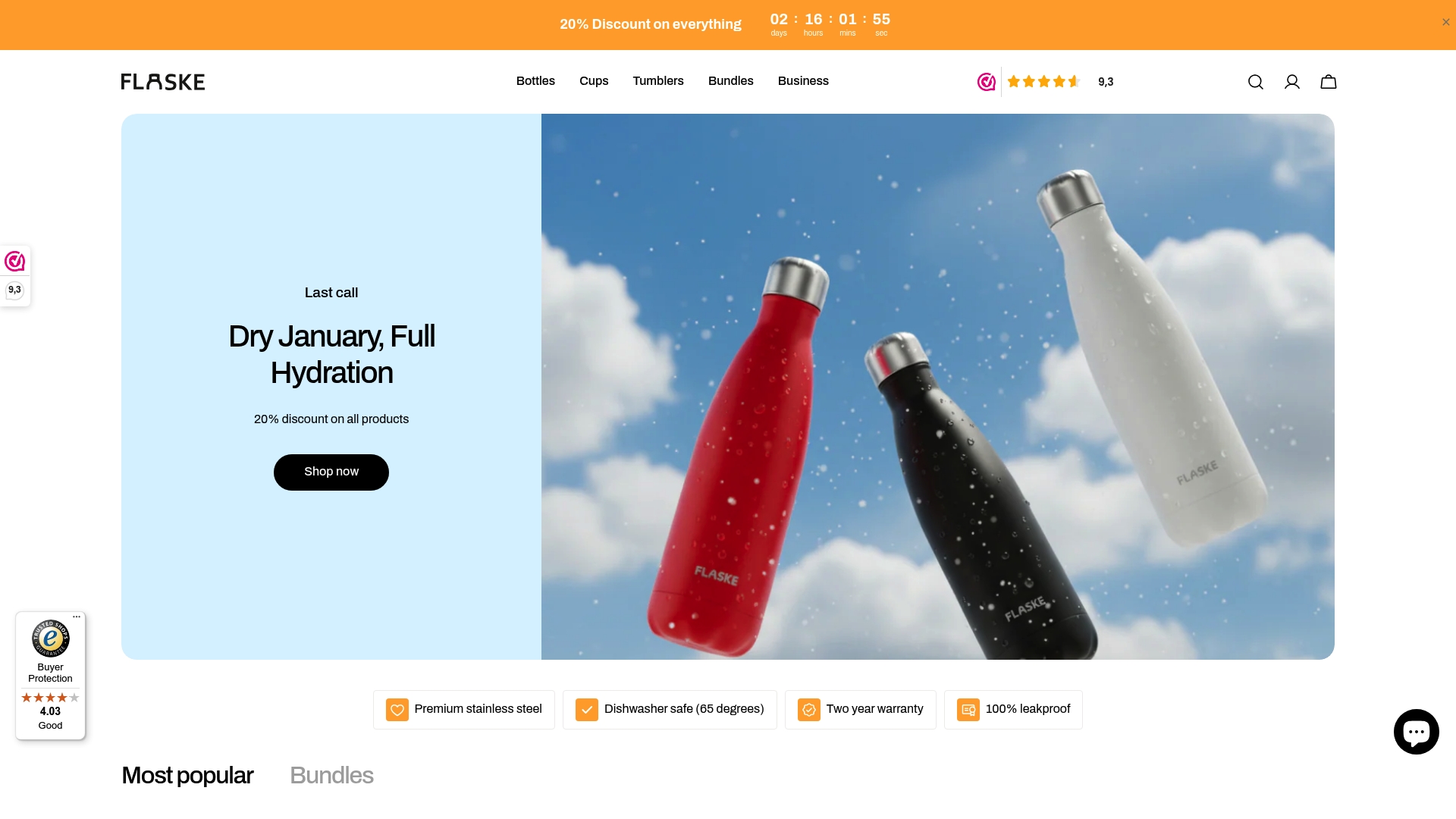
Discover how FLASKE’s reusable stainless steel bottles provide long-lasting, easy-to-maintain alternatives designed specifically for office environments. Take advantage of a proven solution that supports your environmental goals and operational efficiency. Visit FLASKE today to transform your workplace sustainability strategy with personalized, eco-friendly drinkware tailored for your team.
Frequently Asked Questions
What are reusable products, and why are they important for offices?
Reusable products are durable items designed for multiple uses, such as water bottles, coffee mugs, and lunch containers. They are important for offices as they help reduce waste, lower costs in the long run, and contribute to a more sustainable workplace culture.
How do reusable products provide financial benefits for businesses?
Reusable products can lead to cost reductions by decreasing waste management expenses, lowering procurement costs over time, and minimizing the need for single-use products. These savings contribute to a more efficient operational budget.
What factors should be considered when choosing reusable products for the workplace?
When selecting reusable products, consider their durability, ease of cleaning, compliance with hygiene standards, ergonomic design, and overall compatibility with office workflows. These factors ensure that the products enhance both sustainability and productivity.
How do reusable products compare to single-use alternatives in terms of environmental impact?
Reusable products typically have a lower environmental footprint than single-use alternatives. They reduce overall waste generation, lower greenhouse gas emissions, and minimize resource consumption, making them a more sustainable choice for long-term use.