Every HR manager knows that giving a generic item rarely sparks genuine excitement among employees. The shift toward personalized corporate gifting is about more than packaging and names. It is about creating meaningful connections that truly reflect appreciation and recognition. This approach transforms routine gestures into opportunities for building loyalty, deepening brand appreciation, and differentiating your company in the eyes of your global team. Discover how thoughtful personalization can make your gifts truly memorable.
Table of Contents
- What Personalized Corporate Gifting Means Today
- Types and Examples of Personalized Gifts
- How Personalization Enhances Brand Connection
- Best Practices for Implementing Gifting Programs
- Common Pitfalls and How to Avoid Them
Key Takeaways
| Point | Details |
|---|---|
| Shift to Personalization | Corporate gifting has evolved from generic items to thoughtful, personalized gifts that foster meaningful connections. |
| Strategic Importance | Personalization enhances engagement and loyalty, making gifts a tool for reinforcing brand perception and employee appreciation. |
| Consideration of Audience | Tailor gifts to individual preferences, roles, and cultural values to maximize their impact and relevance. |
| Continuous Improvement | Implement tracking systems to evaluate gifting outcomes and refine approaches based on recipient feedback and engagement metrics. |
What Personalized Corporate Gifting Means Today
Personalized corporate gifting has transformed from a checkbox activity into a strategic engagement tool. It’s no longer about giving a generic branded pen to everyone on the list. Modern corporate gifting is about creating meaningful connections that reflect thoughtfulness and genuine appreciation.
Today, personalization means understanding your audience—whether that’s employees, clients, or partners. A personalized gift demonstrates that you’ve invested time and consideration into recognizing someone’s individual preferences, values, or role. This level of attention shifts a gift from transactional to deeply personal.
Why This Shift Matters
Corporate gifting now functions as a relationship-building strategy that goes beyond typical business courtesies. Companies recognize that thoughtful, bespoke gifts create emotional connections that drive loyalty and strengthen professional bonds.
Key elements of modern personalized corporate gifting include:
- Customization: Engraving names, initials, or company logos on gifts
- Alignment with values: Choosing sustainable or ethically sourced options that reflect company principles
- Cultural relevance: Selecting gifts appropriate for diverse teams and global workplaces
- Quality over quantity: Investing in fewer, higher-quality personalized items rather than mass-produced alternatives
- Tangible utility: Gifting items employees will actually use daily
The research shows that personalization significantly improves perceived value by creating emotional connections that translate into brand loyalty. When an employee receives a personalized gift, they don’t just feel appreciated—they’re more likely to champion your brand.
What Makes It Different Now
Five years ago, personalized corporate gifting often meant a monogrammed item. Today, it encompasses sustainability, purposefulness, and genuine relevance. Employees now expect companies to understand their needs and values.
This creates an opportunity for HR managers to strengthen organizational culture. A personalized gift sends a clear message: “You matter to us.”
Companies are moving away from one-size-fits-all approaches. Practical, reusable items like personalized water bottles or coffee cups serve a dual purpose—they’re genuinely useful while keeping your brand visible. Every sip becomes a subtle reminder of company appreciation.
The emotional impact can’t be overstated. When personalization meets sustainability, employees feel that their company cares about both them and the planet. That’s the modern equation.
Here’s a quick comparison of traditional vs. modern corporate gifting approaches:
| Aspect | Traditional Gifting | Modern Personalized Gifting |
|---|---|---|
| Gift Selection | Generic items, minimal thought | Tailored to recipient preferences |
| Recipient Experience | Passive; often ignored | Engaged; feels valued |
| Brand Impact | Low, rarely memorable | High, fosters loyalty |
| Relationship Outcome | Transactional, limited | Relational, strengthens bonds |
Personalized gifts create emotional connections that drive measurable improvements in employee engagement and brand perception.
Pro tip: Start with high-visibility items employees use daily—personalized drinkware, for instance—since these create repeated brand touchpoints while demonstrating that you’ve selected something genuinely useful rather than decorative.
Types and Examples of Personalized Gifts
Personalized corporate gifts span a wide range of categories. The right choice depends on your audience, budget, and company culture. What works for a tech startup may differ from a traditional corporate environment.
The most effective personalized gifts serve a practical purpose. Employees appreciate items they’ll actually use—not things that collect dust on shelves. This is where drinkware, bags, and tech accessories shine.
Wearables and Everyday Items
Personalized drinkware is one of the most popular choices for corporate gifting. Think custom coffee mugs, insulated water bottles, or branded travel cups. These items stay with employees throughout their day, creating repeated brand exposure.

Clothing and accessories also work well. Custom hoodies, branded caps, or engraved leather wallets add a personal touch while remaining functional. The key is selecting items that fit your company’s image and employee preferences.
Tech and Professional Accessories
Popular personalized corporate gifts include tech accessories, such as phone stands, laptop bags, and wireless charging pads. These appeal to modern workforces and provide genuine utility.
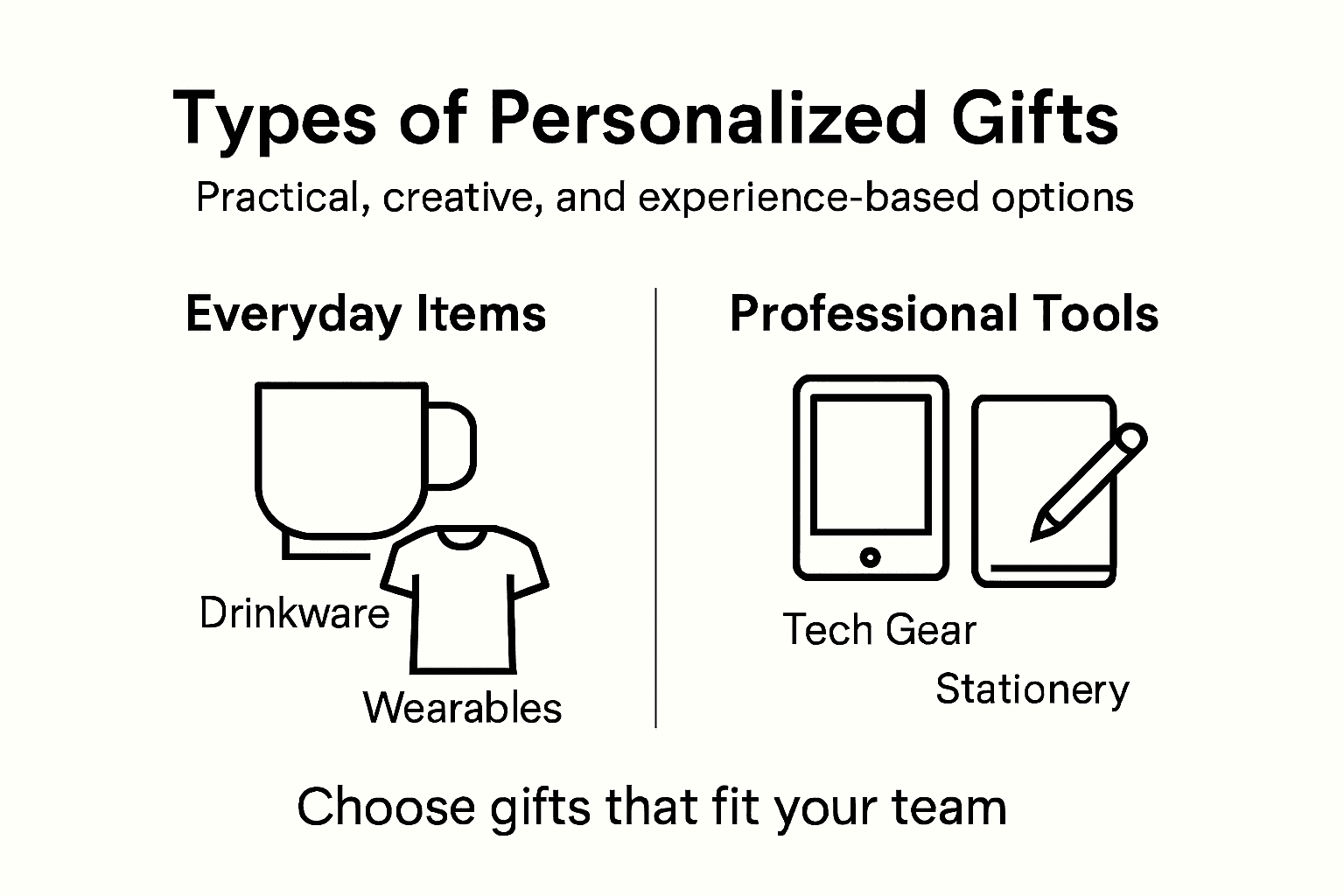
Custom stationery and notebooks resonate with many professionals. Engraved pens, personalized notepads, or monogrammed desk organizers work especially well for client-facing roles. They subtly reinforce professionalism at every meeting.
Experience-Based and Curated Options
Corporate gifting extends beyond physical items to include curated welcome packages and creative experiences. Some companies offer subscription boxes, team experiences, or exclusive events tailored to recipient interests.
Luxury items like engraved leather goods or premium gift boxes elevate the perception of your brand. These work best for high-value clients or senior leadership recognition.
The table below summarizes popular personalized gift categories and their strategic business effects:
| Gift Category | Typical Examples | Business Benefit |
|---|---|---|
| Drinkware & Wearables | Custom mugs, branded hoodies | Daily visibility, practical use |
| Tech Accessories | Custom phone stands, laptop bags | Fits modern workflow, utility |
| Stationery | Engraved pens, notebooks | Supports professionalism, organization |
| Curated Experiences | Subscription boxes, team events | Deepens engagement, memorable |
Matching Gifts to Your Audience
Consider these factors when selecting personalized gifts:
- Employee level: Entry-level staff vs. executives may appreciate different items
- Work style: Remote workers value home-office items; office-based teams prefer desk accessories
- Industry norms: Creative industries welcome bold designs; finance prefers understated elegance
- Sustainability values: Eco-conscious teams appreciate sustainable materials and ethical sourcing
- Practical utility: Items used daily beat novelty gifts every time
The most successful personalized gifts combine utility with thoughtfulness, ensuring recipients view them as genuine appreciation rather than promotional items.
Pro tip: Select drinkware or bags as your primary gifting category since these items offer daily visibility, high utility, and excellent personalization opportunities that demonstrate genuine consideration for how employees work.
How Personalization Enhances Brand Connection
Personalization transforms how employees perceive your company. When someone receives a gift with their name engraved on it, they don’t just see a nice mug—they see recognition. That distinction matters more than you might think.
Personalized gifting enhances perceived relevance and positively impacts attitudes, making it one of the most cost-effective loyalty strategies available. Employees relate personally to gifts that acknowledge their individual identity rather than treating them as generic members of the workforce.
The Psychology Behind Personal Connection
When personalization happens, something shifts psychologically. An employee doesn’t just receive a gift—they experience individual recognition. This activates emotional responses that generic gifts simply cannot trigger.
Personalized items create moments where employees think about your company in a positive context. Every time they use that personalized water bottle or laptop bag, they’re reminded that you invested in something specifically for them. This repeated exposure builds subtle but powerful brand affinity.
Building Loyalty Through Authentic Interaction
Personalized brand experiences deepen relational bonds by creating iterative, tailored interactions that transform engagement into genuine loyalty. The key word here is “authentic.” Employees can sense when personalization feels genuine versus performative.
A gift with a misspelled name or clearly mass-produced with minimal customization actually backfires. Personalization must reflect actual thought and attention to detail. This is where quality matters tremendously.
From Transactional to Relational
Most corporate gifting remains transactional. A company hands out branded items at year-end, and that’s the extent of the gesture. Personalized gifting shifts this dynamic entirely.
When personalization demonstrates that leadership knows and values individual employees, it transforms the relationship. Employees feel seen and appreciated, not just like interchangeable resources. This emotional connection directly impacts retention and engagement metrics.
Consider these relationship-building benefits:
- Increased sense of belonging within the organization
- Enhanced perception of company values alignment
- Stronger emotional investment in company success
- Higher likelihood of recommending the company as employer
- Reduced turnover among recognized employees
- Improved internal advocacy and word-of-mouth promotion
Personalization works because it enables people to relate information to themselves deeply, making the brand message stick emotionally rather than intellectually.
The difference is measurable. Employees who receive thoughtfully personalized gifts show higher engagement scores. They’re more likely to stay longer and speak positively about the company externally.
Pro tip: Personalize gifts based on role or department rather than generic company-wide selections—a remote worker values a personalized home office item differently than an office-based employee, and tailoring to actual work contexts deepens the perceived thoughtfulness.
Best Practices for Implementing Gifting Programs
Successful gifting programs don’t happen by accident. They require strategy, planning, and ongoing refinement. The difference between a program that lands and one that falls flat comes down to execution.
Start with clear objectives. Are you aiming to boost employee retention, strengthen client relationships, or celebrate company milestones? Your goals shape every decision that follows. Without defined outcomes, you’re just buying things.
Set Goals and Define Recipients
Effective corporate gifting programs should start with clear goal-setting around relationship growth, engagement, and ROI. Once you know your objectives, segment recipients into tiers by value and importance.
Not everyone receives the same gift. A long-term client deserves something more premium than a new contact. Executive leadership might appreciate different items than frontline employees. Tiered gifting ensures you’re investing resources strategically.
Personalize Thoughtfully
Research recipient preferences to personalize gifts appropriately, whether through surveys, conversations, or preferences tracked in your CRM system. Generic personalization—just adding names to mass-produced items—doesn’t cut it anymore.
Consider individual roles, work environments, and values. A manager working from home might value a personalized desk organizer. A field-based employee might prefer a branded insulated water bottle. Match the gift to the person’s actual life.
Align With Company Values
Your gifts should reflect what your company stands for. If sustainability matters to your brand, choose eco-friendly options. If wellness is a priority, consider health-focused gifts. Misalignment sends a confusing message.
Personalized drinkware made from sustainable materials, for example, signals that your company values both individuality and environmental responsibility. Every gift choice communicates something about your organization.
Timing and Presentation Matter
Deliver gifts strategically around meaningful events—anniversaries, project completions, promotions, or company milestones. Surprise timing can feel impactful, but planned gifting tied to actual occasions resonates more deeply.
Presentation quality elevates perception. Include a personal note. Use elegant packaging. These small touches transform a gift from transactional to memorable.
Track and Optimize
Implement a tracking system using CRM tools to monitor gifting outcomes. Which gifts generate positive feedback? What timing works best? Are engagement scores improving?
Key metrics to monitor:
- Employee engagement and retention rates
- Client satisfaction and repeat business
- Social media mentions and word-of-mouth
- Survey feedback on gift relevance
- Budget spend versus outcomes
Robust tracking of gifting outcomes ensures ongoing program optimization and helps justify continued investment in your strategy.
Pro tip: Use reusable product promotions to build long-term brand loyalty by selecting items employees use daily—this extends your gifting ROI far beyond the initial moment of giving.
Common Pitfalls and How to Avoid Them
Gifting programs often fail not because of bad intentions, but because of preventable mistakes. Understanding what goes wrong helps you build a program that actually works. The gap between success and failure is usually straightforward to fix.
Many companies rush into gifting without thinking through consequences. A well-intentioned gift delivered at the wrong moment can backfire. Generic gifts signal indifference rather than appreciation. These aren’t complex problems—they’re just oversights.
The Personalization Problem
Common corporate gifting pitfalls include lack of personalization and sending generic or irrelevant gifts, which can lead to disengagement. A branded water bottle with everyone’s name printed identically isn’t personalization—it’s mass production.
True personalization requires actual effort. Research what each recipient values. Consider their role, preferences, and lifestyle. A one-size-fits-all approach wastes budget and undermines engagement.
Timing Mistakes
Deliver gifts during the wrong moment and you’ll create awkwardness instead of appreciation. Gifting during layoffs, budget cuts, or organizational turmoil sends a tone-deaf message. Sensitivity to context matters enormously.
Avoiding poor timing means planning around company rhythms. Align gifts with celebrations, milestones, or positive events. Strategic timing amplifies impact.
Cultural and Ethical Blind Spots
Frequently made mistakes involve neglecting cultural differences and failing to comply with legal or ethical standards. What’s appropriate in one culture may offend in another. Some clients or employees have religious or personal restrictions on gifts.
Research your audience. Understand dietary restrictions, cultural celebrations, and professional norms. A seemingly thoughtful gift becomes problematic when it ignores these details.
Budget and Logistics Failures
Poor budget management leads to either overspending on low-impact items or underspending and disappointing recipients. Logistical failures—wrong addresses, missed delivery windows, damaged items—undermine the entire gesture.
Common mistakes to prevent:
- Failing to plan budgets by recipient tier
- Choosing unreliable shipping providers
- Not tracking gift arrival or confirmation
- Ignoring storage and fulfillment challenges
- Skipping quality checks before sending
Missing Follow-Up
You send a gift and never follow up. This leaves impact unmeasured and relationships unstrengthened. Without tracking, you can’t refine your strategy. You’re essentially flying blind.
Monitor how recipients respond. Gather feedback. Did the gift resonate? Was timing right? Use this intelligence to improve next time.
The difference between a forgettable gifting program and an impactful one often comes down to avoiding preventable mistakes through thoughtful planning and cultural awareness.
Pro tip: Test your gifting approach with a small group before scaling—this allows you to catch cultural misalignments, quality issues, and timing problems before they affect your entire recipient base.
Elevate Your Corporate Gifting with Lasting Impact
The challenge of creating personalized corporate gifts that truly engage employees and clients is clear. You want thoughtful, sustainable items that convey appreciation and build emotional connections. The article highlights how customization, practical utility, and alignment with company values are essential for turning gifting into a strategic relationship builder rather than a routine task. It also emphasizes the power of personalized drinkware to create daily brand visibility and emotional resonance.
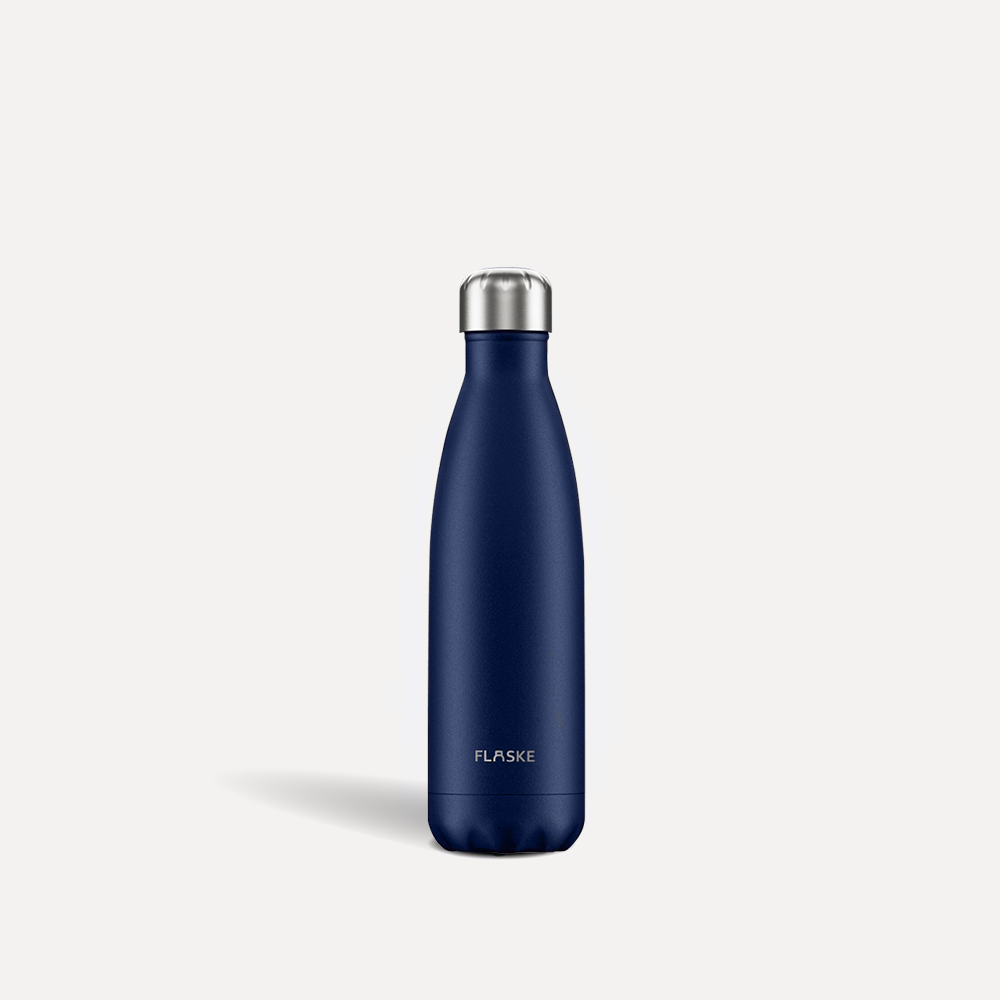
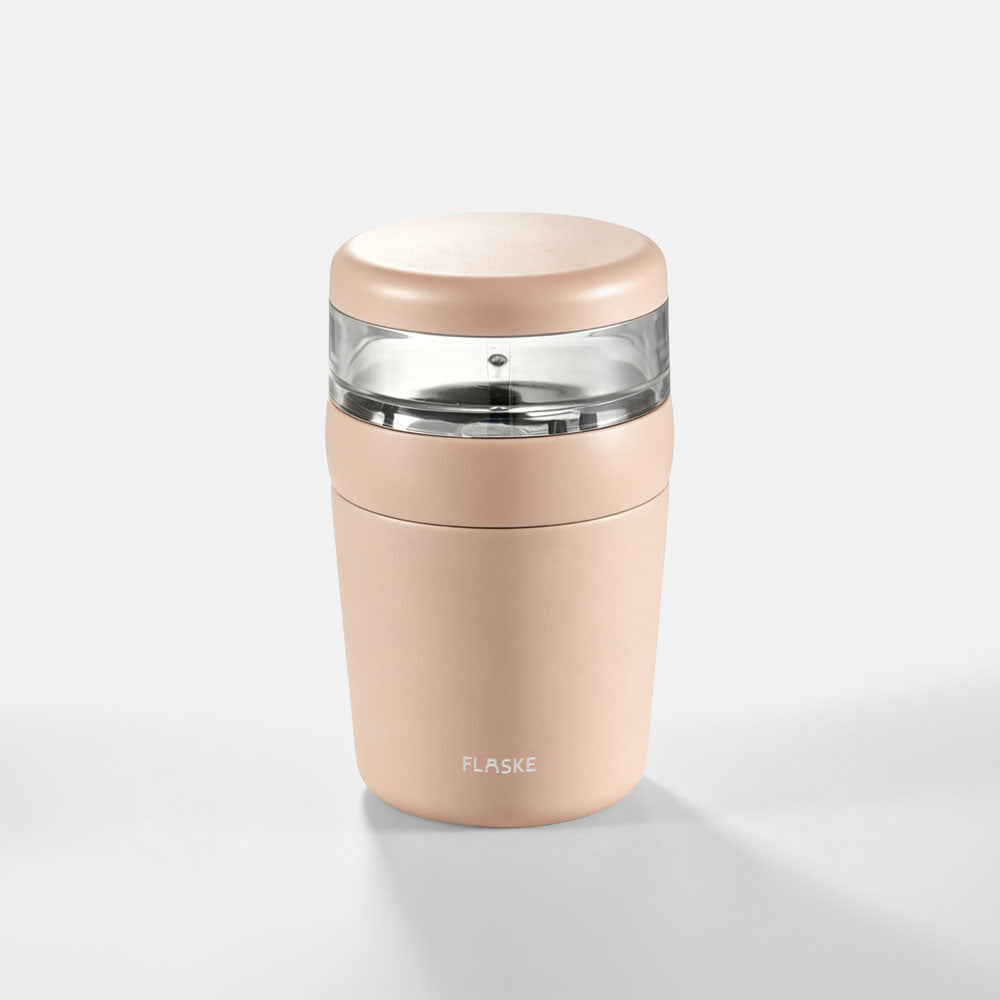
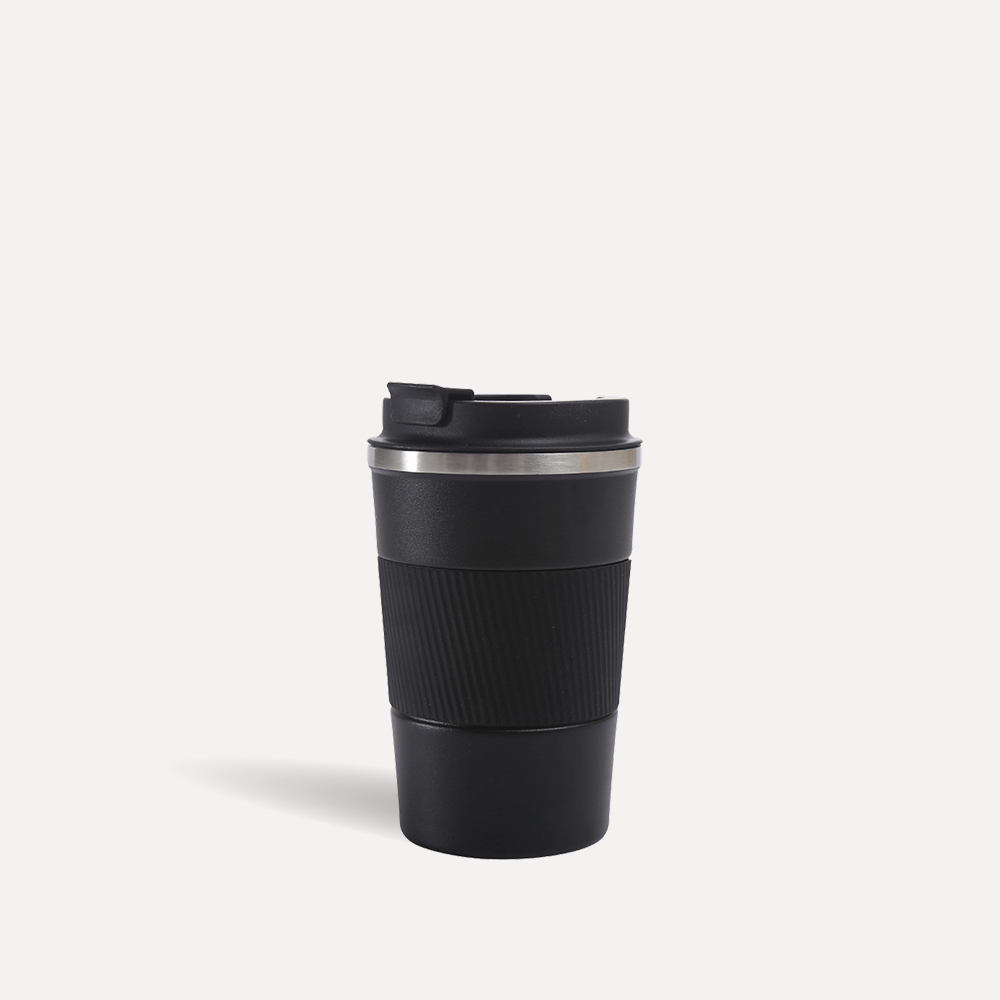
At FLASKE, we understand these pain points and goals. Offering durable stainless steel drink bottles and coffee cups that can be personalized for your team or clients, we provide high-quality, eco-friendly solutions that match your company’s commitment to sustainability and authenticity. Our products combine useful design with thoughtful personalization so every gift feels genuine and valuable. Explore how you can avoid common gifting mistakes and make every gesture memorable with FLASKE personalized corporate drinkware.
Transform your corporate gifting strategy today. Start by choosing sustainable, personalized drinkware from FLASKE that your employees and clients will use daily. Show them you care by delivering gifts that embody your values and deepen brand loyalty. Visit FLASKE now to design your perfect corporate gifts and make a lasting impression.
Frequently Asked Questions
What is personalized corporate gifting?
Personalized corporate gifting refers to the practice of giving tailored gifts to employees, clients, or partners that reflect individual preferences and values, moving away from generic items to create meaningful connections.
How can personalization enhance employee engagement?
Personalization enhances employee engagement by making individuals feel recognized and valued, leading to stronger emotional connections with the company and increased loyalty.
What types of gifts are most effective for corporate gifting?
The most effective personalized corporate gifts include practical items like drinkware, tech accessories, and quality stationery that employees will use regularly, ensuring daily visibility and utility.
Why is sustainability important in corporate gifting?
Sustainability is important in corporate gifting as it aligns with modern values, showing that the company cares about the environment and the preferences of eco-conscious employees, fostering a positive brand perception.