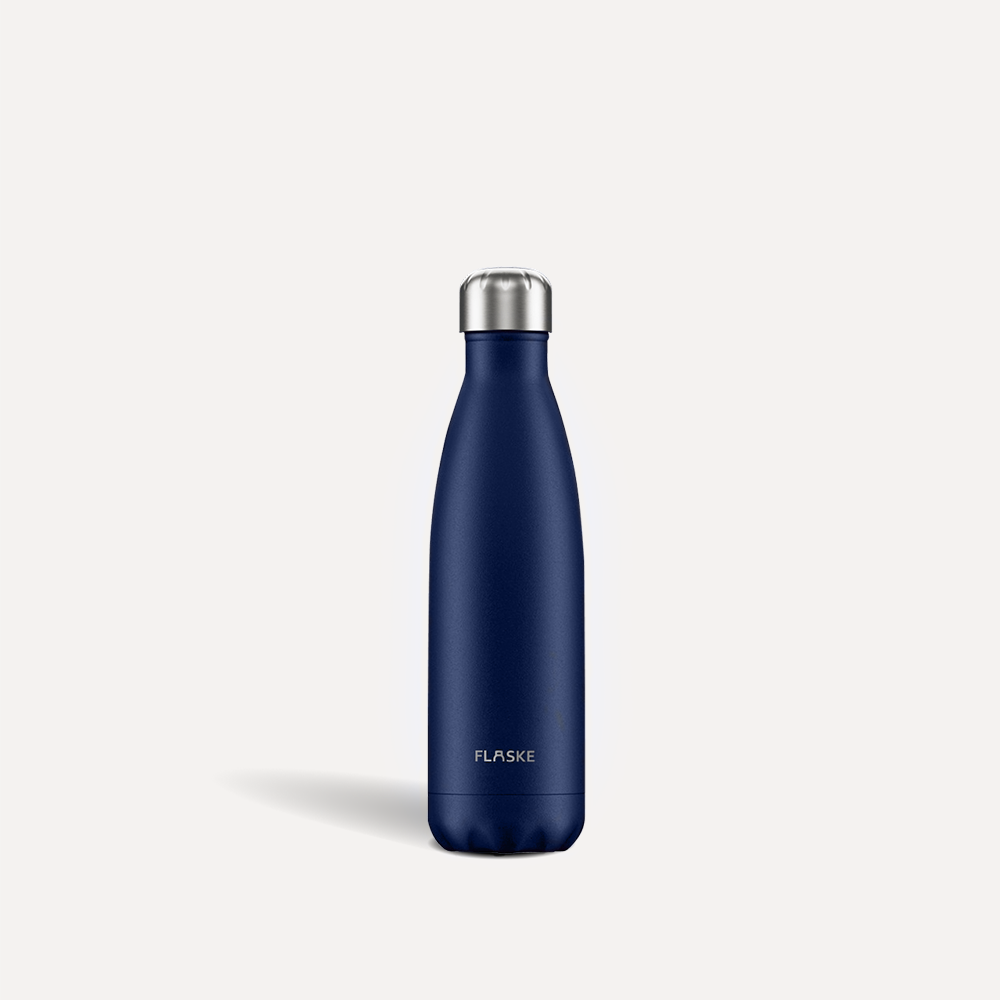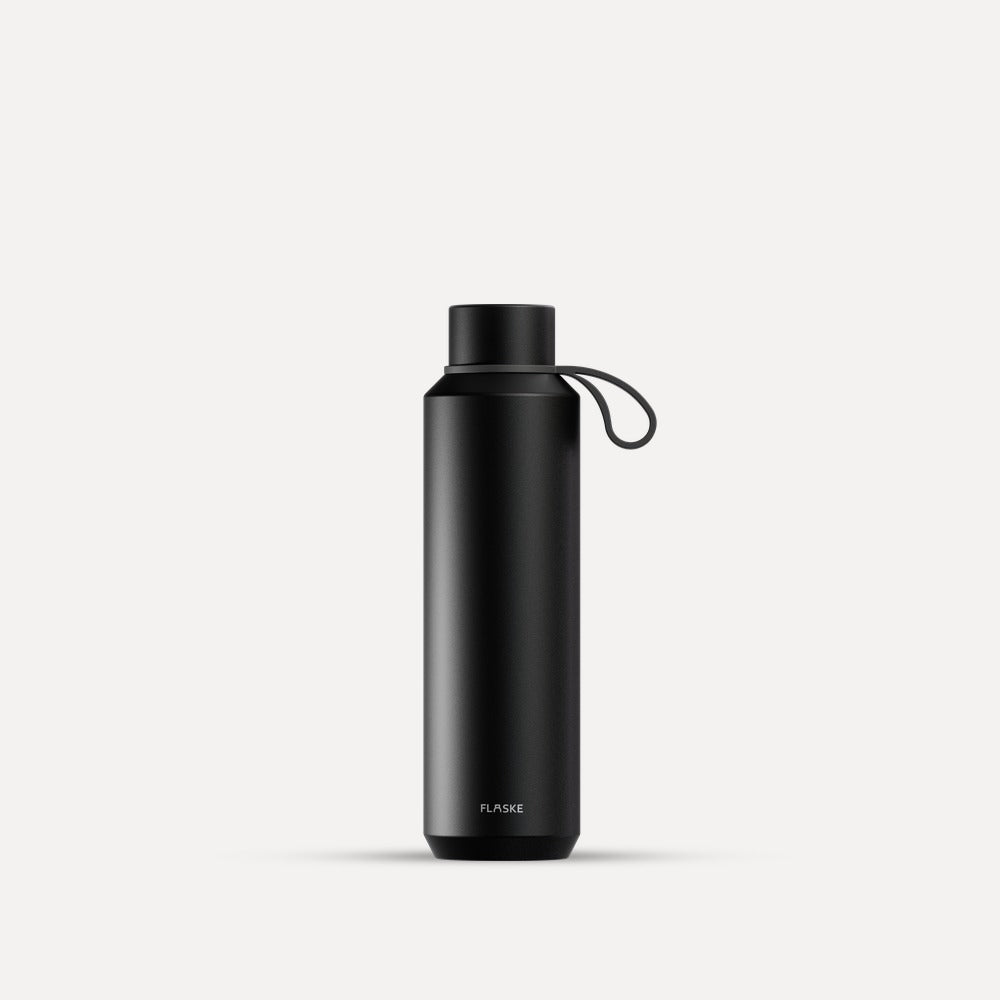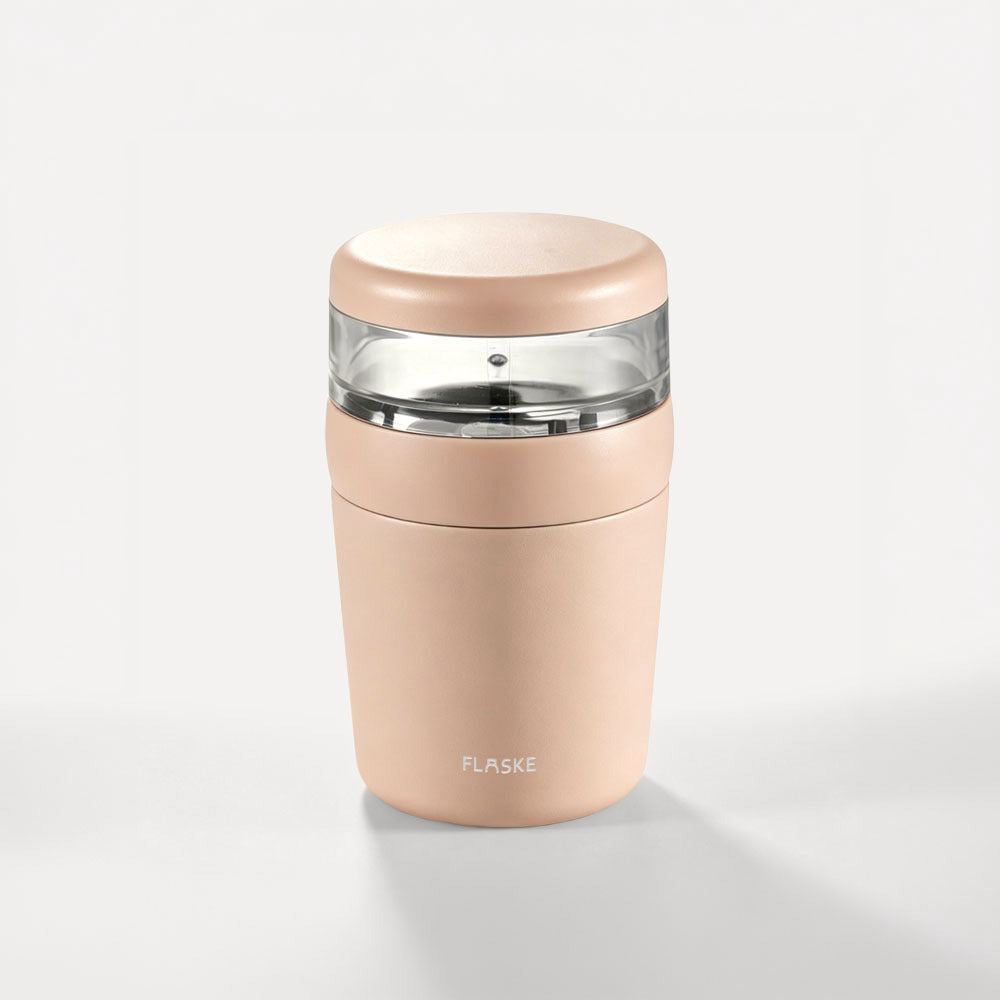

Making an office more sustainable does not start with a large-scale renovation, but with the choices you make every day. For HR managers and office managers who want to contribute to a healthier planet, choosing environmentally friendly design is more than a trend. Think, for example, of offering your staff reusable water bottles and coffee cups, which puts the circular principles from Dutch regulations straight into practice. That way you make sustainability visible and tangible in the workplace.
Table of contents
- The essence of environmentally friendly design
- Main forms: circular design and ecodesign
- How environmentally friendly design is applied
- Legal requirements and certification marks in the Netherlands
- Common misconceptions and preventing greenwashing
Key points
| Point | Details |
|---|---|
| Environmentally friendly design is essential | Office design should focus on energy efficiency, sustainable use of materials and adaptability for a longer lifespan. |
| Collaboration is crucial | Architects, engineers and sustainability experts need to work together from the start for the best solutions. |
| Legal requirements must be met | From 2026, stricter environmental performance requirements apply to offices, and companies must follow them. |
| Avoid greenwashing | Be transparent about sustainability claims and always ask for concrete data to back them up. |
The essence of environmentally friendly design
Environmentally friendly design is not just a trend. It is about designing buildings and objects so that they do less harm to the environment, without compromising on quality or functionality. For office environments this means that, as early as the design phase, you think about how to save energy, choose sustainable materials and make sure everything lasts a long time. Designing sustainable buildings involves much more than just choosing green paint. It is about looking at all parts of the building process in relation to each other: from the design itself right through to demolition at the end of the building's life.
To design in an environmentally friendly way, we need to distinguish three core pillars. The first is minimising energy use, which means being as smart as possible with heating, cooling and lighting. For offices this means, for example, a compact design, optimal orientation to the sun and making maximum use of natural sunlight. That makes a huge difference to your energy bill and contributes directly to a better working climate. The second pillar is sustainable use of materials. This is about choosing materials that are biobased (derived from nature and renewable) or circular (reusable and recyclable). The third pillar is flexibility and a long lifespan. A well-designed office is easy to adapt to future needs, so you do not have to keep demolishing and rebuilding.
What makes this concrete in your day-to-day office environment? Collaboration between different disciplines is crucial. Architects, engineers and sustainability experts need to work together from the very start to combine technical solutions and aesthetics. This results in offices that are not only better for the environment, but also nicer to work in. Think of an office with lots of natural light (less artificial lighting needed), good insulation (less heating needed) and demountable walls (easy to adapt). The small things count too: choices about which water bottles and coffee cups you offer your employees are part of this philosophy. When you use reusable bottles instead of disposable items, you follow the same principles as the architects who designed the building.
Practical tip When fitting out your office: start with an energy audit to see where you waste the most energy, work with your architect on optimising orientation to the sun and natural light, and switch to reusable tableware and water bottles so that your design philosophy also shows up in daily practice.
Main forms: circular design and ecodesign
When we talk about environmentally friendly design, you soon come across two terms: circular design and ecodesign. They may sound the same, but they approach the problem from different angles. Circular design focuses on creating a closed loop in which materials are used again and again. Ecodesign, on the other hand, focuses on limiting environmental impact over the entire life cycle of a product. For office environments this means that the two approaches together deliver real, measurable improvement. Circular design minimises the use of raw materials and CO2 emissions by making conscious choices about which materials you use and how you reuse them at the end of their life.

Circular design works with a number of concrete strategies that you can apply in any office. First, it is about preventing material use: less material means less waste. Second, designing for maintenance is crucial. Imagine your office furniture being designed so that parts can easily be replaced instead of throwing away the whole piece. Third, detachability matters: buildings and furniture should be designed so that materials can easily be taken apart for reuse at the end of their life. Fourth, you can focus on reusing existing building components and using secondary raw materials. This means, for example, that you put old office partition walls back into use instead of buying new ones. This approach calls for collaboration: architects, buyers and facility management staff need to work together from the very start.
Ecodesign is broader and looks at the entire life cycle of something. For water bottles and coffee cups this means you look not only at the moment of purchase, but also at production, transport, use and waste. A reusable stainless steel bottle seems more expensive to buy, but because it lasts for many years and you do not have to keep buying new ones, it ultimately saves money and material. Ecodesign requires choices in the design concept with attention to reuse and material reduction, which means that as an office manager you need to start thinking at the purchasing stage: which bottles last a long time, can they be repaired, and can they be fully recycled at the end? This kind of thinking not only limits your environmental footprint, it also increases your supplier transparency and gives you a real grip on sustainability.
When you fit out your office, the two approaches overlap. An office with circular materials (recycled tropical hardwood, recycled metals) that are also designed according to ecodesign principles (energy-efficient, adaptable, with a long lifespan) is ideal. The same goes for the small things: the water bottles and coffee cups you offer your employees can just as well be circular and eco-designed. Best practice is to apply both approaches: choose zero-waste alternatives that are sustainable from raw material to end of life.
Here is an overview of the main differences and similarities between circular design and ecodesign for offices:
| Aspect | Circular design | Ecodesign |
|---|---|---|
| Focus | Closed material loop | Limiting environmental impact over the whole cycle |
| Practical example | Reusing partition walls | Choosing energy-efficient appliances |
| Main benefit | Less waste and depletion | Lower CO2 emissions and costs |
| Challenge | Requires collaboration between purchasing and architect | Emphasis on thorough material analysis |
Practical advice Start with a materials audit of your office: which items break and get thrown away, and which could last much longer with simple repairs. Then replace old disposable items step by step with circular and ecodesign alternatives, starting with what is used most.
How environmentally friendly design is applied
Environmentally friendly design is not something that only happens in architects' drawings. It takes place in your office, every day, and determines how your employees feel and how your company performs. In practice this means that as an HR manager or office manager you have to actively make choices at different levels. You are dealing with regulations that keep getting stricter. From 1 July 2026, the environmental performance requirements for office buildings will be tightened by 15 per cent, which means your designers and builders may set tougher requirements for the use of materials and for installations. This is not something you can put off. Whether your office is owned by your company or rented, you have influence over the choices that are made.

In practical terms, applying environmentally friendly design involves several layers. First, it is about energy performance. This means your office is insulated as well as possible, heating and cooling work efficiently, and you have plenty of natural light. Second, the CO2 emissions of your business processes matter. How your office is heated, how your employees travel to work, and even what they eat in the staff restaurant. This is where it becomes concrete for you as an office manager. Third, it is about what you offer your employees. You can choose sustainable services, such as catering that sources locally, but you can also simply start with water bottles and coffee cups. Making offices more sustainable requires collaboration between tenant, owner and all other stakeholders who influence what happens in the building.
Application starts with carrying out an audit. Look at your current office: where does the energy go, which materials have been used, and what can you replace straight away? This does not have to be expensive. Many offices start with simple steps: better window insulation, LED lighting and installing motion sensors so that lights only come on when needed. After that you can look at the installations: replacing gas boilers with heat pumps, installing solar panels, or connecting to district heating if that is available. At the same time you can involve employees by informing them about sustainable choices and showing them what sustainability means. If you offer reusable water bottles instead of disposable plastic bottles, if you have good bike racks so people can easily cycle to the office, if you have a carpool programme, then employees see that the office is serious about it.
The best offices do this step by step, not all at once. Start with what has a direct impact: lighting, insulation and eliminating disposable items. After that you can look at larger renovations and installations. Use employees as ambassadors for sustainability. Have them drink water from reusable bottles, because that not only helps the environment, it also helps people drink more water and be healthier. Small things like these have a cumulative effect and give your office sustainable DNA.
Practical advice Start today with a simple check: ask yourself which three things cause the most waste or energy consumption in your office, and replace those first with sustainable alternatives. This gives you momentum and shows that becoming more sustainable is achievable.
Legal requirements and certification marks in the Netherlands
As an office manager or HR manager in the Netherlands, environmentally friendly design is not only an ethical choice for you, but also a legal obligation. The Dutch government has committed strongly to making offices more sustainable, and companies are noticing this more and more. This is not friendly advice, these are laws you have to comply with. That can cause quite some stress, but it actually makes everything easier: you know exactly what the minimum standard is and what you have to stick to. From 1 July 2026, stricter environmental performance requirements apply to office buildings under the Dutch buildings decree (Besluit bouwwerken leefomgeving). This means that new or renovated offices have to meet much stricter standards. The requirements focus on the total environmental burden of all materials and construction methods used. This is not something you can ignore or put off until next summer.
Alongside these general requirements there is also a specific requirement that your office is probably already dealing with. The energy label C obligation has applied to office buildings larger than 100 square metres since 1 January 2023. This means your office must have at least energy label C to be allowed to be used as an office. Municipalities monitor this, so it really is something that gets checked. The energy label measures how efficiently the building uses energy and encourages companies to implement energy-saving measures. If your office scores lower, you have to take measures. This can range from replacing outdated installations to insulating windows better. The upside: these are generally also cost savings in the long run. Lower energy consumption means lower bills.
Besides these official legal requirements, there are also various certification marks and certificates your office can obtain. Think of BREEAM, LEED, or Dutch variants such as NOM or Duurzaam Gebouwd. All of these actually go beyond the minimum legal requirements and show that your office really goes the extra mile. This can be valuable for your employees and for your brand. It signals that your company is serious about sustainability. But note: these certificates do require investment in documentation, checks and sometimes re-inspections too. Many companies start by meeting the minimum legal requirements first and then look at voluntary certification.
Below is a handy overview of certification marks for environmentally friendly offices and what they mean in the Netherlands:
| Certification mark/certificate | What does it mean? | Example benefit |
|---|---|---|
| BREEAM | Broad sustainability score for the building | Higher market value for the office |
| LEED | International sustainability standard | Recognition for green innovations |
| Energy label C | Legal minimum requirement for energy | Allowed to be used as an office |
| NOM (Nul-op-de-Meter, zero on the meter) | Energy-neutral office | No energy costs on an annual basis |
For you as an office manager, it is wise to check today whether your office meets all legal requirements. Ask yourself: do we have energy label C or higher? Do we know when our installations are due for replacement? Are we prepared for the new requirements from 1 July 2026? If your answer is no, it is time to take action now. You can do this by carrying out an energy audit or hiring a sustainability expert. This may feel like extra work, but it is really the difference between acting proactively now and having to react later under time pressure.
Practical tip Download your office's energy label today and check that it is at least C. Make a schedule of all installations that are due for replacement soon, and plan these replacements so that they meet the future requirements.
Common misconceptions and preventing greenwashing
Greenwashing. The word alone hurts. It is when companies present themselves as much greener than they really are, with nice claims and photos of nature, while nothing really changes behind the scenes. And it happens everywhere. You see it in offices where a few plants are put in the corner and suddenly everyone is talking about the green office. You see it with products too: a bottle in a green colour with a few leaves on the label, and you think it is sustainable. But is it really? Greenwashing means that companies make misleading sustainability claims without objective substantiation. This is not only unfair to consumers and employees, it also slows down real environmental improvements because attention is diverted to sham solutions. The damage? Enormous. Consumers get confused, genuinely sustainable companies get less recognition, and trust in sustainability erodes.
The EU has now started tackling greenwashing. From 2026, companies must substantiate sustainability claims with clear, objective and verifiable information under new directives. This is a game changer. It means that as an office or company you will soon no longer be able to simply say that you are sustainable. You have to prove it. With data, certificates and transparent reporting. This ensures that real effort is rewarded and fake effort is penalised. For you as an HR manager or office manager, this is actually good news. It gives you something to hold on to. You know what is real and what is not.
What are common misconceptions about environmentally friendly design? First: it costs a lot more money. Not true. Many sustainable choices, such as LED lighting or better insulation, actually save money in the long run. Second: you have to do everything at once. Untrue. You start small, step by step, and build from there. Third: only big changes count. This is not true either. Small things such as replacing plastic water bottles with reusable stainless steel bottles have a cumulative effect and signal that the office is serious about it. Fourth: greenwashing is hard to recognise. Not really. If a claim is not backed by concrete data, logs or certificates, it is suspect.
How do you recognise greenwashing in your own office or among suppliers? Always ask for concrete data. Do not say that something is sustainable, but show how much CO2 you have saved, which certificates you have obtained, or how you have reduced waste. Check whether suppliers have external certification from independent organisations. Look critically at marketing claims, especially when they are not backed by facts. And communicate honestly: your office is not perfect, but you are working on it. This is far more credible than pretending to be greener than you are. Your employees sense this too. They know when you are genuinely working on sustainability and when it is theatre.
Practical tip Make a checklist today of all the sustainability claims your office or suppliers make, and note next to each one which data or certificates support it. Request whatever is missing straight away, and make sure everything is transparent and verifiable.
Sustainable office choices start with smart water bottles
Environmentally friendly design calls for choices that go beyond energy and materials in construction alone. The article highlights the importance of reusable and circular solutions in everyday office practice. This is exactly where FLASKE plays a crucial role. Our sustainable, personalised stainless steel water bottles and coffee cups help your organisation to reduce waste, ban disposable plastic bottles and encourage employees to consume more consciously. This fits seamlessly with the principles of circular design and ecodesign described in the article.
Do you want to give your office a real sustainability boost? Go for smart, environmentally friendly alternatives today and strengthen the sustainable identity of your working environment. Discover how easy it is to start offering your team a responsible way to enjoy their drinks with FLASKE at https://flaske.com. Make the switch and join the companies that make sustainability concrete by choosing reusable water bottles. Take the step with us towards a future-proof office where every sip counts.
Frequently asked questions
What does environmentally friendly design mean for offices?
Environmentally friendly design for offices means creating a working environment that minimises the impact on the environment by using sustainable materials, promoting energy efficiency and ensuring flexibility in the design.
Why is energy efficiency important in environmentally friendly design?
Energy efficiency reduces energy costs and combats CO2 emissions. By making optimal use of natural sources such as sunlight, offices can be less dependent on artificial lighting and heating.
What are circular design and ecodesign, and how do they differ?
Circular design focuses on reusing materials in a closed loop, while ecodesign minimises the environmental impact over the entire life cycle of a product. Both are essential for a sustainable office environment.
What legal requirements are there for environmentally friendly design in offices?
In the Netherlands, legislative changes apply such as stricter environmental performance requirements and the energy label C obligation for offices larger than 100 square metres. These requirements help companies to work more sustainably.