
Standing out in a market full of sustainable products takes more than a green label. For marketing managers in Europe who are aiming for genuine customer loyalty, it all comes down to effective branding in merchandise. Personalising sustainable items such as water bottles and bags creates an emotional connection with the customer, so loyalty grows and your brand is not forgotten. Curious how smart personalisation and brand strategy make the difference within a green image?
Table of contents
- What makes branding in merchandise unique
- Variations of personalised sustainable merchandise
- How branding strengthens customer loyalty
- Greenwashing, pitfalls and success factors
- Effective strategies for sustainable brand impact
Key insights
| Point | Details |
|---|---|
| Effective branding | Branding goes beyond a logo; it creates a unique customer experience that promotes differentiation and loyalty. |
| Sustainability and authenticity | Choose sustainable materials and honest communication to avoid greenwashing and build customer trust. |
| Emotional connection | Personalised merchandise strengthens the bond between customer and brand, which leads to higher loyalty and repeat purchases. |
| Strategic integration | Sustainable brand impact requires a holistic approach, in which every aspect of your product and communication is aligned with sustainability. |
What makes branding in merchandise unique
Branding in merchandise stands out because it is much more than just sticking a logo on a product. It is about creating a complete sensory and emotional experience that customers choose again and again.
If your brand does not visibly stand out, your product melts away among hundreds of other options. Effective branding in merchandise combines three critical elements: unique design, visual appeal and a customer experience that differs from the competition.
The importance of branding in merchandise goes beyond traditional marketing. Branding delivers visibility, credibility and emotional connection that ordinary promotional items simply cannot achieve. This creates differentiation, loyalty and engagement through a clear brand identity.
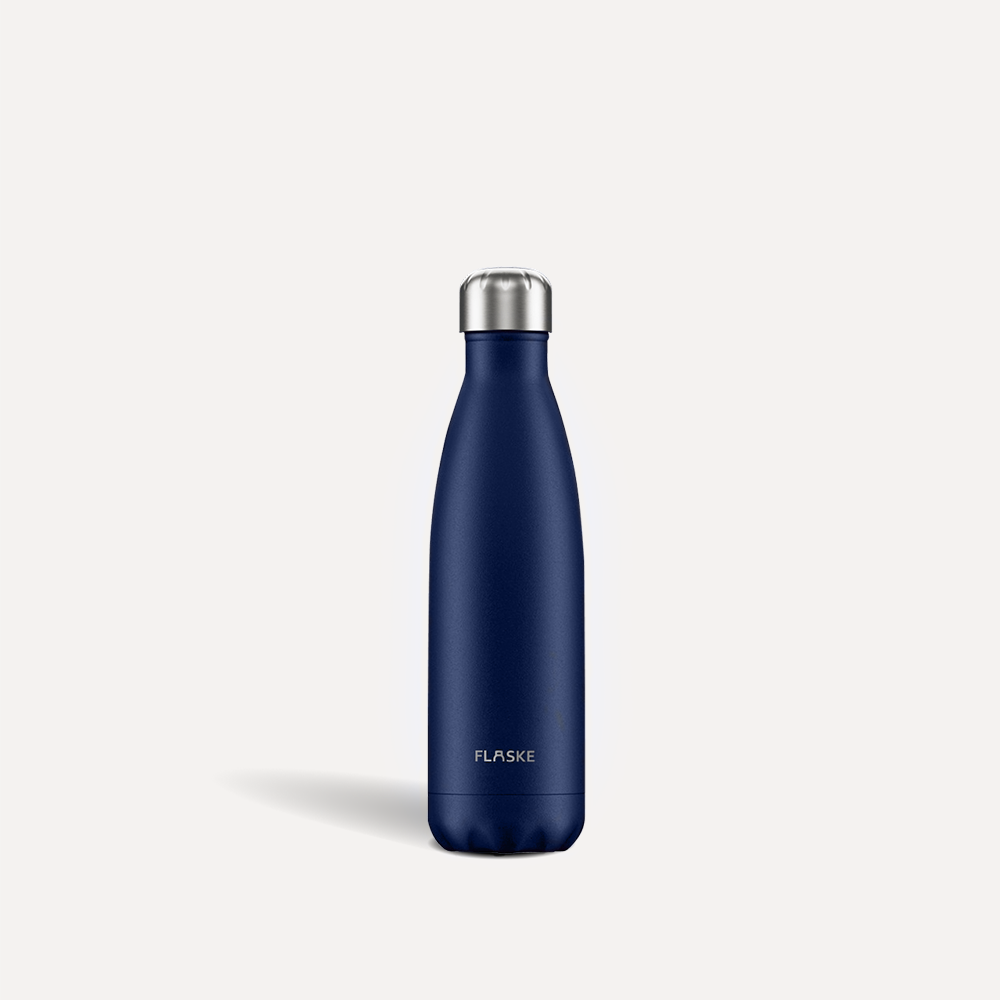
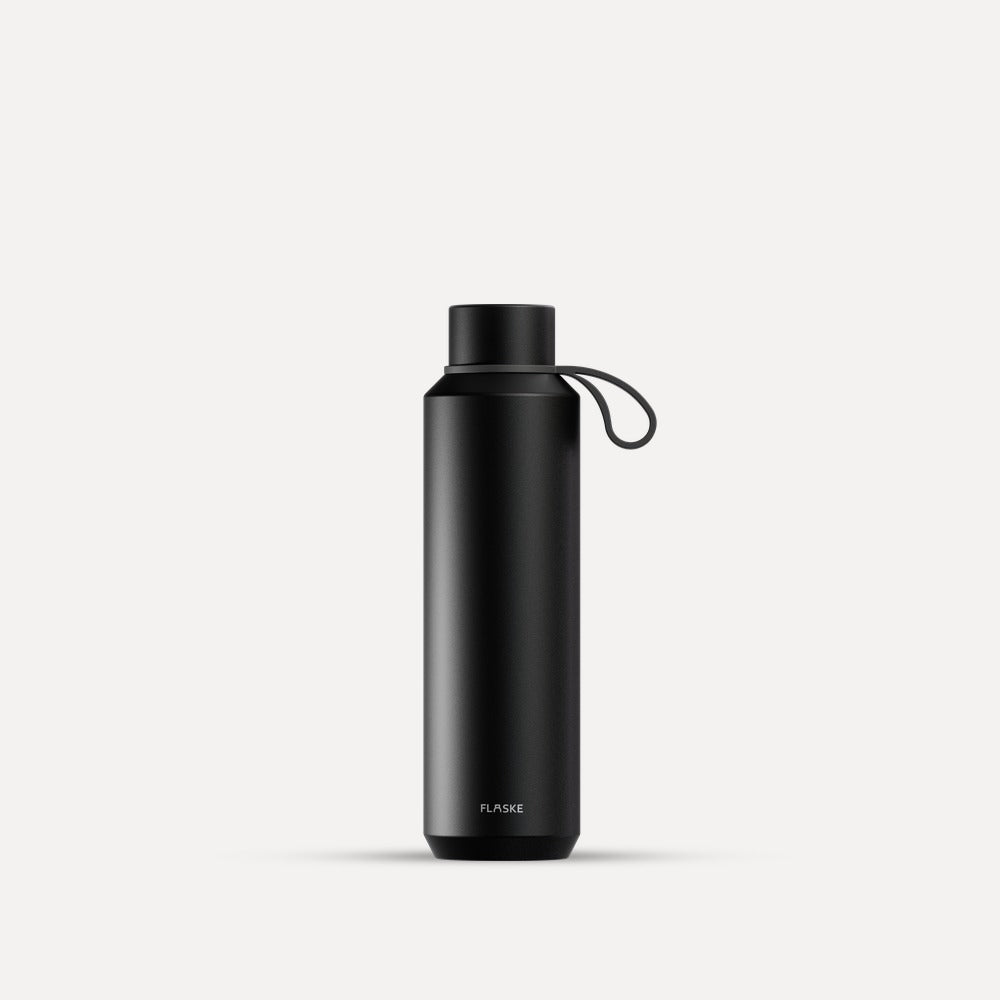
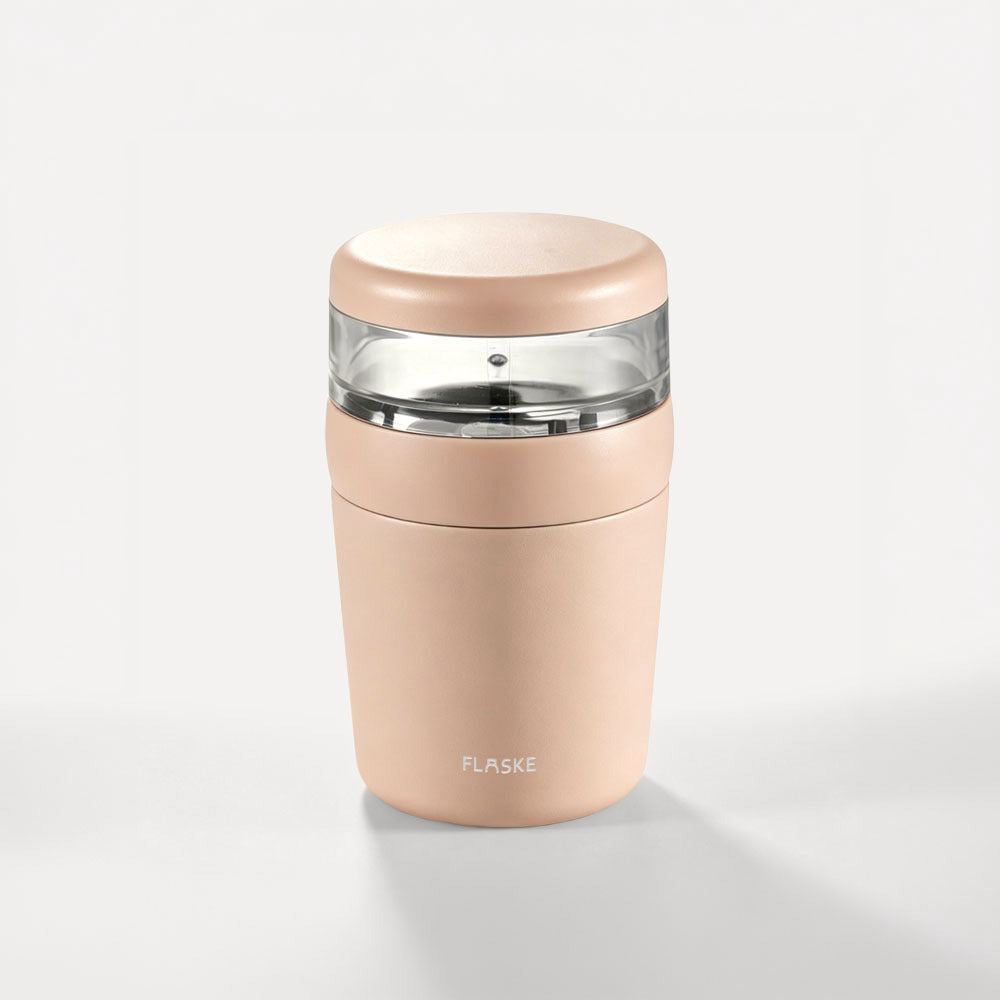
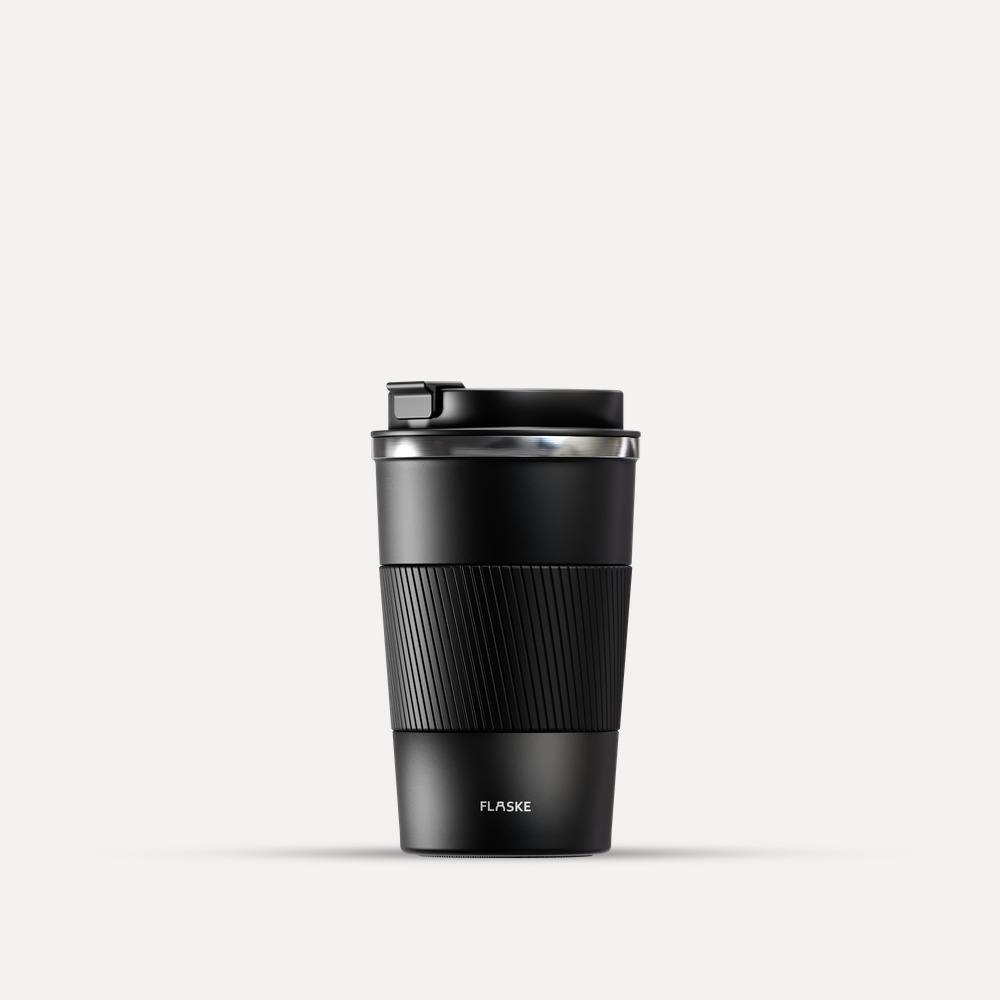
For sustainable water bottles and coffee cups such as those from FLASKE, this means in concrete terms:
- Visual recognition: Your product has to be recognised immediately, even without packaging
- Tangible quality: Feeling the stainless steel in your hands tells a story about sustainability
- Personalisation you can feel: The engraving or print has to fit your brand, not work against it
- Consistent use: Customers take your bottle with them every day, so the branding works 365 days a year
Visual merchandising influences customer perceptions, purchasing behaviour and brand image much more than many companies realise. This applies twice over to merchandise that customers visibly use.
The unique power of merchandise branding lies in repetition. A civil servant who drinks coffee from your branded cup every day? They see your brand 250 times a year. Compare that with a laptop sticker, which someone sees 5 times at most.
With sustainable products, branding works even more strongly. Customers feel like conscious participants in your mission when they use a stainless steel bottle from FLASKE. That emotional connection between personal values and an everyday product is where loyalty really begins.
This is especially true for B2B merchandise such as corporate gifts: branding makes the difference between a generic gadget and a lasting symbol of your company culture. Personalised corporate gifts work much better for loyalty when the brand is clearly visible and meaningful.
Professional advice Choose your colour palette and typography for merchandise carefully: these elements determine whether customers take your product with them every day or leave it in a cupboard.
Variations of personalised sustainable merchandise
Personalised sustainable merchandise comes in many forms, each with its own benefits for your brand and target group. It is not only about what you can personalise, but also about how you do it without undermining the environmental values.
Personalisation in sustainable production focuses on consumer-centred products that fulfil personal preferences while safeguarding environmental sustainability. This creates satisfaction and supports sustainable consumption behaviour by combining eco-friendly materials and processes with customisation technologies.
The most effective options for B2B branding are:
- Stainless steel water bottles: Durable, reusable and perfect for daily use, with engraving or sublimation
- Coffee cups made of certified materials: Ideal for the office and on the go, with full personalisation possible
- Cotton bags made of organic fabric: A larger surface for branding and long-lasting visibility
- Biodegradable pens: For smaller budgets, yet still with a professional look
The key to successful personalisation is choosing verified sustainable materials that minimise the product life cycle without sacrificing the customisation options.
For marketing managers in Europe the rule is: select merchandise that matches your brand values. A company focused on saving water logically chooses reusable water bottles. An office with a focus on the circular economy works better with organic cotton products.
The personalisation itself makes the difference. Engraving in the material lasts longer than labels, which fits better with sustainability. Subtle branding feels premium, while fully printed products work for mass reach.
Personalised water bottles offer an extra advantage: they are functional, so employees really use them. This leads to repeated exposure to your brand every working day.
Also consider the composition of your merchandise mix. Combine one premium item (the personalised bottle) with smaller items (pens, stickers) for a better ROI and greater reach.
Below you will find a comparison table of popular sustainable merchandise options and their branding effect.
| Merchandise option | Environmental gain | Branding duration | Ideal target group |
|---|---|---|---|
| Stainless steel water bottle | High reusability | Very long-lasting (several years) | Employees, B2B relations |
| Certified coffee cup | Less disposable waste | Long-lasting (daily use) | Office, travelling teams |
| Organic cotton bag | Replaces plastic bags | Frequent, when grocery shopping | Sustainable consumers |
| Biodegradable pen | Compostable | Short, but wide distribution | Larger events |
The trend is moving towards modular personalisation: customers choose their colour, material or lining, while your brand stays consistently visible. This feels modern and supports sustainability by giving customers a fuller sense of ownership.
Professional advice Start with two types of merchandise that match your core target group perfectly and measure engagement through usage and the number of brand impressions. Only scale up to more variants once you know which items really work.
How branding strengthens customer loyalty
Strong branding creates an emotional bond that is much stronger than ordinary competition on price or product. Customers who feel your brand come back and bring others with them.
An emotional bond with the brand is the basis of lasting customer loyalty. Branding helps to build trust, create recognition and deliver positive brand experiences, so customers actively come back and promote your brand themselves.
With sustainable merchandise this mechanism works extra strongly. When an employee drinks from your branded stainless steel bottle every day, that person feels connected to your values. This is not accidental exposure, this is a daily repeated experience with your brand.
Loyal customers offer concrete benefits:
- Less price-sensitive: They choose your product even if a competitor is slightly cheaper
- Word of mouth: They actively recommend you without you paying for it
- Repeat purchases: Stable revenue and predictable growth
- Higher brand value: Their loyalty makes your brand worth more
Loyalty branding builds a long-term emotional relationship based on shared values and experiences, so customers identify with the brand and buy it more often.
For B2B merchandise this means in concrete terms: when you give a team a set of personalised water bottles, you are doing more than handing out products. You create a daily reminder of your company culture and values.
The trick is authenticity. Customers sense whether your branding really matches what you do, or whether it is just marketing copy. Sustainable merchandise backed by a real sustainability policy? That builds strong loyalty. Fine words without action? That fails.
Personalised merchandise speeds up this process. A unique engraving or choice of colour makes every product feel like something special for that particular person. That multiplies the emotional value tenfold compared with generic merchandise.
Loyalty grows slowly but gets stronger over time. After three months of using your bottle every day, it is no longer just another office item: it has become part of their routine.
Professional advice Make sure your brand promise can be felt in the merchandise itself: quality, sustainability, design. Everything has to be consistent with what you claim to stand for as a company.
Greenwashing, pitfalls and success factors
Greenwashing is the biggest threat to sustainable merchandise branding. It is easy to use green words, but hard to really live up to them.
Greenwashing arises from vague claims, exaggeration of small sustainable actions and a lack of transparency. Many companies communicate their sustainability without any real substantiation. This not only damages your reputation, it also makes customers consciously sceptical.
Of all consumers, 42% feel that brands communicate misleadingly about sustainability. This is not a small problem: it has become the norm that customers distrust you unless you prove that it is real.
The main pitfalls are:
- Vague language: “Eco-friendly” without a concrete definition
- Empty claims: A small step towards sustainability, with big marketing around it
- No proof: No quality marks, certificates or transparent data
- Contradictory actions: You say sustainable, but your production process is no different
- Greenwashing in the merchandise itself: A nice message on a product that is not sustainable
Effective sustainability requires integration into your core processes, credible communication and avoiding overly optimistic claims without a foundation.
For your merchandise branding this means in concrete terms: if you position stainless steel bottles as sustainable, they have to be. Certificates, lifespan, recyclability: everything has to add up.
Success factors for authentic sustainable branding:
- Be specific about what you do and what you do not do
- Share your challenges openly, not only your successes
- Use credible quality marks and certificates
- Make sure the merchandise delivers on the promise
- Be consistent in all communication
Eco labels help companies buy sustainably and give customers confidence in your claims. A FLASKE bottle, made by a certified B Corp, speaks much louder than fine green words without proof.
Transparency is your best defence against accusations of greenwashing. When you are open about where your material comes from, how it is made and how long it lasts, customers feel that you mean it.
The overview below shows the differences between effective sustainable branding and greenwashing in merchandise.

| Aspect | Effective sustainable branding | Greenwashing |
|---|---|---|
| Communication | Transparent, with proof | Vague claims, few details |
| Use of materials | Verified and certified | Unknown or unclear |
| Customer trust | High and growing | Quickly damaged, distrust |
| Long-term effect | Loyalty, positive brand association | Declining engagement |
The irony: real sustainability is ultimately stronger for branding than fake green. Customers who trust you become loyal. Customers who catch you greenwashing leave you quickly and for good.
Professional advice Ask your suppliers for specific data on material origin and environmental impact: this is your evidence against accusations of greenwashing.
Effective strategies for sustainable brand impact
Sustainable brand impact does not happen by itself. It requires targeted strategies that connect your brand, your processes and your customers' choices around one central value: real sustainability.
Effective strategies for sustainable brand impact include choosing green products, working with eco-friendly partners and investing in green technologies. Consistently communicating sustainability across all business processes strengthens the brand and increases customer trust.
For merchandising this means in concrete terms: you do not only choose sustainable materials, you build your entire brand strategy around them. Every decision, from supplier to packaging to personalisation, has to match that core value.
The most effective approach consists of five core steps:
- Select sustainable materials that are truly sustainable, not just cheap
- Work with reliable partners who share your values
- Communicate transparently about where and how your merchandise is made
- Involve customers in your sustainability mission, not only at the point of purchase
- Measure and report on impact, so your progress is visible
Brands increase their sustainable impact by using circular materials and involving customers in sustainable brand values for long-term effect and broad reach.
Sustainable water bottles and coffee cups are ideal for this strategy. They have a long lifespan, which is perfect for a sustainability narrative. Sustainable cups strengthen company policy because employees use them for years, constantly see your brand and feel that you mean it.
Stack your strategies in layers. Base: a sustainable product. Next layer: transparent communication about the production process. Next layer: personalised merchandise that feels like something special. Top layer: customer involvement in your sustainability story.
The key is consistency. You cannot sell sustainable bottles while using plastic packaging. Everything has to add up. This strengthens belief in the brand and loyalty exponentially.
Measure your impact in concrete terms. How much plastic has been saved? How many bottles are being reused? Share this data with your team and customers. This proves that your strategy really works.
Professional advice Start with one merchandise product that you stand behind 100% on sustainability, make it your flagship, and build from there towards a full merchandise strategy.
Increase brand loyalty with sustainable personalised merchandise
Branding in merchandise is the key to strengthening customer loyalty and building an emotional connection with your target group. Many companies struggle to use merchandising effectively because they do not choose sustainable and authentic products that truly match their brand values. With personalised stainless steel water bottles and coffee cups from FLASKE, you make sure your brand is experienced as visible, tangible and reliable. This encourages repeated use and its conversion into long-term loyalty.
Make the difference now with our high-quality Water bottles or stylish Coffee cups. Discover how real sustainability values combined with professional branding strengthen your company culture and customer relationships. Visit https://flaske.com and start building lasting brand loyalty today through authentic, personalised sustainable merchandise.
Frequently asked questions
How does branding contribute to customer loyalty?
Branding creates an emotional connection between customers and your brand, so they come back and recommend your brand to others.
What are the benefits of personalised sustainable merchandise?
Personalised sustainable merchandise offers a unique emotional value, increases the visibility of the brand and supports eco-friendliness.
Why is transparency important in sustainable branding?
Transparency helps to build trust and prevents greenwashing, which is crucial for maintaining customer loyalty and brand reputation.
Which materials are most suitable for sustainable merchandise?
Stainless steel, certified organic fabrics and biodegradable materials are excellent choices because they are both functional and sustainable.