

A growing number of HR managers are switching to personalised stainless steel water bottles, but doubts remain about environmental impact and safety. New studies, such as those by the Plastic Soup Foundation and European consumer organisations, show that choosing the right material is more complex than thought and that misconceptions about nanoplastics and recyclability are common. This introduction helps sustainable companies worldwide to make well-considered choices for sustainable water bottles that fit their sustainability goals and also contribute to employee satisfaction.
Table of contents
- What sustainable water bottles are, and the misconceptions
- Sustainable materials: stainless steel, glass and bioplastic
- The impact on the environment and employee wellbeing
- Personalised bottles for branding
- Costs, payback period and alternatives
- Common mistakes when introducing them at the office
Key points
| Point | Details |
|---|---|
| Sustainable water bottles reduce waste | These bottles help to reduce single-use plastic and shrink the ecological footprint of organisations. |
| The choice of material is crucial | Stainless steel, glass and bioplastics each have unique benefits and environmental effects that influence sustainability and health. |
| Personalised bottles strengthen brand image | Personalised water bottles are effective marketing tools that increase brand visibility and involve employees in sustainable initiatives. |
| Effective implementation requires planning | A successful introduction of sustainable water bottles calls for clear communication, employee involvement and a solid implementation strategy. |
What sustainable water bottles are, and the misconceptions
Sustainable water bottles are reusable containers designed to reduce environmental impact while offering practical hydration. Unlike disposable options, these bottles are made of materials such as stainless steel, glass or high-quality plastics that are suitable for repeated use.
There are, however, several misconceptions about sustainable water bottles that deserve a closer look. Research into nanoplastics shows that not all alternatives are as safe as is claimed. Consumers need to look critically at the real environmental impact of the material their water bottle is made of.
Key characteristics of sustainable water bottles are:
- Reusable design
- Environmentally friendly materials
- Long lifespan
- Minimal replacement frequency
- Limited production impact
Although sustainable water bottles are a positive step, it is essential to understand the real ecological footprint. Research into collection shows that not all reusable products are actually recycled, which can limit the impact.

Materials play a crucial role in sustainable water bottles. Many manufacturers use stainless steel, recycled aluminium or BPA-free plastics to reduce the environmental impact. The choice of material determines not only the sustainability, but also the recyclability and the health risks.
Pro tip: Choose water bottles from brands that are transparent about their production process and material composition.
Sustainable materials: stainless steel, glass and bioplastic
The choice of material plays a crucial role in designing sustainable water bottles. Each material has its own properties, environmental impact and suitability for repeated use, which is making consumers and companies increasingly aware of their choice of material.
Research into environmental impact shows that the production chain and lifespan of materials can differ significantly in their total ecological footprint.
Main materials for sustainable water bottles:
-
Stainless steel
- Extremely durable
- Long lifespan
- Corrosion-resistant
-
Glass
- 100% recyclable
- No flavour transfer
- Transparent
-
Bioplastic
- Renewable raw materials
- Lower CO2 emissions
- Biodegradable
Stainless steel takes a lot of energy to produce, so it is at its best in a bottle that stays in use for years. Glass and bioplastics offer interesting alternatives with their own advantages and disadvantages. Bioplastic, for example, is produced from renewable sources such as corn starch or sugar cane, which can reduce CO2 emissions considerably.
Note: Real sustainability depends not only on the material, but also on how long it is used and the recycling options.
For workplaces it is essential to choose materials that are not only environmentally friendly, but also meet hygiene and safety requirements. Reusability and recyclability are key criteria here.
Below is an overview of common materials for sustainable water bottles and their impact on workplaces:
| Material | Employee benefit | Hygiene & maintenance | Typical lifespan |
|---|---|---|---|
| Stainless steel | Robust and low-maintenance | Easy to clean | Several years |
| Glass | Taste-free drinking | Requires careful cleaning | 1 to 3 years |
| Bioplastic | Lightweight, environmentally friendly | Dishwasher-safe | A few months to a year |
Pro tip: Work out the total life cycle of a water bottle before you choose a material for your workplace.
The impact on the environment and employee wellbeing
Sustainable water bottles are an important part of modern business strategies for environmentally conscious working. They touch directly on both environmental interests and employee wellbeing, two crucial aspects for today's organisations.

Research into environmental impact shows that reusable water bottles can make a significant contribution to reducing plastic waste and shrinking the ecological footprint.
Environmental effects of sustainable water bottles:
- Reduction of single-use plastic
- Reduction of microplastics in waterways
- Lower CO2 emissions during production
- Stimulating the circular economy
For employee wellbeing, sustainable water bottles are more than an environmental measure. They create awareness and engagement within the organisational culture. Employees feel part of a bigger purpose when their workplace makes conscious choices.
Sustainable water bottles are a visible symbol of organisational values and commitment to environmental protection.
The psychological impact should not be underestimated. Employees who have high-quality, reusable water bottles experience a sense of professional pride and individual contribution to sustainability goals.
The benefits extend beyond environmental impact. By choosing sustainable water bottles, companies invest in:
Choosing a sustainable water bottle has several business effects:
| Aspect | Positive effect | Possible challenge |
|---|---|---|
| Brand image | Stronger sustainability reputation | Higher initial costs |
| Employee engagement | More ownership and team spirit | Implementation takes effort |
| Long-term costs | Less spending on disposables | Upfront financing required |
| Legislation | Complies with modern regulations | Staying up to date |
- Brand image
- Employee satisfaction
- Long-term cost savings
- Social responsibility
Pro tip: Actively involve employees in selecting sustainable water bottles to create ownership and enthusiasm.
Personalised bottles for branding
Personalised water bottles are more than just a way to stay hydrated: they are a powerful communication and marketing tool for modern companies. They connect sustainability, brand identity and a professional look in a unique way.
Company logos on water bottles are increasingly seen as a strategic marketing tool that increases brand visibility and supports sustainability goals at the same time.
Benefits of personalised water bottles for branding:
- Immediately visible brand logo
- Daily brand reminder
- Professional look
- Environmentally conscious image
- Cost-effective advertising method
Personalisation goes further than just applying a logo. It is about creating a brand experience that connects employees with the company values. A personalised water bottle can act as a mobile billboard that grows brand awareness organically.
A personalised water bottle is more than a product: it is a communication platform.
For companies, personalised branding offers countless possibilities. From choosing colour schemes that match the house style to adding motivating slogans or company values, every water bottle becomes an ambassador for the brand.
Conditions for effective brand personalisation:
- Consistent colour scheme
- Clearly visible logo
- High-quality finish
- Sustainable material
- Attractive design
Pro tip: Involve your marketing department in the design of personalised water bottles for maximum brand impact.
Costs, payback period and alternatives
The switch to sustainable water bottles is a strategic decision with financial, ecological and company-culture implications. Organisations need to weigh the initial investment carefully against the long-term benefits.
Replacing disposable cups is a crucial part of modern sustainability strategies, with significant financial and environmental impact.
Alternatives to traditional drinking solutions:
-
Stainless steel water bottles
- Highest initial investment
- Longest lifespan
- Minimal replacement costs
-
Glass water bottles
- Mid-range purchase price
- Vulnerable to damage
- Fully recyclable
-
Hard plastic water bottles
- Lowest purchase cost
- Limited lifespan
- Easy to personalise
The payback period of sustainable water bottles depends on various factors, such as choice of material, frequency of use and replacement interval. On average, companies can earn back their initial investment within 12 to 18 months through lower purchase costs for disposable cups.
Every euro invested in sustainable water bottles saves more than just money in the long run.
Companies should look not only at the purchase costs, but also at the wider benefits. A sustainable water bottle is more than a product: it is a statement of social responsibility.
Decision factors for choosing between alternatives:
- Available budget
- Desired lifespan
- Maintenance requirements
- Environmental impact
- Brand image
Pro tip: Ask suppliers for detailed Total Cost of Ownership (TCO) calculations for a thorough comparison.
Common mistakes when introducing them at the office
Implementing sustainable water bottles at the office looks simple, but it has countless potential pitfalls that require careful preparation. Without a strategic approach, the transition can be ineffective and frustrating for both management and employees.
Laws and regulations on reusable cups are a critical factor that many companies underestimate when introducing sustainable drinking solutions.
Common mistakes during the introduction:
- Not enough communication beforehand
- No clear instructions
- Lack of a support structure
- Ignoring employee preferences
- Not enough cleaning facilities
The implementation strategy is crucial. Without involvement and a clear explanation, employees will resist or simply ignore the new water bottles. It is not only about handing out new materials, but about creating a behaviour change.
A successful introduction takes more than just new water bottles: it requires a cultural transformation.
Practical aspects of implementation that are often forgotten:
- Organising training sessions
- Drawing up cleaning protocols
- Defining a replacement and maintenance policy
- Setting up feedback mechanisms
- Developing motivation tools
Pro tip: Create a gradual roll-out strategy with interim evaluation moments and open communication channels.
Change workplaces with sustainable water bottles from FLASKE
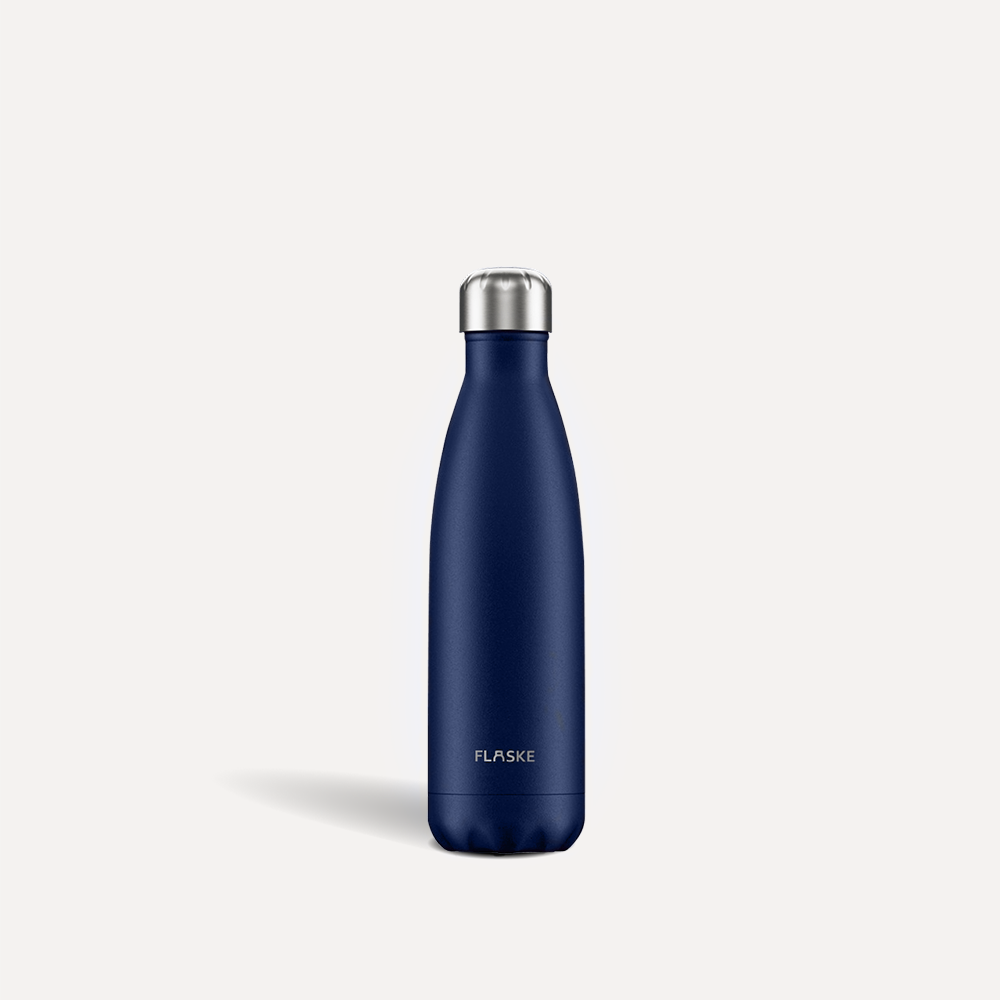
This article highlights how sustainable water bottles improve workplaces by combining environmental friendliness with employee wellbeing and brand identity. Challenges such as choosing the right material and creating engagement are often a stumbling block. At FLASKE we understand these pain points and offer targeted solutions that tackle these problems directly. Our sustainable stainless steel bottles are not only robust and long-lasting, they can also be personalised so that your brand is visible within the team every day.
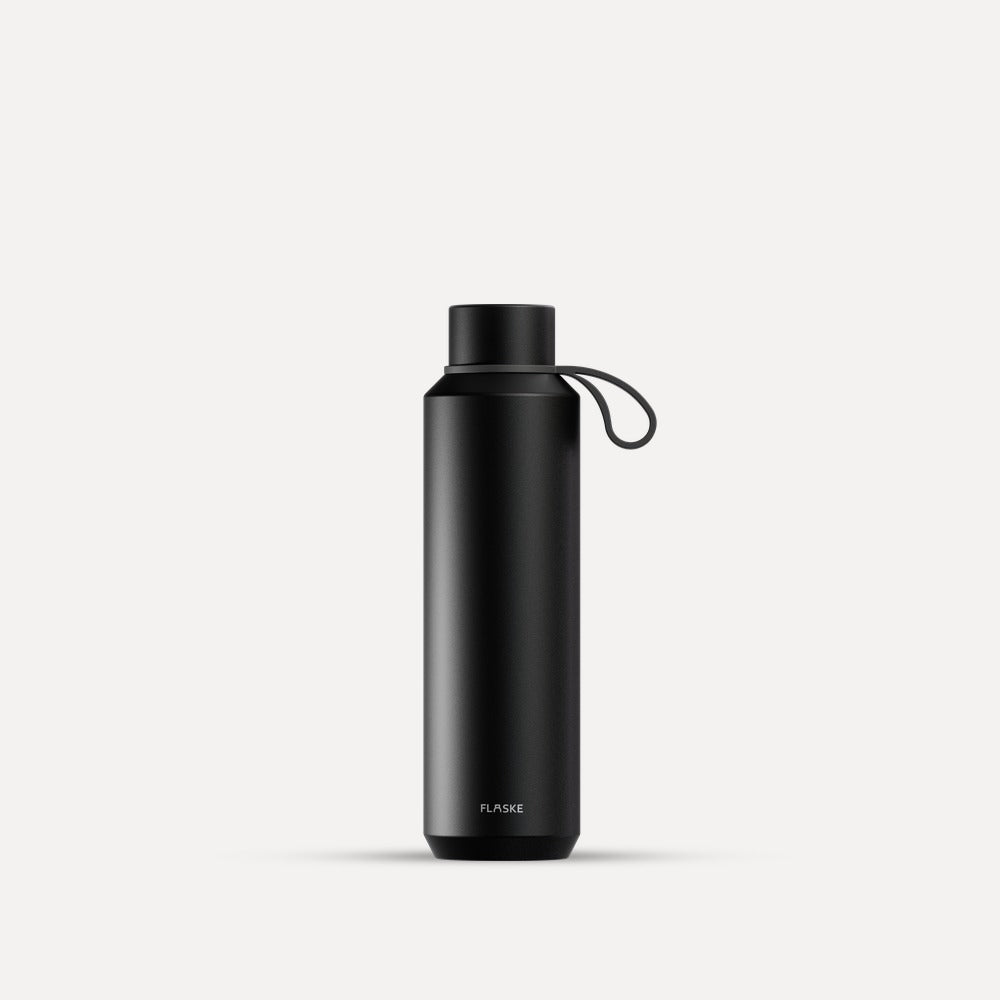
Discover the impact of real sustainability with our EVO Bottles, which fit perfectly in modern workplaces.
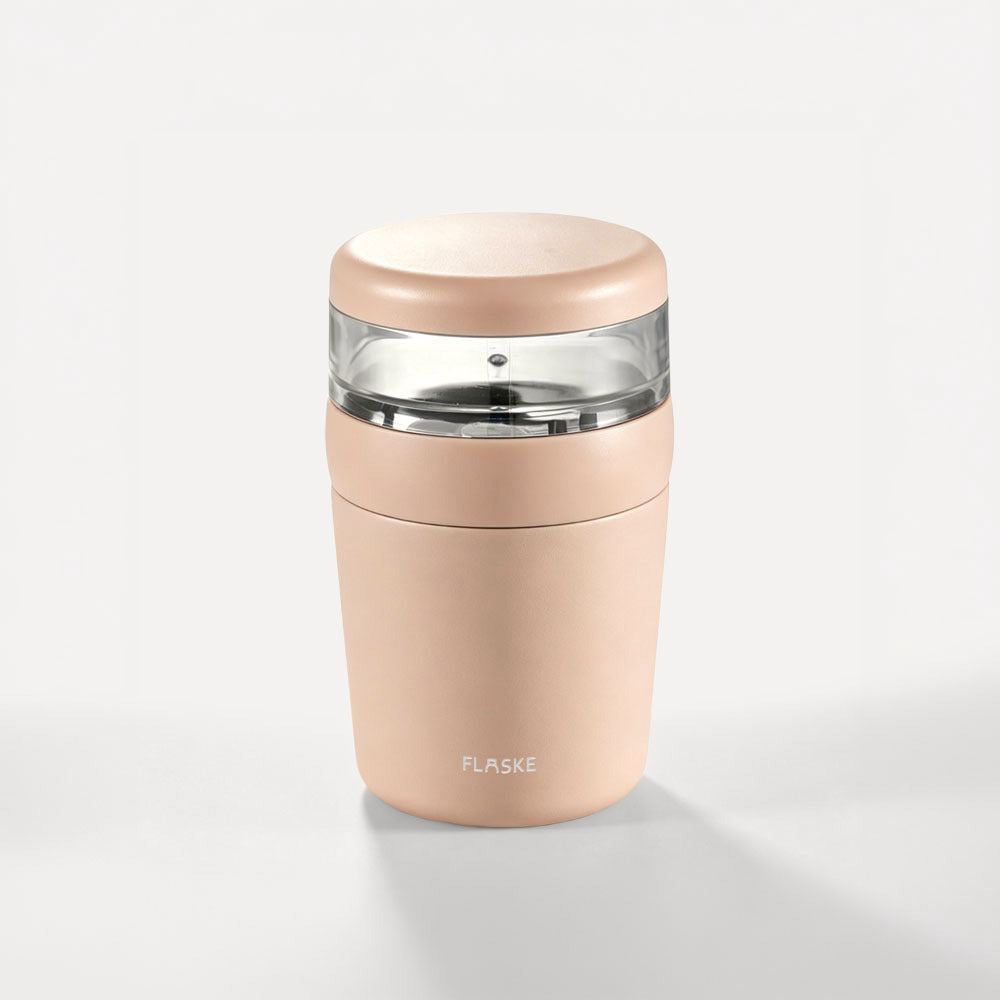
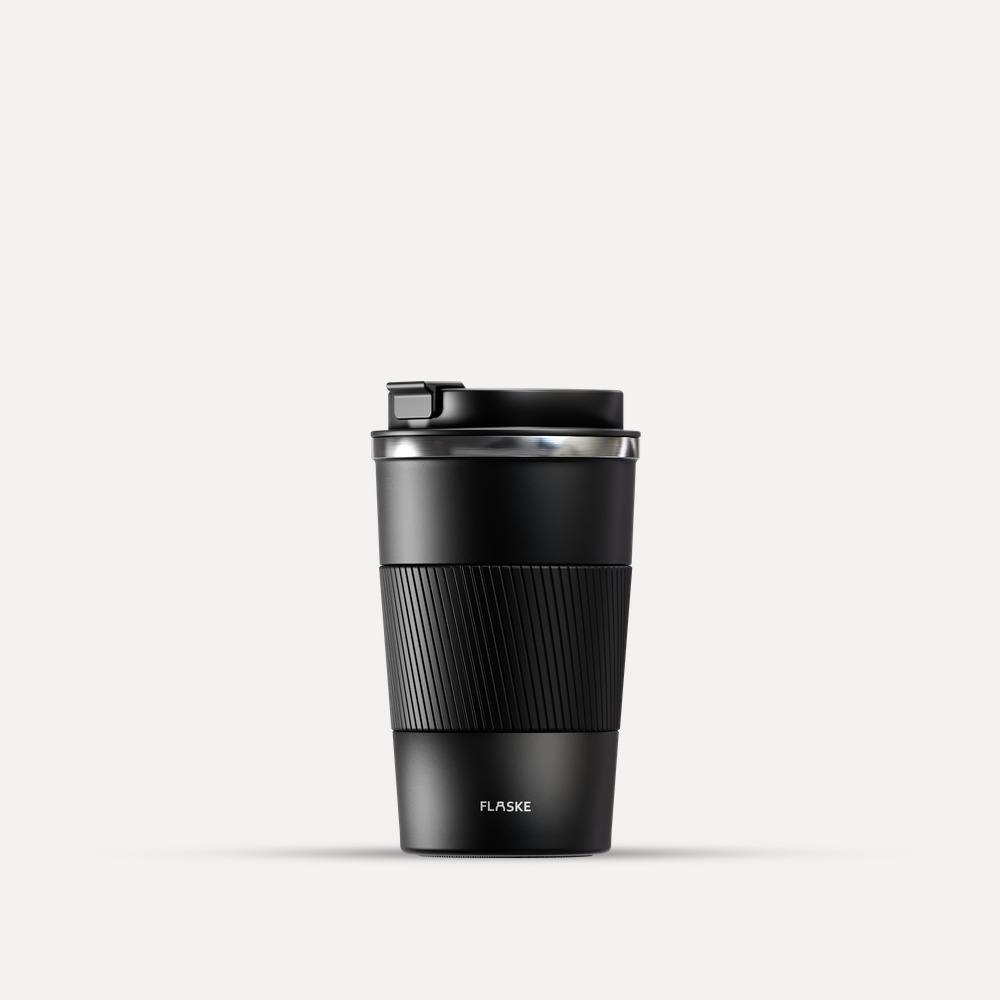
Choose a smart investment in sustainability and employee engagement today. Visit FLASKE to view the collection and give your team style and responsibility. Do you also want accessories that complete the experience? Then take a look at our Accessories and Tumblers for a complete package of sustainable drinking solutions.
Frequently asked questions
What are sustainable water bottles?
Sustainable water bottles are reusable containers made of environmentally friendly materials such as stainless steel, glass or BPA-free plastics, designed to reduce environmental impact.
How can I assess the environmental impact of my water bottle?
Look at the material used, the production chain, the lifespan of the bottle and the recycling options. This helps you understand how sustainable your water bottle is.
Which materials are most suitable for sustainable water bottles?
Stainless steel, glass and bioplastic are the most common materials. Each material has its own benefits, such as a long lifespan or full recyclability.
How do sustainable water bottles contribute to employee wellbeing?
Sustainable water bottles create awareness and engagement among employees, so that they feel connected to the organisation's sustainability goals and are proud of their contribution to environmental protection.