
Every day, HR managers and office managers in the Netherlands face the challenge of making conscious choices that really make their organisation greener. At a time when sustainable business operations are more than a trend, eco-labels offer guidance and clarity when choosing environmentally friendly products for the office and employees. Discover how to recognise reliable certification marks and how certified products help you create a positive impact within your company culture.
Table of contents
- What are eco-labels and how do you recognise them?
- The main types of eco-labels worldwide
- How eco-labels work: criteria and processes
- Legal regulation of eco-labels
- Company roles and pitfalls with eco-labels
- Eco-labels as a strategy for HR and office management
Key takeaways
| Point | Details |
|---|---|
| What are eco-labels? | Eco-labels are certification marks that identify environmentally friendly products and promote sustainable purchasing. They are issued by independent bodies and have specific sustainability criteria. |
| Types of eco-labels | Eco-labels are divided into three types according to ISO standards: Type I (external certification), Type II (self-declaration) and Type III (data audit). This classification supports the choice of responsible products. |
| Regulation and transparency | The European Green Claims Directive requires scientific substantiation for environmental claims and independent verification to prevent greenwashing and promote transparency. |
| Company roles and pitfalls | Companies must use eco-labels authentically and not only as a marketing tool. Continuous evaluation and real sustainability efforts are essential for credibility. |
What are eco-labels and how do you recognise them?
Eco-labels are special certification marks that help companies and consumers recognise and choose environmentally friendly products. They act as reliable guides in the world of sustainable purchasing, with each label indicating that a product meets specific sustainability criteria.
These certified marks are issued by independent bodies and government organisations to identify products that are less harmful to the environment than comparable alternatives. Eco-labels offer a holistic approach in which not only environmental aspects, but also social and economic indicators are taken into account.
How do you recognise a reliable eco-label? Look for the following characteristics:
- Issued by an official, independent body
- Transparent and measurable sustainability criteria
- Independent verification of the requirements set
- Recognisable logo on the packaging
- Specific to a particular product category
There are hundreds of different eco-labels worldwide, each focused on specific sustainability aspects. The European EU Ecolabel, for example, has been active since 1992 and is one of the most recognisable international labels.

Pro tip: Put together an overview of recognised eco-labels that are relevant to your specific purchasing processes and share it with your purchasing team.
The main types of eco-labels worldwide
There are various classification systems for eco-labels, which are subdivided on the basis of international ISO standards. These labels play a crucial role in supporting sustainable purchasing and help companies make responsible product choices.
Eco-label programmes are usually divided into three main categories, each with its own level of independence and verification:
This table summarises the difference between the three eco-label types according to ISO standards:
| Type of eco-label | Verification method | Information for the user |
|---|---|---|
| Type I | External certification | Broad sustainability profile |
| Type II | Self-declaration by the producer | Focused on claims, less verification |
| Type III | Independent data audit | Detailed environmental information |
- Type I: Official labels certified by a third party
- Type II: Self-declarations by producers
- Type III: Quantitative product information and environmental declarations
At the international level there are numerous renowned eco-labels that focus on specific sectors and sustainability challenges. Some well-known examples are:

Here is an overview of international eco-labels and their areas of application:
| Eco-label | Country/Region | Main sector |
|---|---|---|
| EU Ecolabel | Europe | Consumer products |
| Nordic Swan | Scandinavia | Household goods |
| Blue Angel | Germany | Electronics & services |
| MSC | International | Sustainable fishing |
| FSC | International | Wood & paper |
| Fairtrade | Global | Food & clothing |
- EU Ecolabel: Official European environmental label
- Nordic Swan: Sustainability label for Scandinavian countries
- Blue Angel: German environmental label for products and services
- MSC: Marine Stewardship Council for sustainable fishing
- FSC: Forest Stewardship Council for responsible forest management
- Fairtrade: Label for fair trade and working conditions
The global trend is towards further internationalisation and harmonisation of these labels, to increase credibility and transparency.
Pro tip: Develop an internal reference guide with the most relevant eco-labels for your specific business sector.
How eco-labels work: criteria and processes
Eco-labels form a complex system of sustainability certification that helps companies make responsible product choices. The assessment process is based on detailed criteria that map the full life cycle of a product.
The process of awarding eco-labels involves a number of critical steps:
- Submitting detailed documentation
- Independent verification of environmental aspects
- Assessment of the full product life cycle
- Testing against specific sustainability standards
- Final check by competent bodies
The main assessment criteria for eco-labels are:
- Raw material extraction and production
- Energy and water consumption
- CO2 emissions
- Waste management
- Options for reuse and recycling
The aim of this strict assessment procedure is to prevent greenwashing and to guarantee that only products with a demonstrably lower environmental impact are certified.
Eco-labels are not static certification marks, but dynamic instruments that are constantly adapted to new environmental insights and technological developments.
Pro tip: Develop an internal assessment framework that uses the criteria of recognised eco-labels as a reference point for your purchasing process.
Legal regulation of eco-labels
The legal regulation of eco-labels is an essential part of protecting consumers and promoting transparent sustainability communication. In Europe, increasingly strict rules are being developed to prevent misleading environmental claims and to guarantee the reliability of sustainability labels.
The European Green Claims Directive sets clear frameworks for communicating environmental aspects:
- All sustainability claims must be scientifically substantiated
- Claims must be verifiable and transparent
- Independent verification is mandatory
- Vague or unfounded statements are banned
- Companies must demonstrate the full product life cycle
Important aspects of the new legislation include:
- Mandatory verification of environmental claims
- Stricter requirements for eco-labelling
- Protection against greenwashing
- More transparency for consumers
- Penalties for breaking the rules
The new European legislation is expected to be fully implemented by 2026 and is a crucial step in the fight against superficial sustainability communication.
Pro tip: Have your products and communication tested against the new guidelines in advance now, to avoid future adjustments.
Company roles and pitfalls with eco-labels
Companies play a crucial role in the implementation and credibility of eco-labels. The way organisations approach these sustainability instruments determines their effectiveness and social impact.
Critical evaluation of eco-labels is essential to avoid pitfalls. The main challenges for companies are:
- Distinguishing between authentic and superficial labels
- Preventing greenwashing
- Selecting relevant and reliable certifications
- Implementing actual sustainability measures
- Communicating transparently about environmental efforts
Common pitfalls with eco-labels include:
- Using certifications solely as a marketing instrument
- Obtaining labels without real sustainability efforts
- Insufficient employee involvement
- Not making continuous improvements
- Misleading or opaque communication
Real sustainability goes further than a label: it requires an integrated business strategy and genuine commitment.
Pro tip: Set up an internal working group that critically evaluates and monitors the authenticity and implementation of eco-labels.
Eco-labels as a strategy for HR and office management
Eco-labels are more than just environmentally friendly certification marks; they are a strategic tool for HR and office management to anchor sustainability deep in the organisational culture.
A sustainable HR policy integrates environmental aspects as a core part of the business strategy and employer brand. This process requires the active involvement of HR professionals.
Important strategic aspects for HR and office management:
- Including sustainability in recruitment and onboarding
- Training programmes on environmentally conscious working
- Purchasing certified sustainable office products
- Communication about environmental initiatives
- Linking performance indicators to sustainability goals
The benefits of eco-labels in HR strategy include:
- Attracting socially engaged talent
- Strengthening employer branding
- Increasing employee satisfaction
- Lowering operational environmental costs
- Demonstrating organisational values
Sustainability is no longer a choice, but a fundamental expectation of modern employees and stakeholders.
Pro tip: Develop a dashboard that visualises the organisation's sustainability performance in a transparent and inspiring way.
Make your business operations more sustainable with FLASKE and eco-labels
This article highlights the power of eco-labels to make sustainable choices and avoid greenwashing. Many companies want to integrate this environmentally friendly approach into their purchasing process but struggle to select reliable products that meet strict sustainability criteria. At FLASKE we understand that authentic sustainability requires well-considered choices and real impact.
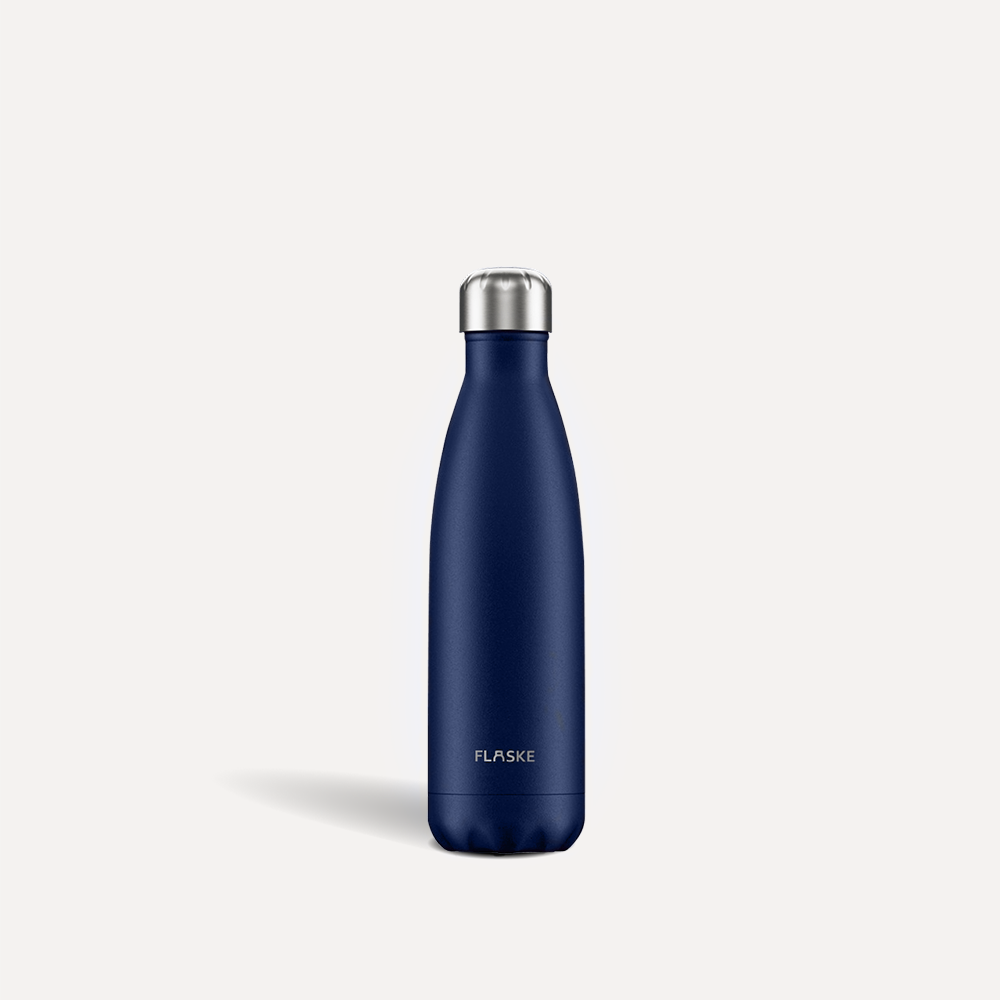
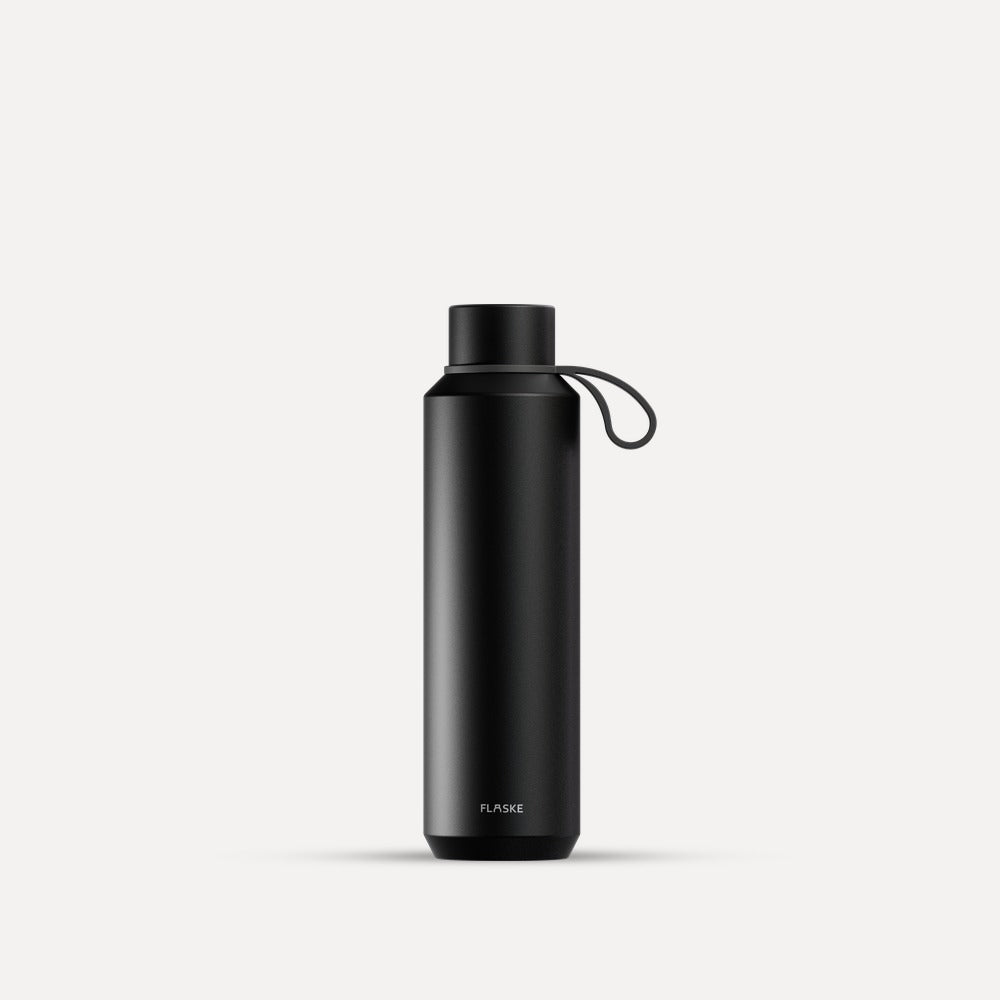
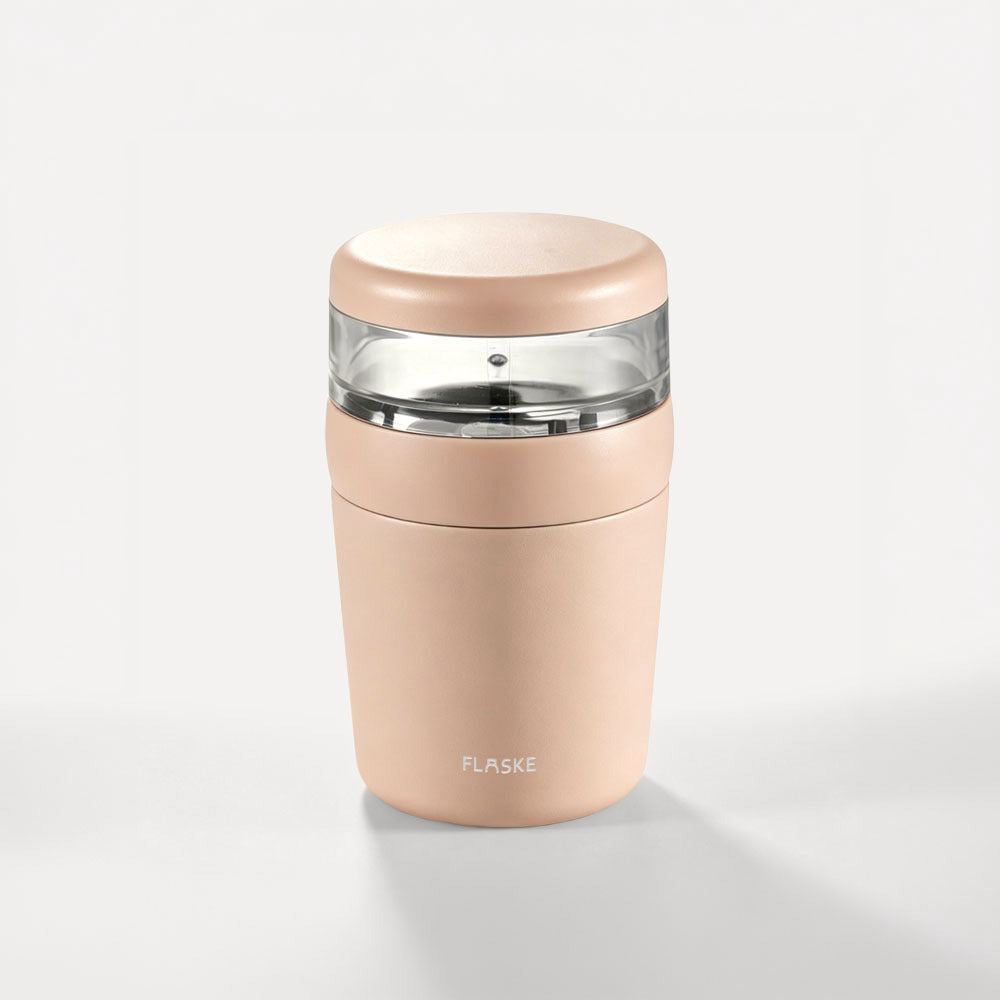
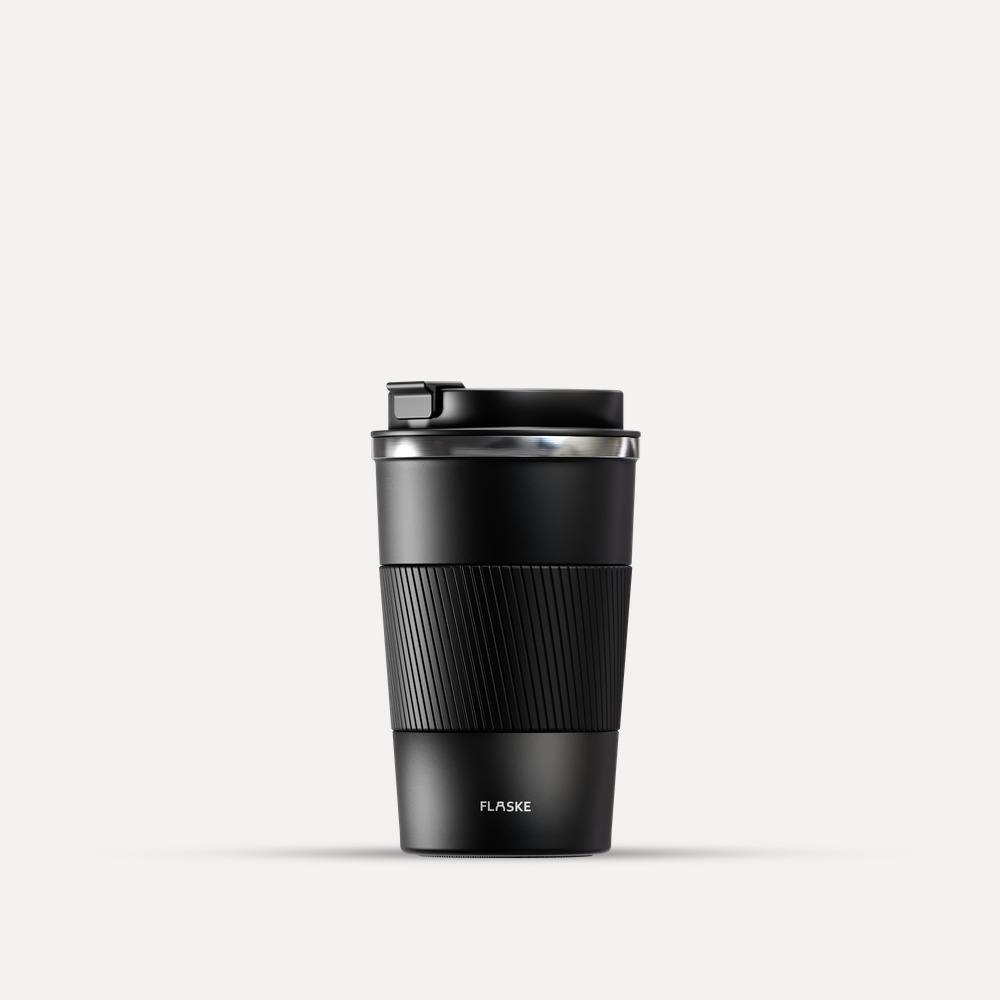
Discover our EVO Bottles. Our stainless steel water bottles and coffee cups are designed with an eye for the environment and lifespan, so your organisation takes a strong sustainable step in line with international eco-label principles.
Do not wait any longer to make your office and staff benefits more sustainable. Visit FLASKE today and choose stylish, reusable products that strengthen your sustainability goals. Also take a look at our Accessories for additional environmentally friendly options. Take the next step towards a greener future together with FLASKE.
Frequently asked questions
What are eco-labels?
Eco-labels are certification marks that help identify environmentally friendly products that meet specific sustainability criteria set by independent bodies.
How do you recognise a reliable eco-label?
A reliable eco-label is issued by an official, independent body, has transparent and measurable criteria, and can be recognised by a clear logo on the packaging.
What are the main types of eco-labels?
The three main types of eco-labels are Type I (external certification), Type II (self-declaration by producers) and Type III (independent data audit), each with its own verification methods.
How do the criteria and processes for eco-labels work?
Eco-labels are awarded on the basis of a detailed assessment process that evaluates the full life cycle of a product, including raw material extraction, energy consumption and waste management.