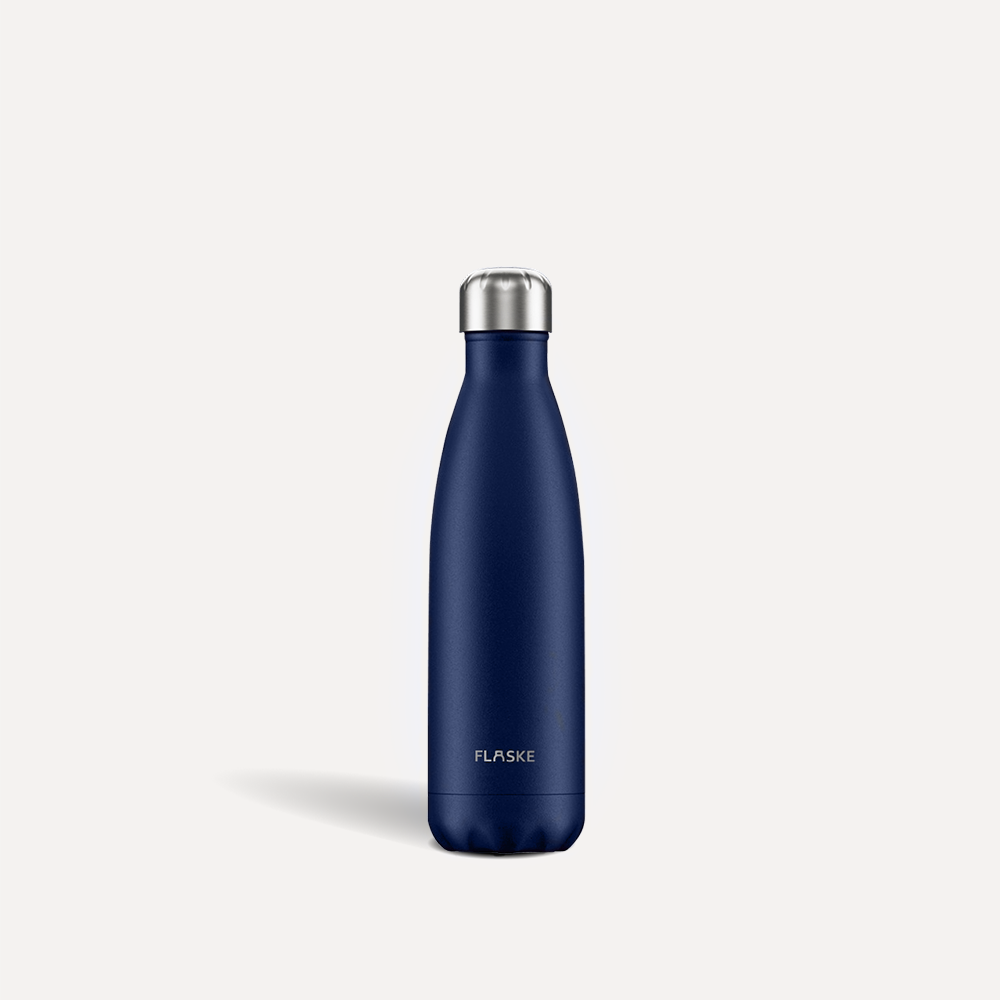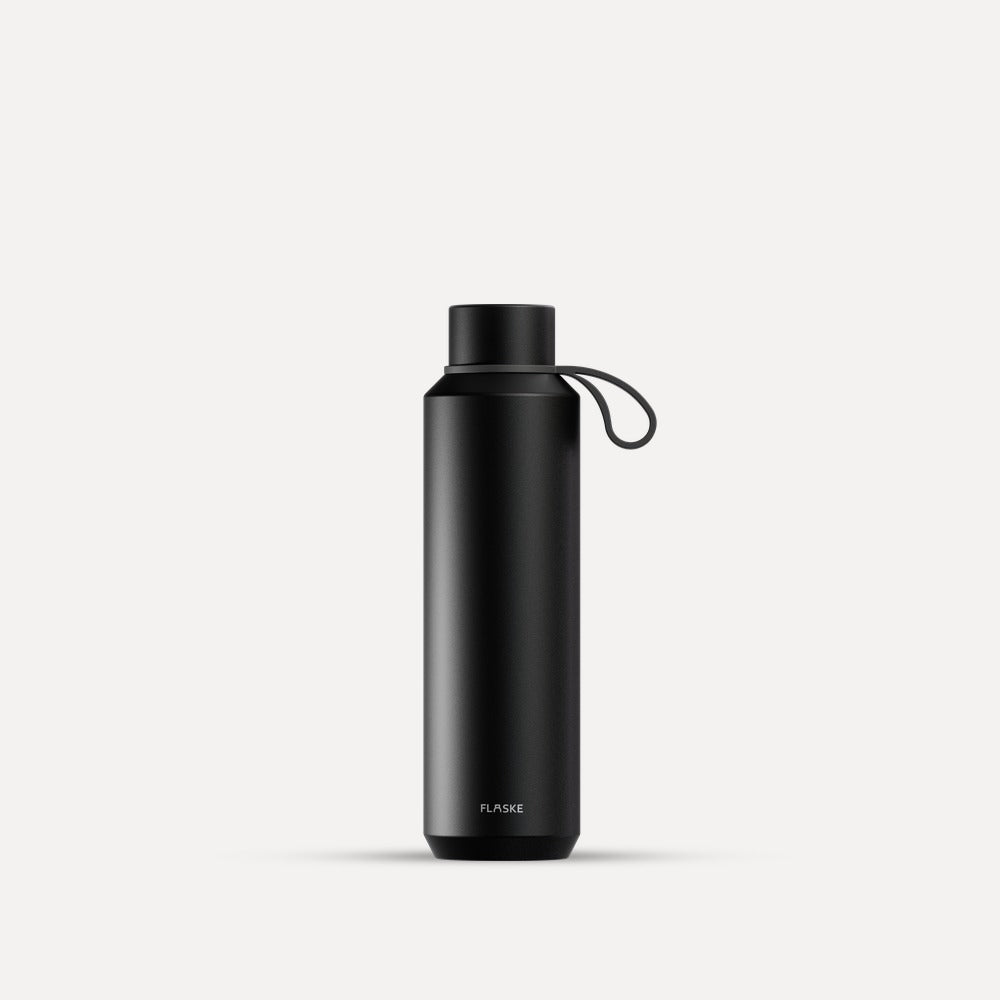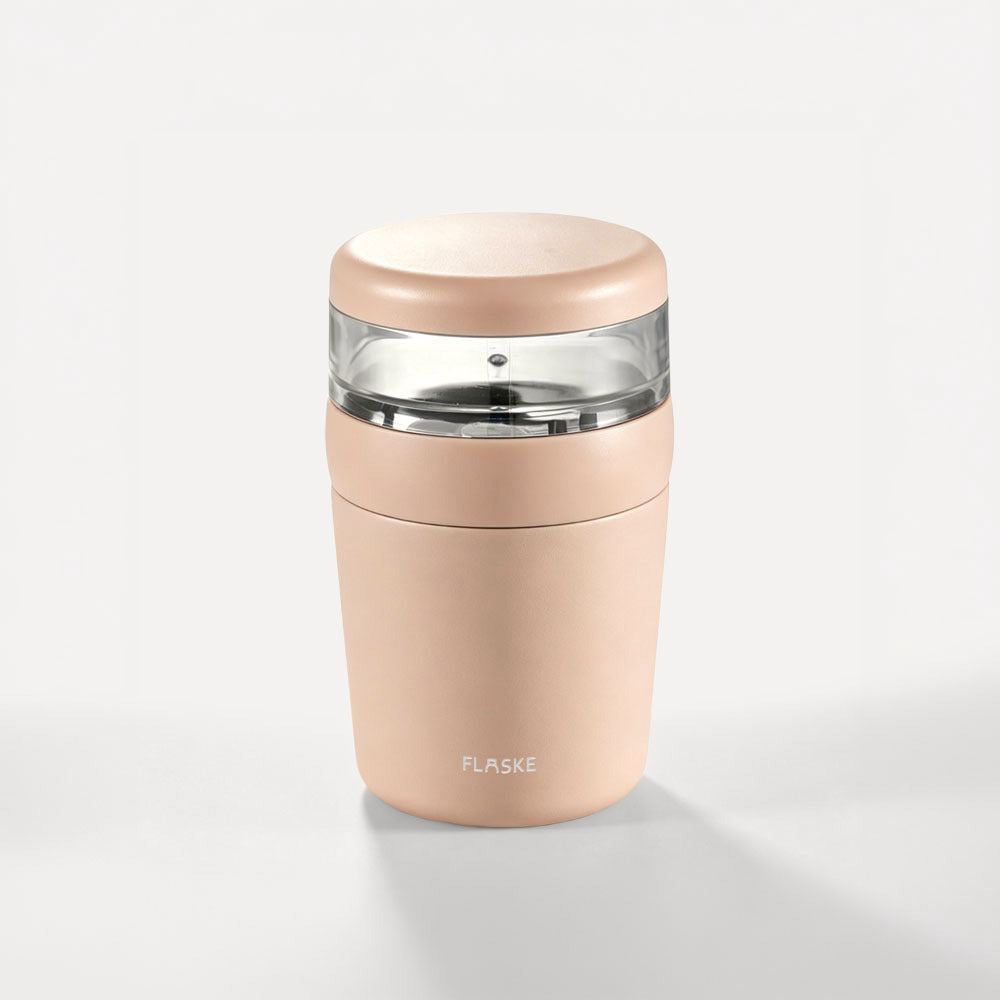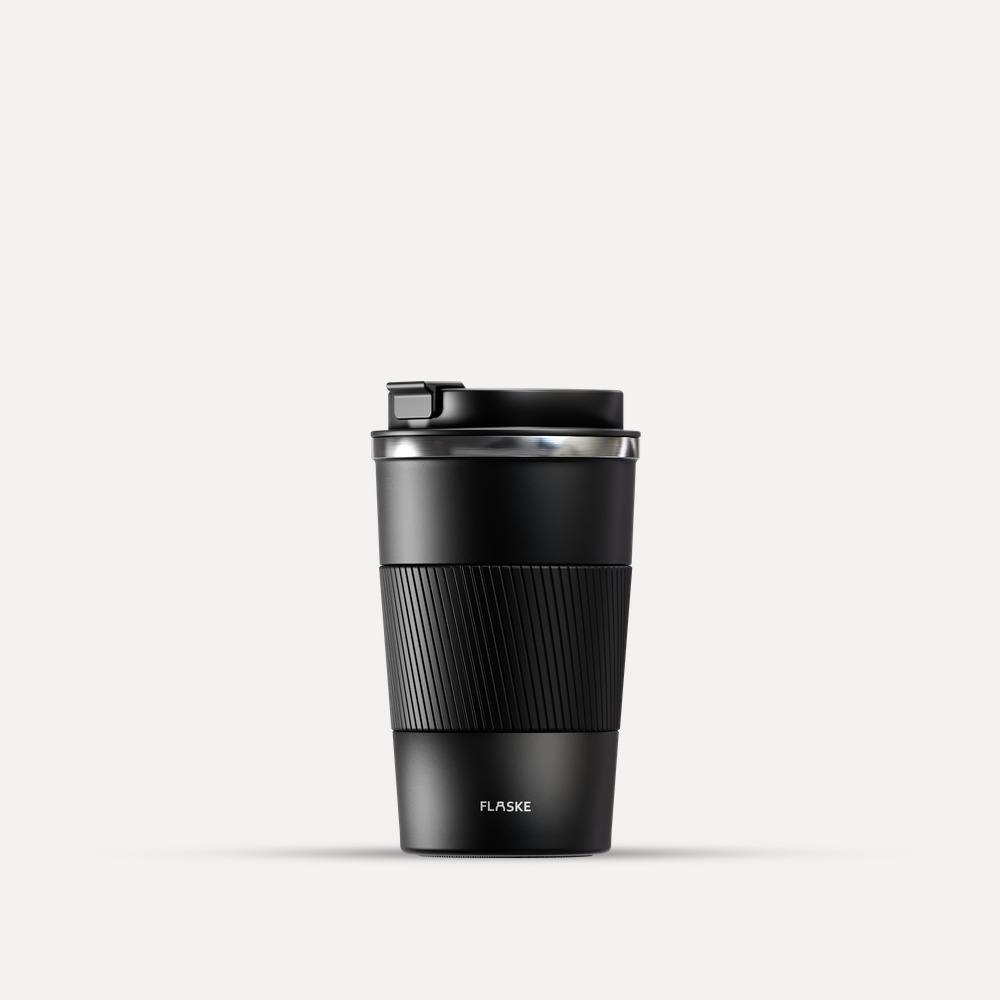

A reusable water bottle may seem like a small detail in the workplace, but for many HR and office managers choosing the right type quickly becomes a challenge. Doing business sustainably takes more than good intentions. It is about smart choices that are practical and really contribute to environmental gains and to support among employees. This guide gives you concrete advice on setting the selection criteria for reusable water bottles and helps you take well-considered steps.
Table of contents
- Step 1: Set the selection criteria for reusable water bottles
- Step 2: Draw up an implementation plan for the workflow
- Step 3: Implement reusable water bottles in the workplace
- Step 4: Communicate instructions for use and maintenance effectively
- Step 5: Evaluate the workflow and keep optimising
Quick summary
| Key point | Explanation |
|---|---|
| 1. Material quality is crucial | Choose stainless steel or BPA-free materials for durability and safety. |
| 2. Involve employees in the process | Organise trial periods and workshops to increase engagement and lower barriers. |
| 3. Communicate clear guidelines | Use visual instructions and personal training to ensure bottles are handled correctly. |
| 4. Evaluate and keep improving | Monitor use and feedback to keep optimising the implementation of reusable bottles. |
Step 1: Set the selection criteria for reusable water bottles
When selecting reusable water bottles for your organisation, it is crucial to develop a careful set of selection criteria that go beyond appearance alone. The goal is to find a sustainable and practical solution that meets both the environmental and the usage requirements.
When setting the right selection criteria, you need to take several important aspects into account. A systematic approach helps you make the best choice. Use the following criteria to identify the most suitable reusable water bottles for your organisation:
- Material quality: Choose stainless steel or high-quality BPA-free materials that are safe and durable
- Environmental impact: Consider sustainable packaging systems that have a low ecological footprint
- Ease of use: Pay attention to weight, size and whether the bottle is easy to clean
- Lifespan: Select bottles that can withstand daily use
- Thermal properties: Look at the insulation performance for hot and cold drinks
By applying a systematic evaluation based on these criteria, you can select the best reusable water bottles that are both practical and sustainable. Look at each aspect carefully and compare different options before you make a final choice.
Below you will find an overview of common materials for reusable water bottles and their characteristics:
| Material | Advantages | Disadvantages |
|---|---|---|
| Stainless steel | Very durable, retains temperature | Relatively heavy, higher cost |
| BPA-free plastic | Lightweight, affordable | Less insulating, risk of scratches |
| Glass | Taste-neutral, easy to clean | Fragile, heavy |
Pro tip: Organise a trial period in which employees can try out different water bottles to assess how practical they are.
Step 2: Draw up an implementation plan for the workflow
Developing a structured implementation plan is crucial for the successful introduction of reusable water bottles in your organisation. The plan forms the backbone of your sustainability strategy and ensures a smooth transition to an environmentally conscious workplace.
An effective implementation plan requires a detailed, phased approach in which you take various organisational aspects into account. A systems approach to sustainable development is essential here to map all the relevant factors:
- Preparation: Analyse the current situation and build support within the organisation
- Logistics planning: Define collection and cleaning procedures
- Employee engagement: Develop communication strategies and training moments
- Infrastructure changes: Create spaces for storing and cleaning water bottles
- Monitoring: Set measurable goals and evaluation moments
By working systematically you can minimise resistance and maximise the chance of a successful implementation. Pay particular attention to practical feasibility and the needs of your employees.

Pro tip: Involve employees early in the process and create a core team that is responsible for implementing reusable water bottles.
Step 3: Implement reusable water bottles in the workplace
Successfully introducing reusable water bottles requires more than just handing out new materials. You need a strategic approach that takes the practical needs and habits of your employees into account.
During implementation, motivators and barriers to use are crucial for acceptance. Here are the most important steps for a smooth introduction:
- Availability: Make sure there are enough reusable water bottles for all employees
- Cleaning infrastructure: Create clear cleaning stations and protocols
- Communication: Inform employees about the benefits and the instructions for use
- Accessibility: Place refill points at strategic locations in the office
- Support: Offer support and answer questions about the new system
Successful implementation takes patience and an active approach. Encourage employees to share experiences and find solutions together for any challenges.
The following table summarises how you can involve employees effectively in the implementation:
| Phase | Action | Expected outcome |
|---|---|---|
| Preparation | Question rounds | Identifying needs and wishes |
| Introduction | Demo workshop | Lowering barriers, increasing engagement |
| Evaluation | Sharing experiences | Ongoing improvement and acceptance |
Pro tip: Organise a short introductory workshop where employees can try out the new water bottles and ask questions.
Step 4: Communicate instructions for use and maintenance effectively
A successful implementation of reusable water bottles depends on clear and understandable communication about use and maintenance. Employees need to know exactly how to handle their water bottles correctly to avoid health risks and extend the lifespan.
Effective communication strategies are essential for removing obstacles to use. Take a multichannel approach when passing on instructions:
- Visual instructions: Make clear infographics with step-by-step cleaning instructions
- Digital communication: Share manuals by email and on the intranet
- Physical guides: Put up cleaning instructions at water points
- Personal training: Organise short instruction sessions
- Continuous support: Make a point of contact available for questions
By communicating instructions accessibly and repeatedly, you increase the chance of successful adoption of reusable water bottles in your organisation.

Pro tip: Develop a short, attractive instruction video that employees can consult quickly.
Step 5: Evaluate the workflow and keep optimising
Successfully implementing reusable water bottles is a dynamic process that requires constant attention and adjustment. By evaluating the workflow systematically, you can improve the effectiveness of your sustainability efforts.
Use systems approaches with feedback loops to continuously refine your implementation strategy. Focus on the following evaluation aspects:
- Frequency of use: Measure how often employees use the reusable water bottles
- Cleaning quality: Check whether cleaning procedures are carried out correctly
- Environmental impact: Calculate the actual sustainability gain
- Employee satisfaction: Collect feedback regularly
- Cost efficiency: Analyse the financial benefits of the system
By monitoring and adjusting systematically, you create an adaptive workflow that continuously improves itself.
Pro tip: Organise a short evaluation session every quarter in which employees can share their experiences and suggest improvements.
Complete your workflow with sustainable water bottles from FLASKE
Successfully implementing reusable water bottles within your organisation calls for well-considered choices and a clear plan. You want not only sustainable and easy-to-clean bottles, but also products that employees enjoy using and can rely on every day. It is essential to choose quality and practical usability that fit perfectly with the workflow steps described, such as selection criteria, communication and continuous evaluation.
Under Water Bottles you will discover our high-quality stainless steel water bottles that contribute to a cleaner and healthier workplace. Combine them with our Tumblers for a complete, sustainable drinking ritual that motivates employees to join in. Visit our website https://flaske.com and make sure your organisation benefits straight away from practical, stylish and environmentally friendly solutions that make the implementation of reusable water bottles smooth and effective. Do not wait any longer and give your sustainable workflow a powerful boost today.
Frequently asked questions
What are the best selection criteria for reusable water bottles?
Use criteria such as material quality, environmental impact, ease of use, lifespan and thermal properties to select the most suitable reusable water bottles. Start by drawing up a list of requirements based on the needs of your organisation and employees.
How do I set up an implementation plan for reusable water bottles?
An effective implementation plan covers preparation, logistics planning, employee engagement, infrastructure changes and monitoring. Draw up a phased plan and involve employees during every phase for the best results.
How do I make sure employees use reusable water bottles?
Make sure there are enough bottles available, clear cleaning instructions and good communication about the benefits. Organise workshops or training sessions to involve employees and inform them about the new system.
What instructions should I give for maintaining the water bottles?
Give clear and visual instructions for cleaning and maintaining the water bottles. Use infographics and share them in central places, so that employees have easy access to this information.
How can I evaluate and optimise the workflow around reusable water bottles?
Monitor the frequency of use, check the cleaning quality and collect feedback from employees regularly. Plan to organise an evaluation session every quarter to share experiences and discuss points for improvement.
How much time should I spend on implementing reusable water bottles?
A successful implementation can vary, but set a timeline of around 30 to 60 days for the important steps. Start with small steps and evaluate regularly to make adjustments where needed.