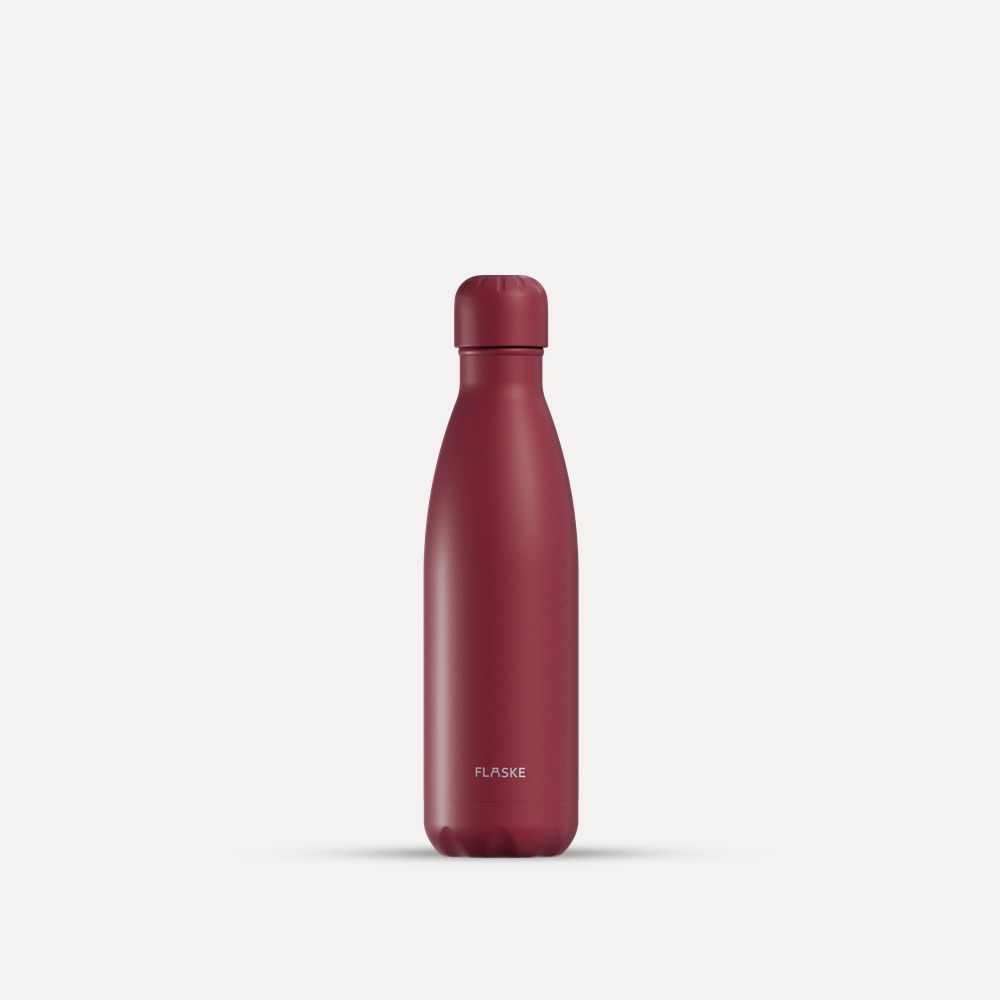



Plastic waste in the workplace remains a stubborn problem for many HR managers who are aiming for more sustainability. With the growing attention for environmentally conscious choices, the reusable water bottle is a powerful alternative to disposable packaging. According to the Ellen MacArthur Foundation, reuse is even seen as essential to contain the plastic crisis. In this article you will discover why investing in the right water bottle is both practical and responsible for every working environment.
Table of contents
- What reusable water bottles are, and the misconceptions
- The main materials and their properties
- Environmental effects and impact on employees
- Legislation, safety and healthy use
- Payback period, alternatives and mistakes
Key takeaways
| Point | Details |
|---|---|
| Sustainability | Reusable water bottles are an environmentally friendly alternative to disposable packaging and help to reduce the mountain of plastic waste. |
| Choice of material | Stainless steel and BPA-free plastic are the best choices for safety and durability. |
| Cost savings | In the long term, reusable water bottles are often more economical than disposable options. |
| Employee engagement | Using reusable bottles promotes a positive company culture and increases environmental awareness among employees. |
What reusable water bottles are, and the misconceptions
Reusable water bottles are durable containers that are specially designed to be used multiple times, which makes them an environmentally friendly alternative to disposable packaging. They are usually made of materials such as stainless steel, glass or BPA-free plastic and help to shrink the mountain of plastic waste.
There are different types of reusable water bottles with specific characteristics:
- Metal bottles: Very durable and suitable for different temperatures
- Glass bottles: Environmentally friendly and with no flavour transfer
- Stainless steel water bottles: Lightweight and suitable for on the go
Contrary to popular misconceptions, reusable water bottles are much more efficient than disposable packaging. Returnable packaging systems show that reuse plays a crucial role in reducing plastic waste.
People often think that reusable water bottles are expensive or hard to maintain. But nothing could be further from the truth. Modern water bottles are:
- Affordable in the long term
- Easy to clean
- Designed for daily use
These bottles are not only an environmentally conscious choice, but also a practical solution for both individual users and companies that take sustainability seriously.
Pro tip: Choose a reusable water bottle that fits your daily routine and clean it regularly for optimal hygiene and durability.
The main materials and their properties
Choosing the right material for reusable water bottles is crucial for durability, safety and ease of use. Different materials offer unique properties that suit different needs and conditions of use.
The most common materials for reusable water bottles are:
- Stainless steel: Very durable and hygienic
- Aluminium: Light and a good conductor
- Glass: Neutral and with no flavour transfer
- BPA-free plastic: Lightweight and affordable
Metal bottles such as stainless steel are considered the safest option because of their excellent hygienic properties and durability. They withstand temperature fluctuations and have no coating that can leach.
Bioplastics are often seen as an environmentally friendly alternative, but there are some caveats. Bioplastics are not always as sustainable as people often assume. They are produced with intensive farming methods and are not necessarily biodegradable.
Below is an overview of the properties of different materials for reusable water bottles:
| Material | Temperature resistance | Effect on taste | Weight |
|---|---|---|---|
| Stainless steel | Very high | No flavour transfer | Light |
| Glass | Average | Completely neutral | Heavy |
| Aluminium | Moderate | Can give off a taste | Very light |
| BPA-free plastic | Low | Slight plastic aroma | Very light |
When selecting a water bottle, the main considerations are:
- Material safety
- Environmental impact
- Durability
- Weight and portability
- Ease of cleaning
Pro tip: Choose a water bottle made of stainless steel or high-quality BPA-free plastic for an optimal balance between safety and durability.
Environmental effects and impact on employees
Reusable water bottles have a significant impact on both the environment and the working environment. They are a crucial part of a broader sustainability strategy that directly involves employees in environmentally responsible initiatives.
Life cycle analyses show that reusable water bottles cause considerably less environmental impact when they are used correctly. The main environmental benefits are:
- Less plastic waste
- Lower CO2 emissions
- Lower use of raw materials
- Less disposable packaging
The impact on employees is twofold. On the one hand, reusable water bottles create awareness of sustainability; on the other, they contribute to a positive company culture. Legislation on reusable systems directly affects the working conditions and engagement of employees.

The main effects on employees include:
Overview of the benefits reusable bottles offer organisations and employees:
| Benefit for the company | Benefit for the employee |
|---|---|
| Lower waste costs | Awareness |
| Better image | Healthier choices |
| Contribution to goals | Stronger sense of engagement |
| Less logistics | More comfort every day |
- Greater environmental awareness
- A stronger sense of collective responsibility
- A direct contribution to sustainability goals
- A better workplace culture
- Cost savings for the company
Pro tip: Organise regular information sessions to involve employees in the environmental benefits of reusable water bottles.
Legislation, safety and healthy use
The laws and regulations around reusable water bottles are evolving quickly to protect health and the environment. European packaging rules place ever stricter requirements on producers to guarantee safe and sustainable drinking containers.
When choosing reusable water bottles, the following safety aspects are crucial:
- Material composition: Free from harmful chemicals
- Producer certification: Independent quality checks
- Suitability for food contact: Verified food safety
- Durability guarantee: Long lifespan without loss of quality
Health risks deserve special attention. Research into nanoplastics points to possible health implications of certain materials, which makes a conscious choice of material essential.
The main legislative principles for reusable water bottles include:
- Mandatory safety standards
- Transparency about the choice of material
- Minimal environmental impact
- Recyclability
- Checks on chemical composition
Pro tip: Always check the material specifications and choose bottles with official safety certifications.
Payback period, alternatives and mistakes
Implementing reusable water bottles calls for a strategic approach with attention to economic and practical aspects. Reusable systems require careful implementation to really pay off and be effective.
The payback period of reusable water bottles depends on several factors:
- Initial purchase costs
- Frequency of use
- Quality of the water bottle
- Savings on disposable products
- Maintenance costs
Practical implementation mistakes can undermine the effectiveness of reusable water bottles. Common problems are:
- Insufficient cleaning protocols
- Poor storage facilities
- Unsuitable choice of material
- Insufficient training of employees
- Lack of maintenance instructions
Alternatives to traditional reusable water bottles include modern, innovative solutions that meet specific business needs.
Pro tip: Develop a detailed implementation plan with clear guidelines for cleaning, storing and maintaining reusable water bottles.
Inspire employees with sustainable reusable water bottles
Motivating employees to take sustainability seriously can be a challenge. The article highlights how reusable water bottles not only reduce plastic waste but also increase environmental awareness and engagement in the workplace. By choosing durable and safe materials such as stainless steel, organisations create a positive working environment in which health and the environment go hand in hand.
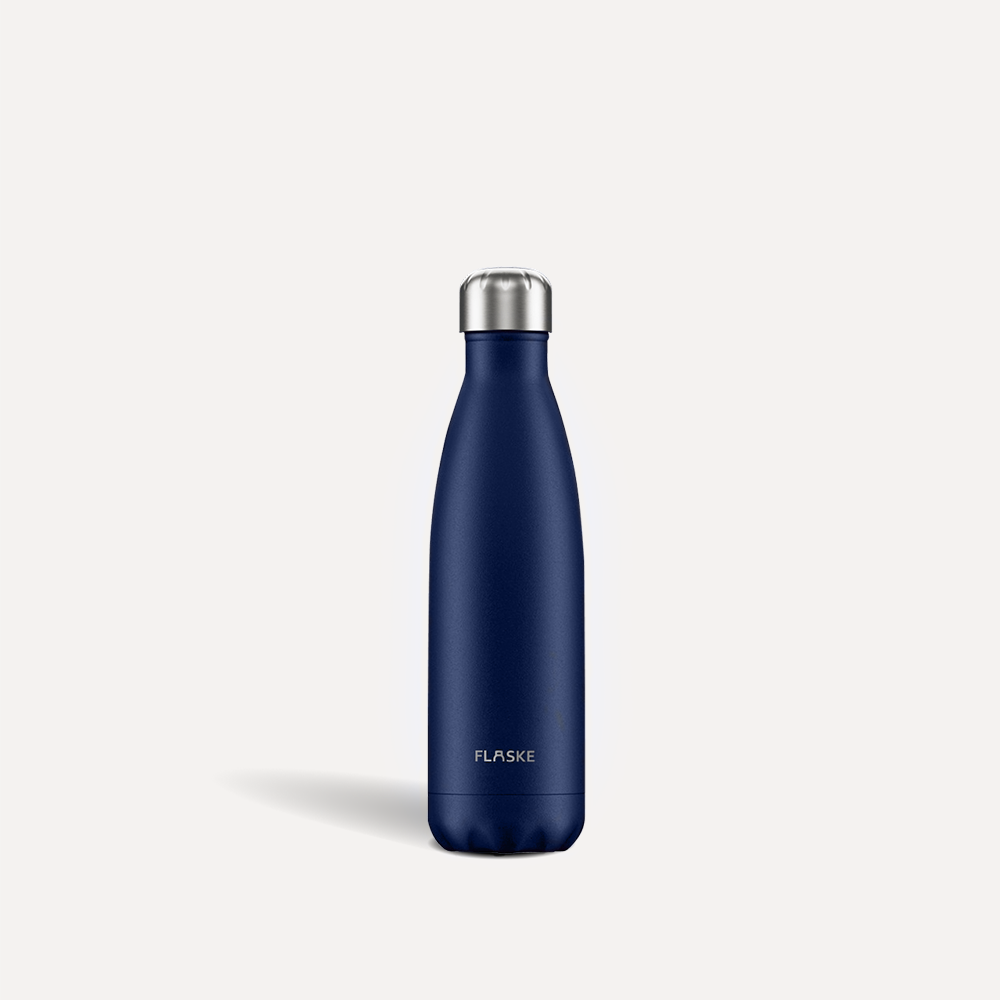
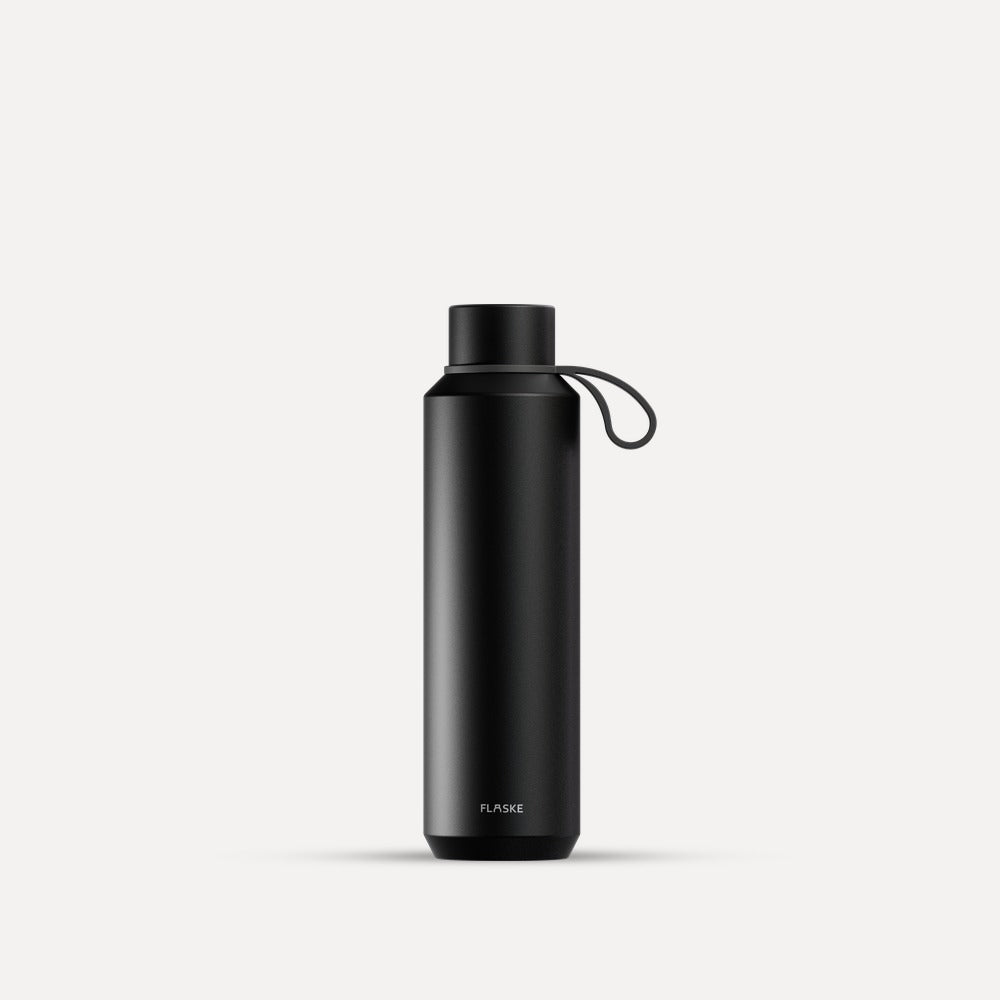
Discover how our EVO Bottles fit this philosophy perfectly. These high-quality stainless steel water bottles are easy to clean and suitable for daily use. They help to strengthen a collective sense of responsibility and improve your company's image.
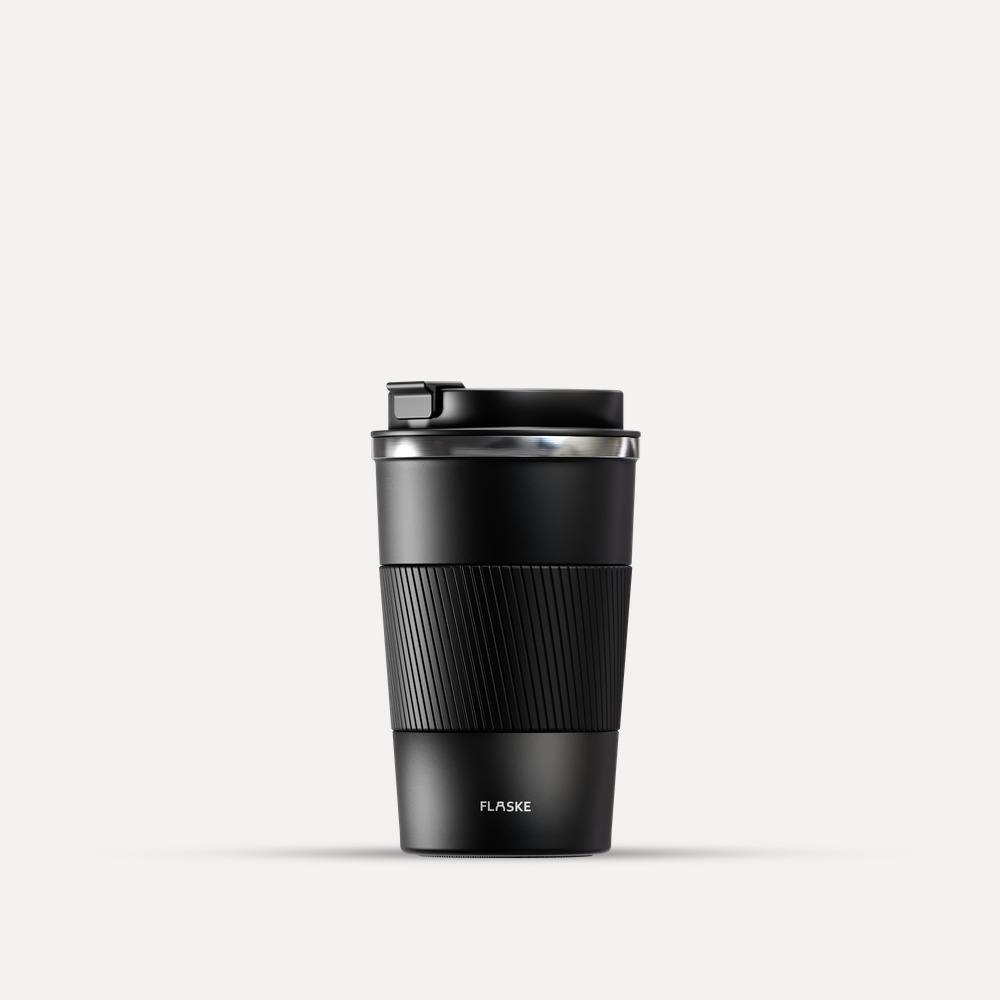
Choose impact today and make sure your employees stay inspired every day with the right water bottle. Visit FLASKE now and also take a look at our sustainable Tumblers, which contribute to a healthy and green workplace. Make a conscious choice that pays off for people and the environment.
Frequently asked questions
What are the benefits of reusable water bottles for employees?
Reusable water bottles help to reduce plastic waste, lower CO2 emissions and promote a healthier lifestyle for employees.
How can companies implement reusable water bottles in their sustainability strategy?
Companies can include reusable water bottles in their policy by informing employees, assigning responsibilities and regularly organising awareness sessions about the benefits of sustainability.
Are reusable water bottles safe to use?
Yes, reusable water bottles are safe as long as they meet the legal requirements on material composition and food safety. It is important to choose bottles with official safety certifications.
How do I look after my reusable water bottle properly?
Regular cleaning with mild soap and warm water is essential. Also check whether there are specific care instructions for the bottle you have chosen, especially with special materials such as glass or stainless steel.