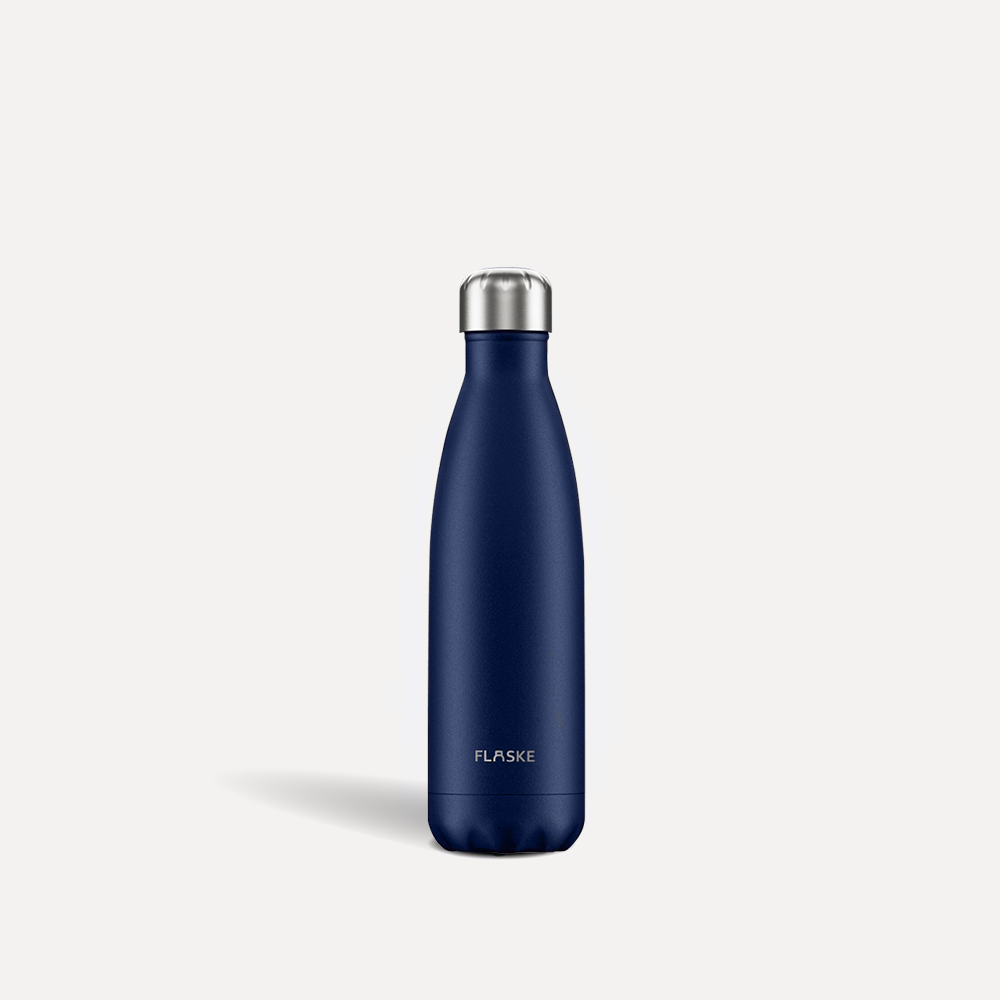
Choosing eco-friendly corporate gifts sounds simple, but definitions often blur once you dig into the details. As more Canadian, American, and European companies aim to reduce waste and align gifts with employee values, it becomes clear that not every “green” item truly supports sustainability goals. This guide breaks down what really counts as an eco-friendly gift, highlights the difference from sustainable options, and reveals the most important criteria for making meaningful, environmentally responsible choices.
Table of Contents
- Eco-Friendly Gifts Defined And Debunked
- What Actually Makes A Gift Eco-Friendly?
- The Greenwashing Problem You Need To Avoid
- Common Myths That Trip Up Decision-Makers
- Popular Types And Their Key Features
- Reusable Products: The Workhorse Option
- Recycled And Upcycled Materials: Closing The Loop
- Cause-Driven Gifts: Supporting Larger Missions
- How Sustainable Gifts Strengthen Company Image
- Building Trust Through Transparency
- Attracting And Retaining Talent
- Differentiating Your Brand In Competitive Markets
- Measuring Brand Perception Changes
- Employee Engagement And ESG Compliance
- Building Workplace Culture Around Shared Values
- ESG Compliance: From Strategy To Measurable Action
- Quantifying ESG Impact For Reporting
- Making ESG Compliance Your Competitive Advantage
- Comparing Eco-Friendly Vs. Traditional Gifting
- The Environmental Reality: Impact Across The Full Lifecycle
- The Ethical Labor And Supply Chain Divide
- Cost Comparison: Initial Price Vs. Total Value
- Cultural Shift: From Disposable To Meaningful
- How To Avoid Greenwashing And Common Pitfalls
- Red Flags That Signal Greenwashing
- Verification Protocols: Moving Beyond Marketing Claims
- Common Pitfalls Even Well-Intentioned Companies Make
- Building Trust Through Transparent Communication
Key Takeaways
| Point | Details |
|---|---|
| Definition of Eco-Friendly Gifts | Eco-friendly gifts aim to minimize environmental impact throughout their lifecycle, whereas sustainable gifts also consider long-term social and economic factors. |
| Avoiding Greenwashing | It’s crucial to validate sustainability claims through third-party certifications and transparent communication about sourcing and manufacturing. |
| Employee Engagement | Sustainable gifts can enhance employee satisfaction and retention by aligning company values with those of employees, making them feel respected and valued. |
| Measuring Impact | Track metrics like waste reduction and employee engagement to determine the effectiveness of sustainable gifting initiatives and support ESG compliance. |
Eco-Friendly Gifts Defined and Debunked
When your company decides to shift toward sustainable gifting, you’ll quickly discover that “eco-friendly” means different things depending on who’s talking. The baseline definition is straightforward: eco-friendly gifts are presents designed to minimize environmental impact throughout their entire life cycle, from raw material sourcing through production, packaging, and eventual disposal. But understanding what that actually looks like in practice is where things get murky.
The distinction between “eco-friendly” and “sustainable” matters more than you might think. Eco-friendly gifts focus on reducing current negative environmental effects—think eliminating unnecessary plastic or choosing recycled materials. Sustainable gifts take a broader view, considering long-term environmental, social, and economic factors simultaneously. When selecting gifts for your workforce or clients, you’re likely looking at something that qualifies as both, but the emphasis often lands on reducing harm right now rather than perfect long-term sustainability.
Here’s a quick comparison of eco-friendly, sustainable, and traditional gifts:
| Aspect | Eco-Friendly Gift | Sustainable Gift | Traditional Gift |
|---|---|---|---|
| Main Focus | Reducing current environmental harm | Long-term environmental and social balance | Low cost and convenience |
| Materials | Recycled or responsibly sourced | Multi-impact (eco, social, economic) | Virgin, mass-produced materials |
| End-of-Life | Recyclable, compostable, minimal waste | Designed for closed-loop lifecycle | Often disposable or landfill-bound |
| Typical Cost | Moderate to premium | Premium | Lower upfront |
| Common Recipients | Value-driven employees, clients | Socially conscious teams | All groups, generic appeal |
What Actually Makes a Gift Eco-Friendly?
A genuinely eco-friendly gift checks several boxes:
- Materials sourcing: The raw materials come from responsible sources with minimal environmental degradation
- Ethical production: Manufacturing follows fair labor practices and doesn’t pollute local ecosystems
- Thoughtful packaging: Packaging uses recycled or minimal materials, reducing waste before the gift even arrives
- Product longevity: The item lasts long enough that recipients actually use it rather than discarding it quickly
- End-of-life consideration: The product can be recycled, composted, or safely disposed of without creating persistent waste
Many businesses gravitate toward products like reusable stainless steel water bottles and coffee cups because they tick multiple boxes simultaneously. These items reduce single-use plastics, last for years (meaning they’re genuinely useful), and can eventually be recycled. Recipients use them daily, creating ongoing brand visibility while demonstrating your company’s commitment to environmental responsibility.
The Greenwashing Problem You Need to Avoid
Here’s where it gets tricky. Not every product marketed as “eco-friendly” actually qualifies. Greenwashing—making products appear more environmentally friendly than they truly are—remains rampant in corporate gifting. A product might use one recycled component but rely on virgin plastics for 80% of its construction. Or packaging says “eco-friendly” while the entire supply chain generates substantial carbon emissions.
The most dangerous gifts aren’t the ones that are bad for the environment; they’re the ones that appear good while quietly doing harm.
When evaluating potential gifts, ask specific questions about material sourcing, manufacturing certifications (like B Corp or Fairtrade), and actual lifecycle environmental impact. Don’t settle for vague marketing language. A manufacturer willing to provide detailed information about material sourcing and production methods signals genuine commitment. Those unwilling to share specifics are usually hiding something.
The rise in eco-friendly corporate gifting has indeed created market pressure for legitimate change, but it’s also created opportunities for companies to exploit environmental awareness without making meaningful improvements. Your role as an HR or marketing manager involves separating the genuine from the performative.
Common Myths That Trip Up Decision-Makers
Misunderstandings about eco-friendly gifting often derail otherwise solid initiatives:
- “Eco-friendly gifts cost significantly more” - While some do, strategic purchasing and bulk ordering for employee engagement can keep costs competitive with traditional options
- “They’re too trendy to have lasting appeal” - Functional, durable eco-friendly gifts maintain their value because recipients use them regularly
- “My team won’t appreciate them” - Employees increasingly prefer gifts aligned with their values; sustainability resonates across generations
- “A single gift can’t make real environmental impact” - Individual gifts create collective impact when multiplied across hundreds of employees and reinforced through company messaging
The simplest way to validate claims is through third-party certifications. Look for established standards rather than company-created labels. Certifications take time and cost money to obtain, so their presence signals genuine environmental consideration rather than marketing theater.
Pro tip: Before finalizing any corporate gift order, request the manufacturer’s sustainability documentation or certification proof—not a marketing brochure, but actual third-party verification that backs up their environmental claims.
Popular Types and Their Key Features
Not all eco-friendly gifts look or function the same way. Your company’s gifting strategy needs to account for different product categories, each with distinct advantages depending on your workforce and messaging goals. Understanding what’s available helps you make choices that align with both environmental values and practical usability.
The most effective eco-friendly corporate gifts fall into three broad categories: reusable products that replace single-use items, goods made from recycled or upcycled materials, and gifts that actively support environmental or social causes. Reusable items like stainless steel water bottles and coffee cups dominate corporate gifting because they deliver ongoing value—employees use them daily, making your brand visible while reducing their personal plastic consumption. Recycled and upcycled products appeal to companies wanting to close the loop on waste streams, turning materials that would otherwise end up in landfills into functional, attractive items. Cause-driven gifts resonate with socially conscious workforces because they connect personal consumption to broader impact.
Reusable Products: The Workhorse Option
Reusable products form the backbone of most corporate eco-friendly gifting programs. These items eliminate single-use alternatives by design, meaning they deliver environmental benefits throughout their lifespan rather than through a single moment of use.
Key advantages of reusable gifts:
- Durability: Quality matters here—poorly made reusable items get discarded quickly, defeating the purpose entirely
- High utility: Recipients actually use them, creating daily brand exposure and reinforcing your sustainability message
- Measurable impact: You can quantify how many disposable items your gifting initiative prevents from entering waste streams
- Customization potential: Most reusable products accept personalization with company logos or messages without compromising function
- Long product lifecycle: A quality stainless steel bottle or coffee cup lasts years, spreading your environmental message over time
Stainless steel drinkware represents the gold standard here. Reusable water bottles and coffee cups appeal across age groups and job levels, work in office and remote settings, and travel seamlessly between work and personal life. Unlike trendy items that fade from use, functional drinkware stays relevant because people need to carry beverages. The environmental math is straightforward: each reusable bottle or cup prevents dozens of disposable alternatives from being manufactured and discarded annually.

Recycled and Upcycled Materials: Closing the Loop
Gifts made from recycled content send a powerful message about circular economy thinking. Instead of extracting virgin materials, these products give existing waste a second life.
Common recycled material options include:
- Recycled ocean plastic transformed into accessories and apparel
- Reclaimed wood fashioned into desk organizers or writing instruments
- Recycled aluminum crafted into drinkware or tech accessories
- Post-consumer plastic converted into office supplies or branded merchandise
The appeal extends beyond environmental credentials. High-quality recycled products often feature more interesting stories and aesthetics than standard options. An accessory made from ocean plastic waste tells a story about environmental restoration. A desk item crafted from reclaimed wood carries history and character.
The best recycled gifts aren’t compromise choices—they’re genuinely superior products that happen to use recycled materials.
When evaluating recycled options, verify that the recycling content is substantial, not cosmetic. A product labeled “made with recycled materials” might contain 5% recycled content—technically accurate but largely meaningless. Look for products explicitly stating higher percentages or certification that backs those claims. Third-party certifications validate that what companies claim about recycled content actually reflects reality.
Cause-Driven Gifts: Supporting Larger Missions
Some eco-friendly gifts contribute directly to environmental or social causes, making them particularly valuable for companies with strong values-driven cultures. These gifts that give back by supporting causes resonate with employees who want their consumption to matter beyond personal benefit.
Common cause-driven approaches include:
- Gifts with built-in donations: A percentage of purchase price funds environmental organizations, reforestation projects, or conservation efforts
- Fair-trade and artisanal products: Direct support to small producers and communities, ensuring ethical compensation throughout supply chains
- Conservation-linked products: Items where production directly supports habitat protection or wildlife preservation
- Educational gifts: Products designed to teach recipients about environmental issues while delivering functionality
These gifts often command premium pricing, which affects budget considerations. However, the storytelling advantage is substantial. When employees understand that their gift supports rainforest restoration or fair-trade farmer communities, the item becomes a conversation piece and reinforces company values beyond the moment of gifting.
Pro tip: Select gift types based on recipient demographics and usage context—reusable drinkware works universally, but consider whether your team needs office supplies, outdoor gear, or desk accessories to maximize long-term use and satisfaction.
How Sustainable Gifts Strengthen Company Image
When your company gives sustainable gifts, you’re making a public statement about your values. That statement gets noticed—by employees, clients, partners, and potential recruits who are increasingly evaluating companies based on environmental commitment. The gifts themselves become tangible proof that your sustainability messaging isn’t just marketing speak.
The connection between sustainable gifting and company perception is direct. Employees who receive thoughtfully chosen eco-friendly gifts experience your commitment to values firsthand. They carry reusable bottles with your logo into coffee shops, offices, and gyms, where colleagues and strangers see the brand actively reducing single-use waste. Clients notice when corporate gifts arrive in minimal, recyclable packaging rather than excessive plastic wrapping. Job candidates researching your company online discover that sustainable practices extend beyond public relations—they influence actual purchasing decisions.
Building Trust Through Transparency
Transparency forms the foundation of how sustainable gifts strengthen company image. When you communicate commitment to environmentally responsible practices, stakeholders develop confidence in your broader operations. Vague sustainability claims generate skepticism, but specific actions demonstrate integrity.
This transparency works across multiple levels:
- Product sourcing: Explaining why you chose particular gifts signals that decisions were deliberate, not accidental
- Impact metrics: Quantifying environmental benefits (“These bottles prevent 50,000 single-use plastics annually”) proves you measured the decision
- Supplier relationships: Sharing information about manufacturing partners and certifications builds credibility
- Long-term commitment: Consistent sustainable gifting over years shows this isn’t a one-off trend response
Employees become your most effective brand ambassadors when they understand the reasoning behind gift choices. They retell the story—explaining to friends why their water bottle actually matters, discussing how the company considers environmental impact even in small decisions. That word-of-mouth carries far more weight than any advertising campaign.
Attracting and Retaining Talent
Your gifting choices send powerful signals to potential and current employees about what your company genuinely values. Young professionals entering the workforce prioritize working for companies aligned with their values, and environmental consciousness ranks high for most candidates. Sustainable gifting demonstrates that commitment isn’t confined to sustainability reports or marketing departments.
Current employees interpret sustainable gifts as evidence that leadership respects their environmental concerns. This matters for retention. When team members feel their values align with employer values, job satisfaction increases and turnover decreases. The gift becomes a small but meaningful expression that the company cares about the same issues employees care about.
Companies that give sustainable gifts don’t just attract environmentally conscious talent—they create environments where that talent wants to stay.
The financial impact of improved retention alone justifies sustainable gifting investments. Replacing a single mid-level employee costs 50-200% of annual salary in recruitment, training, and productivity loss. Retention improvements from stronger values alignment pay for sustainable gifting programs many times over.
Differentiating Your Brand in Competitive Markets
In industries where competitors offer similar products or services, brand perception often determines purchasing decisions. Sustainable practices—including gifting strategies—create meaningful differentiation. Clients don’t just remember what you sold them; they remember how you treated them and what values you demonstrated through small interactions.
Consider the cumulative effect: A client receives a sustainable gift, carries it for months, uses it daily. They encounter competitors’ offerings but continue choosing your company partly because of the positive experience and aligned values your gift symbolized. You’ve influenced their perception without aggressive marketing.
This differentiation also extends to partnerships and supplier relationships. Companies increasingly select vendors based on environmental credentials. Demonstrating environmental commitment through concrete actions like sustainable gifting strengthens these relationships and opens doors that pure price competition cannot.
Measuring Brand Perception Changes
You don’t need guesswork about whether sustainable gifting improves perception. Direct feedback mechanisms capture this:
- Post-gift surveys: Ask recipients about their perception of your company after receiving the gift
- Social media monitoring: Track mentions and sentiment when employees share their gifts online
- Recruitment data: Compare candidate quality and application volume after announcing sustainable gifting initiatives
- Customer retention metrics: Monitor whether clients receiving sustainable gifts show higher retention rates
- Employee surveys: Include questions about company values alignment in regular engagement surveys
Many companies report that sustainable gifting becomes a conversation piece during client meetings and recruitment interviews. Rather than ignoring the gift or viewing it as corporate swag, stakeholders ask about sourcing, environmental impact, and the company’s broader sustainability strategy. These conversations strengthen relationships by demonstrating that your company makes thoughtful decisions.
Pro tip: Share the story behind your sustainable gift choices with recipients through a brief note explaining material sourcing, environmental benefit, or the supplier’s ethical practices—this transparency multiplies the gift’s impact on company perception.
Employee Engagement and ESG Compliance
Sustainable gifting programs operate on two levels simultaneously. On the surface, they’re about giving thoughtful presents to employees and clients. Underneath, they’re strategic tools that drive engagement and advance your company’s Environmental, Social, and Governance (ESG) objectives. Understanding both dimensions helps you maximize return on your gifting investments.
The connection between eco-friendly gifts and employee engagement is tangible. When employees receive gifts that reflect their values—sustainable, ethically produced, functionally useful—they interpret the gesture as evidence that leadership respects their priorities. This matters more than many companies realize. Research shows that employees who feel their values align with their employer’s values demonstrate higher engagement, productivity, and retention. A sustainable gift becomes a physical representation of that alignment.
Building Workplace Culture Around Shared Values
Eco-friendly gifting programs can increase employee engagement by creating ongoing conversations about environmental responsibility and shared company values. Rather than a one-time transaction, the gift initiates a relationship between employee and company values.
Consider what happens when an employee receives a high-quality reusable water bottle with your company logo:
- They use it daily, reinforcing the company’s environmental commitment every time they hydrate
- They discuss it with colleagues, creating peer-to-peer conversations about sustainability
- They carry it outside work, extending company messaging into personal spaces
- They associate your company with thoughtfulness, environmental consciousness, and quality
This daily reinforcement builds a stronger workplace culture than occasional corporate events or generic messaging. When multiple employees receive the same gift, it creates shared identity—they’re all part of a company that makes conscious choices. That collective identity strengthens cohesion and pride in organizational membership.
The engagement lift extends to retention. Employees who feel proud of their employer stay longer. They’re also more likely to recommend the company to others, functioning as authentic brand ambassadors rather than cynical workers counting down to quitting time.
ESG Compliance: From Strategy to Measurable Action
ESG investors and regulators increasingly scrutinize corporate environmental impact, making sustainable procurement decisions—including gifting—essential compliance components. Your gifting program isn’t just nice to have; it’s part of your ESG reporting and risk management.
Here’s how sustainable gifting supports ESG compliance across all three dimensions:
Environmental Component:
- Reduces corporate waste through minimizing single-use gift packaging
- Prevents downstream waste by choosing products recipients actually use long-term
- Supports suppliers with strong environmental credentials and certifications
- Measurably reduces carbon footprint compared to traditional gifting
Social Component:
- Ensures gifts come from ethically managed supply chains with fair labor practices
- Supports small producers, artisans, and disadvantaged communities through fair-trade sourcing
- Demonstrates respect for employee values and environmental consciousness
- Communicates company commitment to social responsibility beyond shareholder interests
Governance Component:
- Establishes transparent procurement processes and supplier vetting standards
- Creates documented policies linking gifting decisions to broader ESG objectives
- Provides measurable data for ESG reporting and investor disclosures
- Demonstrates accountability to stakeholders regarding sustainability claims
Eco-friendly gifts enhance corporate sustainability goals through measurable reductions in waste and emissions, directly addressing investor and regulatory expectations.
When your company reports ESG metrics to investors, board members, and regulators, you need concrete evidence of commitment, not just published values statements. Sustainable gifting programs provide that evidence. You can quantify environmental impact, document supplier standards, and demonstrate that sustainability extends through actual business practices.
Quantifying ESG Impact for Reporting
Many companies struggle to measure gifting’s ESG contribution. The solution involves establishing clear baseline metrics before launching programs and tracking them systematically.
Key metrics to capture:
- Waste reduction: Calculate single-use items prevented by reusable gifts (example: 50,000 plastic bottles annually)
- Emissions reduction: Measure carbon footprint compared to traditional gifting alternatives
- Supplier standards: Document percentage of suppliers with third-party sustainability certifications
- Employee engagement: Track sentiment through surveys before and after gifting initiatives
- Retention impact: Monitor turnover rates among employees receiving sustainable gifts versus control groups
These metrics become part of your ESG reporting. They provide concrete evidence that environmental and social commitments translate into business decisions. Investors reviewing your ESG disclosures see that gifting decisions align with stated environmental and social values—not just hollow marketing.
Making ESG Compliance Your Competitive Advantage
As ESG standards tighten and investor scrutiny increases, companies that demonstrate genuine commitment stand out. Sustainable gifting isn’t a hidden program—it’s marketing gold because it documents actual practice, not just promise.
Employee testimonials about receiving high-quality, ethically produced gifts carry weight in recruitment. Investor presentations highlighting measurable environmental impact through sustainable procurement resonate with ESG-focused funds. Client perception strengthens when gifts arrive with transparent information about ethical sourcing and environmental benefit.
The companies winning talent and investor attention aren’t the ones making biggest ESG claims. They’re the ones demonstrating environmental and social commitment through consistent, measurable business decisions. Sustainable gifting is one of the most visible places to make those demonstrations.
Pro tip: Document your gifting program’s ESG impact from day one by tracking waste prevented, supplier certifications, and employee engagement metrics—this data becomes invaluable for investor relations, recruitment, and regulatory compliance reporting.
Comparing Eco-Friendly vs. Traditional Gifting
The choice between eco-friendly and traditional corporate gifts isn’t just about environmental preference—it’s about understanding the hidden costs and long-term implications of each approach. Traditional gifting has dominated corporate culture for decades, but the model is increasingly difficult to defend when you examine the actual outcomes and impacts.
Traditional corporate gifting typically follows a predictable pattern: mass-produced items, excessive packaging, quick disposal. A generic desk organizer arrives wrapped in multiple plastic layers, gets used briefly (or never), then ends up in a drawer or landfill within months. The environmental cost includes manufacturing waste, transportation emissions, packaging materials, and eventual disposal—all for something that provides minimal lasting value. Beyond environmental concerns, traditional gifts often feel generic and impersonal, failing to create meaningful connections between giver and recipient.
The Environmental Reality: Impact Across the Full Lifecycle
Traditional gifting generates substantial environmental harm throughout the product lifecycle, while eco-friendly alternatives minimize impact at every stage. The difference becomes stark when you examine specific numbers and processes.
Traditional gifting challenges:
- Manufacturing waste: Mass production processes generate significant scrap materials and energy consumption
- Packaging excess: Multiple layers of plastic, cardboard, and Styrofoam protect products during shipping but rarely get reused
- Short useful life: Disposable items end up discarded within months, maximizing waste per unit of utility provided
- Transportation emissions: Bulky, heavy items require more fuel to transport from factories to distribution centers to offices
- Landfill contribution: Unlike functional items, decorative or novelty gifts serve no purpose once novelty fades
Eco-friendly gifts address these issues directly. Eco-friendly alternatives reduce environmental impact by focusing on recyclable materials and sustainable sourcing, meaning you’re making conscious choices about every stage of the product’s journey. A stainless steel water bottle with your company logo operates under a completely different equation. It gets used daily for years, preventing dozens of disposable alternatives from being manufactured. When it eventually reaches end-of-life, it can be recycled into new materials rather than sitting in a landfill for decades.
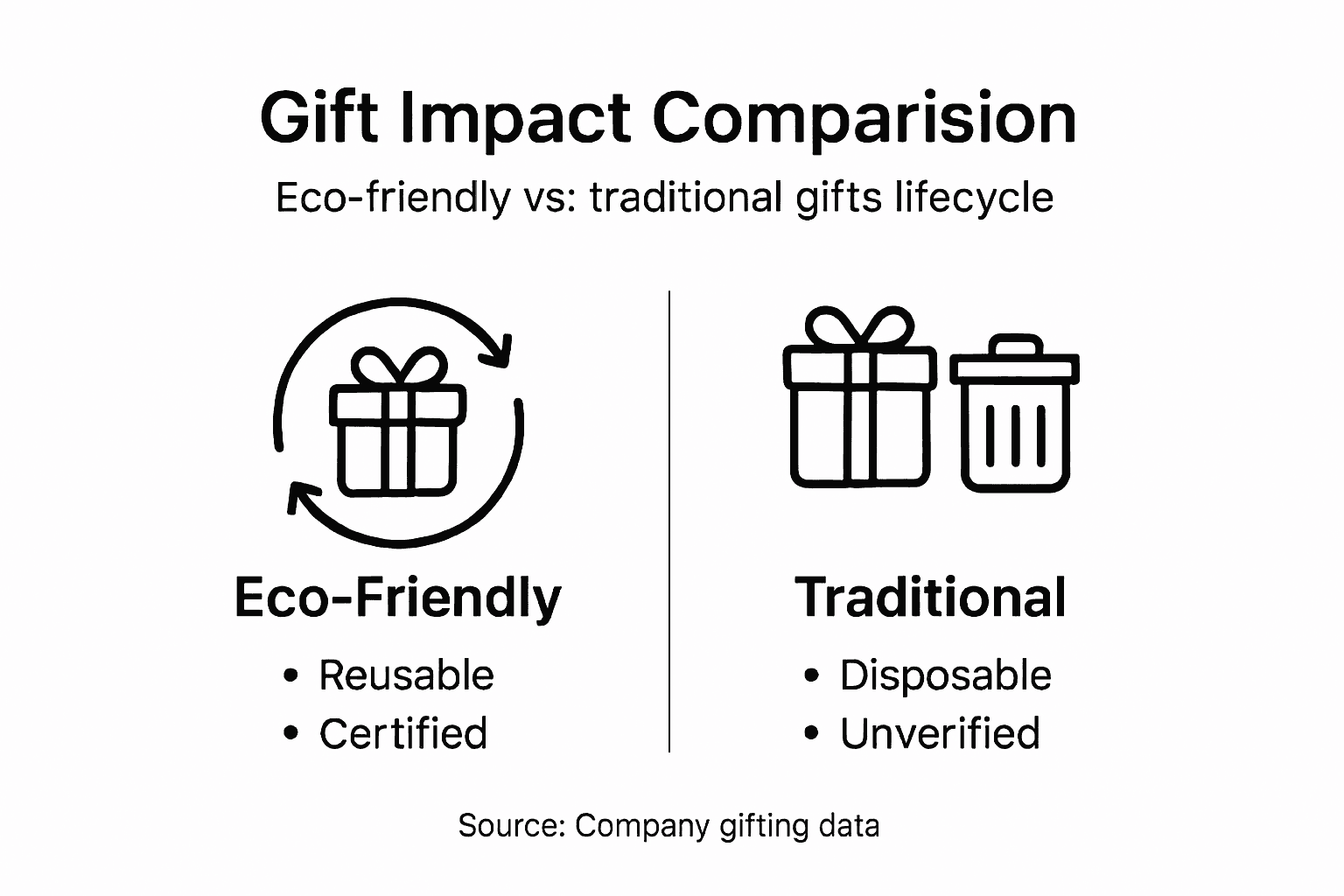
The lifecycle analysis reveals the core difference: traditional gifts maximize environmental harm per unit of lasting value. Eco-friendly gifts flip this equation by maximizing utility and minimizing waste.
The Ethical Labor and Supply Chain Divide
Most traditional corporate gifts come from supply chains optimized for cost reduction, not worker welfare. Fast fashion and disposable goods industries are notorious for labor exploitation, unsafe working conditions, and minimal compensation for workers. When your company gives a traditionally sourced gift, you’re indirectly supporting those practices.
Eco-friendly gifts, by contrast, prioritize transparent and ethical supply chains. Manufacturers with sustainability certifications (B Corp, Fairtrade, Fair Trade Certified) maintain documented labor standards, fair compensation, and safe working conditions. This matters for company values alignment. If your company emphasizes social responsibility in public communications, sourcing gifts from exploitative supply chains contradicts that message.
Employees notice these distinctions. When they research where their gifts come from and discover commitment to fair labor practices, it reinforces company values. When they discover traditional gifts come from questionable sources, it undermines trust and suggests corporate values are performative rather than genuine.
Cost Comparison: Initial Price vs. Total Value
The cheapest gift isn’t the one with the lowest sticker price—it’s the one that provides lasting value and positive brand impact.
Traditional corporate gifts often seem cheaper initially. A basic pen or desktop item might cost half the price of a quality reusable bottle. But this comparison ignores total value. A pen gets lost or stops working within weeks. A recipient never associates it with your company or thinks about it again. You’ve spent money on something generating zero engagement or lasting impact.
Eco-friendly gifts command premium prices because quality, sustainability, and ethical production cost more. But recipients use them daily for years. Every use reinforces your brand, extends the gift’s perceived value, and continues creating positive associations. When you calculate cost per month of actual use, eco-friendly gifts often prove cheaper than traditional alternatives.
Many companies also discover they can manage traditional gifting budgets more efficiently by choosing fewer but higher-quality eco-friendly items instead of generic products for everyone. Strategic gifting to key stakeholders with meaningful sustainable items generates more positive return than distributing cheap trinkets to hundreds of people who discard them immediately.
Cultural Shift: From Disposable to Meaningful
Traditional gifting reflects and reinforces a disposable consumption culture. Get something, use it briefly, discard it, receive something else. Eco-friendly gifting represents a fundamental cultural shift toward mindful consumption and meaningful value. Recipients are expected to actually use and appreciate gifts rather than view them as obligatory corporate transactions.
This cultural change aligns with broader workforce values. Younger professionals especially reject disposable culture. They prefer receiving fewer, higher-quality items they’ll genuinely use over piles of disposable trinkets. Sustainable gifting signals that your company shares this cultural perspective.
Pro tip: When presenting your gifting transition to leadership, frame it as upgrade from low-value disposable items to high-value, long-lasting products that generate sustained brand engagement and stronger recipient satisfaction.
How to Avoid Greenwashing and Common Pitfalls
Greenwashing is the corporate equivalent of counterfeit currency. It looks legitimate on the surface but contains no real value. When you select eco-friendly gifts without proper verification, you risk damaging your company’s credibility far more than if you’d simply chosen traditional gifts and been honest about it. Stakeholders—especially employees and environmentally conscious clients—are increasingly skilled at detecting performative sustainability.
The danger isn’t accidental imperfection. No company achieves perfect sustainability. The danger is deliberate deception or negligent oversight that contradicts your stated values. A gift marketed as “eco-friendly” but manufactured through exploitative labor practices or containing minimal recycled content becomes evidence of hypocrisy rather than commitment. When discovered, these contradictions erode trust more severely than transparency about limitations would.
Red Flags That Signal Greenwashing
Learning to recognize greenwashing patterns protects your company from embarrassing and costly mistakes. Certain marketing language and product characteristics consistently appear in deceptive sustainability claims.
Common greenwashing indicators:
- Vague language: Terms like “green,” “natural,” or “eco-friendly” without specifics about what makes the product sustainable
- Unverified claims: Environmental benefits stated without third-party certification or measurable data
- Hidden trade-offs: Marketing one attribute (recyclable material) while ignoring larger environmental problems (toxic manufacturing process)
- Superficial recycled content: Products labeled “made with recycled materials” that contain minimal percentage of recycled content (sometimes as low as 5%)
- Missing lifecycle information: Discussing only one stage of production while ignoring manufacturing waste, packaging, or disposal challenges
- Fake certifications: Created-sounding logos that mimic legitimate certifications but carry no actual verification
- Absence of supply chain transparency: Manufacturers unwilling or unable to discuss sourcing, production facilities, or labor standards
These red flags appear frequently because they’re effective at deceiving casual observers. Your job is to look beyond marketing language and demand substantiation.
Verification Protocols: Moving Beyond Marketing Claims
Third-party certifications form the backbone of legitimate verification. Actual certifications require independent auditing, documented standards, and ongoing compliance monitoring. They cost money and take time to obtain, which is why greenwashing companies avoid them.
Reputable certifications to look for:
- B Corp Certification: Verified by B Lab, confirms meeting rigorous social and environmental standards with regular audits
- Fairtrade Certification: Verifies fair wages, safe conditions, and community development in supply chains
- FSC (Forest Stewardship Council): Confirms sustainable forestry practices for wood and paper products
- EU Ecolabel: Third-party environmental excellence certification across multiple product categories
- Carbon Trust Standard: Verifies measurement and reduction of carbon footprint
To avoid greenwashing, look beyond marketing claims and verify certifications like B Corp or Fairtrade before finalizing purchases. If a manufacturer can’t provide certification documentation, that’s your answer—move on.
When certifications exist, verify their legitimacy. Search the certification body’s official website and confirm the product actually holds certification. Counterfeit logos are surprisingly common. Legitimate certifications display verification numbers or links allowing you to confirm the claim directly.
Below is a reference table for common third-party sustainability certifications and what they verify:
| Certification | Focus Area | What It Verifies |
|---|---|---|
| B Corp | Social & Environmental | High standards in ethics and impact |
| Fairtrade | Labor & Social Equity | Fair wages and safe conditions |
| FSC | Forestry | Sustainable wood and paper sourcing |
| EU Ecolabel | Environmental Impact | Product life cycle eco excellence |
| Carbon Trust | Climate Impact | Measured carbon footprint reductions |
Beyond certifications, request specific data: recycled content percentage (not just “contains recycled materials”), manufacturing emissions compared to conventional alternatives, waste reduction metrics, and supply chain documentation. Manufacturers willing to provide detailed answers demonstrate genuine commitment. Those offering vague statements or defensive responses are likely hiding something.
Common Pitfalls Even Well-Intentioned Companies Make
Greenwashing isn’t always deliberate deception. Many companies genuinely intend environmental responsibility but stumble through knowledge gaps or supplier complications. Understanding common pitfalls helps you avoid them.
Frequent mistakes include:
- Trusting supplier claims without verification: Your supplier says products are sustainable, but they’ve never been audited or certified
- Assuming recycled content proves sustainability: A product containing 10% recycled plastic is still 90% virgin plastic with associated extraction and manufacturing harm
- Focusing only on materials while ignoring manufacturing: A recycled product manufactured through energy-intensive, polluting processes isn’t actually sustainable
- Neglecting packaging environmental impact: Products arriving in excessive plastic packaging negate material sustainability gains
- Failing to consider full lifecycle: Analyzing only manufacturing while ignoring disposal challenges or long-term usability
- One-time gestures without systemic change: Single sustainable gift initiative while maintaining wasteful practices elsewhere
Authentic sustainability requires systematic commitment across business practices, not performative gestures that contradict broader operations.
The most dangerous pitfall is assuming good intentions substitute for verification. Your company’s reputation depends on actual practices, not intentions. Stakeholders judge you on observable actions and measurable outcomes, not internal motivation.
Building Trust Through Transparent Communication
Once you’ve verified genuine sustainability, communicate transparently about your choices. Explain material sourcing, certifications, environmental benefits, and manufacturing practices. Include this information with gifts through accompanying notes or cards. Transparency builds credibility because it demonstrates confidence in your choices.
Also communicate honestly about limitations. No corporate gift achieves perfect sustainability. Acknowledging that while explaining specific environmental improvements you’ve made demonstrates integrity. Stakeholders respect honesty about imperfection far more than exaggerated claims of sustainability perfection.
Pro tip: Request manufacturers provide written documentation of all sustainability claims, certifications, recycled content percentages, and supply chain practices before purchase—this creates an audit trail protecting your company and preventing accidental greenwashing.
Elevate Your Corporate Gifting with True Eco-Friendly Impact
Choosing gifts that truly reflect your company’s sustainability values can be a challenge. The article highlights common pitfalls like greenwashing and superficial eco claims that may undermine your brand’s credibility and employee trust. Your goal is to select durable, ethically produced, and genuinely sustainable gifts that promote long-term environmental responsibility while engaging your team effectively. This means prioritizing concepts like reusable stainless steel drinkware, transparent sourcing, and certified manufacturing practices.
At FLASKE, we understand these challenges and offer a reliable solution: personalized, sustainable stainless steel water bottles and coffee cups designed for corporate gifting. Our products help you avoid greenwashing traps by emphasizing durability, daily usability, and verified sustainable production. Discover how our eco-friendly drinkware encourages employee engagement and strengthens your company image with meaningful, impactful gifts.
Ready to make a measurable difference in your business gifting? Explore our eco-friendly stainless steel drinkware collection and see how FLASKE’s personalized solutions empower companies to showcase authentic environmental commitment.
Transform your corporate gifts into lasting symbols of sustainability and values-driven leadership. Visit FLASKE now and begin your journey to impactful eco-friendly gifting today.
Frequently Asked Questions
What are eco-friendly gifts?
Eco-friendly gifts are presents designed to minimize environmental impact throughout their entire life cycle, from sourcing materials to production, packaging, and disposal.
How do eco-friendly gifts compare to traditional gifts?
Eco-friendly gifts focus on reducing environmental harm and often use recycled or responsibly sourced materials, while traditional gifts may utilize mass-produced items that contribute to waste and have a shorter lifespan.
What should I consider when choosing eco-friendly gifts for employees?
When selecting eco-friendly gifts, consider factors such as materials sourcing, ethical production, durability, packaging, and end-of-life disposal to ensure the gifts align with your company’s sustainability values.
What are the common myths about eco-friendly gifts?
Some common myths include the belief that eco-friendly gifts are significantly more expensive, lack lasting appeal, aren’t appreciated by employees, or that a single gift can’t make a real environmental impact.