Every branded coffee cup handed to a client or visitor is more than a simple drinkware choice—it is a direct reflection of your company’s values and environmental commitments. As sustainability expectations grow across the global B2B sector, the move to personalized, eco-friendly coffee cups transforms an everyday item into a visible brand statement. This guide uncovers how the right cup design can strengthen corporate identity while delivering real sustainability impact.
Table of Contents
- Defining Branded Coffee Cups And Their Purpose
- Types Of Branded Coffee Cups And Their Features
- Eco-Friendly Materials And Sustainability Impact
- Brand Visibility, Recognition, And Customer Loyalty
- Key Compliance, Safety, And Cost Considerations
Key Takeaways
| Point | Details |
|---|---|
| Branded Coffee Cups as Marketing Tools | Branded coffee cups serve as effective mobile advertising platforms that communicate corporate identity and values to consumers. |
| Material Selection Matters | Choosing eco-friendly materials enhances brand perception and demonstrates a commitment to sustainability, thereby increasing consumer trust. |
| Compliance and Safety Are Crucial | Organizations must navigate complex compliance regulations to ensure consumer safety and maintain brand integrity effectively. |
| Impact on Consumer Relationships | Branded coffee cups foster emotional connections and enhance customer loyalty through effective design and meaningful storytelling. |
Defining Branded Coffee Cups and Their Purpose
Branded coffee cups represent a strategic intersection between marketing communication and product functionality, transforming ordinary drinkware into powerful brand messaging platforms. These customized vessels do more than simply hold beverages - they serve as mobile advertising tools that communicate corporate identity, values, and aesthetic sensibilities directly to consumers.
According to research from the United Nations Environment Programme, branded coffee cups function as complex consumer engagement instruments with multiple strategic purposes:
- Visual brand representation
- Customer retention mechanism
- Mobile marketing channel
- Sustainability communication platform
- Cost-effective promotional medium
The theoretical purpose of branding extends beyond mere visual recognition. Academic research suggests that branded products like coffee cups serve critical psychological functions by signaling product quality and building consumer trust. Marketing theory from economic perspectives indicates that consumers interpret branded drinkware as a guarantee of consistent product attributes and organizational reliability.
Modern branded coffee cups have evolved from simple disposable containers into sophisticated marketing instruments. They now represent a nuanced communication strategy that integrates design, sustainability, and brand narrative. Companies increasingly recognize these cups as opportunities to showcase corporate values, environmental commitments, and creative brand positioning.
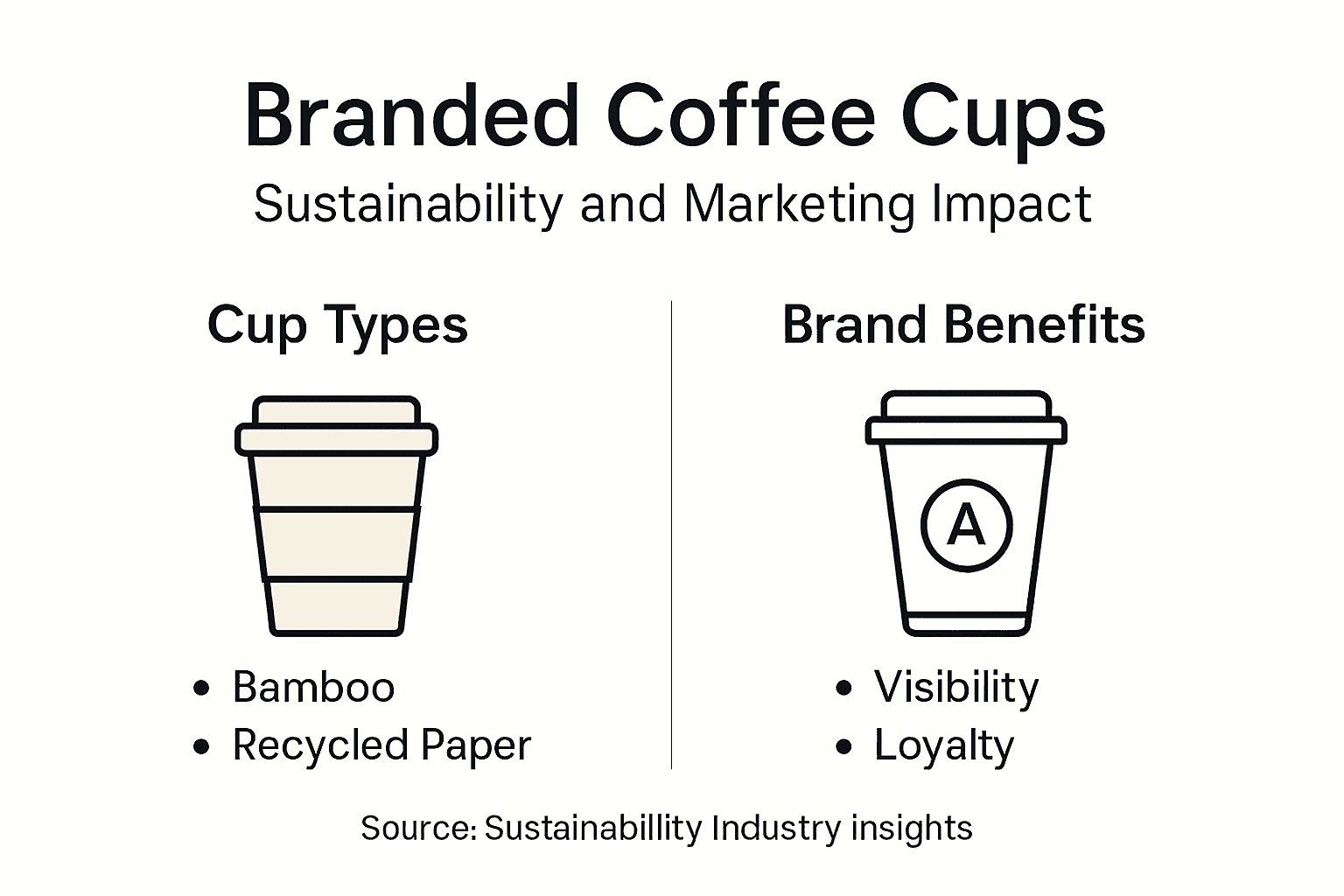
Pro tip: Select branded coffee cup designs that authentically reflect your organization’s core values and sustainability commitments to maximize marketing impact.
Types of Branded Coffee Cups and Their Features
Branded coffee cups encompass a diverse range of materials and designs, each offering unique characteristics for marketing and sustainability objectives. Coffee cup classifications reveal several primary categories that organizations can strategically leverage for brand communication and environmental positioning.
The primary types of branded coffee cups include:
-
Ceramic Cups:
- High-end, premium brand perception
- Excellent heat retention
- Suitable for office and conference settings
- Durable and long-lasting promotional item
-
Stainless Steel Cups:
- Ideal for mobile professionals
- Excellent temperature maintenance
- Highly durable and long-lasting
- Modern, sleek brand image
-
Glass Cups:
- Transparent design
- Eco-friendly perception
- Premium aesthetic
- Perfect for health and wellness brands
-
Disposable Paper Cups:
- Cost-effective marketing medium
- Widespread use in quick-service environments
- Easily customizable printing options
- Short-term brand visibility
Comprehensive cup design research demonstrates that material selection directly impacts brand perception and environmental messaging. The cup material serves as a silent communicator of corporate values, with consumers increasingly valuing sustainable and innovative drinkware choices.

Companies must carefully consider cup features beyond mere aesthetics. Factors like insulation, durability, weight, and environmental impact play crucial roles in determining the effectiveness of branded coffee cups as marketing instruments. Modern branded cups are no longer simple containers but sophisticated communication platforms that reflect organizational identity and commitment to sustainability.
Here’s how primary branded coffee cup types compare in terms of brand and sustainability impact:
| Cup Type | Brand Image Benefit | Durability Level | Environmental Positioning |
|---|---|---|---|
| Ceramic | Upscale, premium appeal | Very high | Reusable, less waste |
| Stainless Steel | Modern, professional look | Extremely durable | Fully recyclable, eco-conscious |
| Glass | Trendy, wellness-oriented | Moderate | Reusable, promotes sustainability |
| Disposable Paper | Accessible, casual branding | Low (single-use) | Recyclable, but short lifespan |
Pro tip: Select branded coffee cup materials that align with your corporate sustainability goals and target audience preferences to maximize marketing impact and brand resonance.
Eco-Friendly Materials and Sustainability Impact
Sustainable marketing through branded coffee cups requires a strategic approach to material selection that balances environmental responsibility with brand communication objectives. Life cycle assessments of beverage cups reveal critical insights into the environmental implications of different material choices.
Key eco-friendly materials for branded coffee cups include:
-
Bioplastic Composites:
- Derived from renewable resources
- Biodegradable alternatives to traditional plastics
- Reduced carbon footprint
- Appealing to environmentally conscious consumers
-
Recycled Paper Fibers:
- Minimizes virgin material consumption
- Reduces waste stream impact
- Lower energy production requirements
- Demonstrates corporate environmental commitment
-
Bamboo-Based Materials:
- Rapidly renewable resource
- Naturally antibacterial properties
- Lightweight and durable
- Low environmental manufacturing impact
-
Stainless Steel with Recycled Content:
- Extremely long-lasting
- 100% recyclable
- Minimal material degradation
- Premium sustainability perception
Scientific research on plastic materials highlights significant environmental concerns, particularly regarding microparticle release from traditional plastic cups. The study underscores the urgent need for innovative, sustainable materials that minimize environmental contamination and potential health risks.
Modern organizations must approach branded coffee cups as more than mere marketing tools. They represent a tangible commitment to environmental stewardship, with material choices serving as a direct communication channel about corporate values and sustainability strategies. By selecting eco-friendly materials, companies can transform ordinary drinkware into powerful statements of environmental responsibility.
Pro tip: Conduct a comprehensive life cycle assessment of your branded coffee cup materials to ensure maximum environmental and marketing effectiveness.
Brand Visibility, Recognition, and Customer Loyalty
Branded coffee cups serve as powerful communication vehicles that extend far beyond traditional marketing approaches. Branding research demonstrates how these seemingly simple items can transform casual consumer interactions into lasting brand relationships through strategic design and messaging.
Key dimensions of brand visibility through coffee cups include:
-
Visual Brand Representation:
- Consistent color schemes
- Strategic logo placement
- Memorable design elements
- Immediate brand recognition
-
Emotional Connection:
- Creates tangible brand experience
- Communicates corporate values
- Triggers positive brand associations
- Enhances consumer perception
-
Mobile Brand Advertising:
- Extended marketing reach
- Cost-effective visibility
- Organic brand exposure
- Multi-location potential
-
Trust and Credibility:
- Signals product quality
- Demonstrates professionalism
- Builds consumer confidence
- Reinforces brand reliability
Purpose-driven marketing strategies reveal that modern consumers seek brands that demonstrate genuine commitment to social and environmental values. Branded coffee cups become more than marketing tools - they transform into meaningful communication platforms that reflect organizational identity and ethical standards.
Successful brand recognition through coffee cups requires a holistic approach that integrates design, sustainability, and authentic storytelling. Companies must view these items as strategic assets that communicate complex brand narratives through subtle yet powerful visual and experiential cues.
Pro tip: Design branded coffee cups that tell a compelling story about your organization’s values and commitment to sustainability.
Key Compliance, Safety, and Cost Considerations
Branded coffee cups involve complex regulatory landscapes that demand strategic navigation across safety, compliance, and economic dimensions. Comprehensive regulatory assessments underscore the multifaceted challenges organizations face when developing sustainable drinkware solutions.
Key compliance and safety considerations include:
-
Material Safety Regulations:
- Food-grade certification requirements
- Toxicity screening protocols
- Chemical migration testing
- International health standards compliance
-
Environmental Compliance:
- Waste reduction mandates
- Recyclability standards
- Carbon footprint limitations
- Sustainable manufacturing guidelines
-
Manufacturing Cost Factors:
- Raw material expense
- Production complexity
- Regulatory certification costs
- Long-term sustainability investments
-
Health Risk Mitigation:
- Nanoparticle release prevention
- Temperature-related material stability
- Consumer safety protocols
- Transparent material composition
Scientific research on microparticle risks highlights critical safety considerations that extend beyond traditional compliance frameworks. Organizations must proactively address potential health risks associated with beverage container materials, transforming regulatory compliance from a mandatory requirement to a strategic competitive advantage.
Successful branded coffee cup programs integrate rigorous safety standards with cost-effective design strategies. This holistic approach requires continuous monitoring of emerging regulations, material science innovations, and consumer health expectations to maintain both regulatory compliance and brand integrity.
Below is a summary of key compliance and safety domains for branded coffee cup programs:
| Compliance Domain | Business Priority | Typical Risk if Ignored |
|---|---|---|
| Material Safety | Protect consumer health | Legal action, damaged trust |
| Environmental Standards | Enhance sustainability | Fines, negative brand image |
| Cost Control | Optimize profitability | Increased expenses, lost margin |
| Health Risk Mitigation | Ensure product safety | Recall, consumer complaints |
Pro tip: Conduct periodic comprehensive material safety audits to ensure your branded coffee cups meet evolving regulatory standards and consumer health expectations.
Elevate Your Brand with Sustainable Branded Coffee Cups
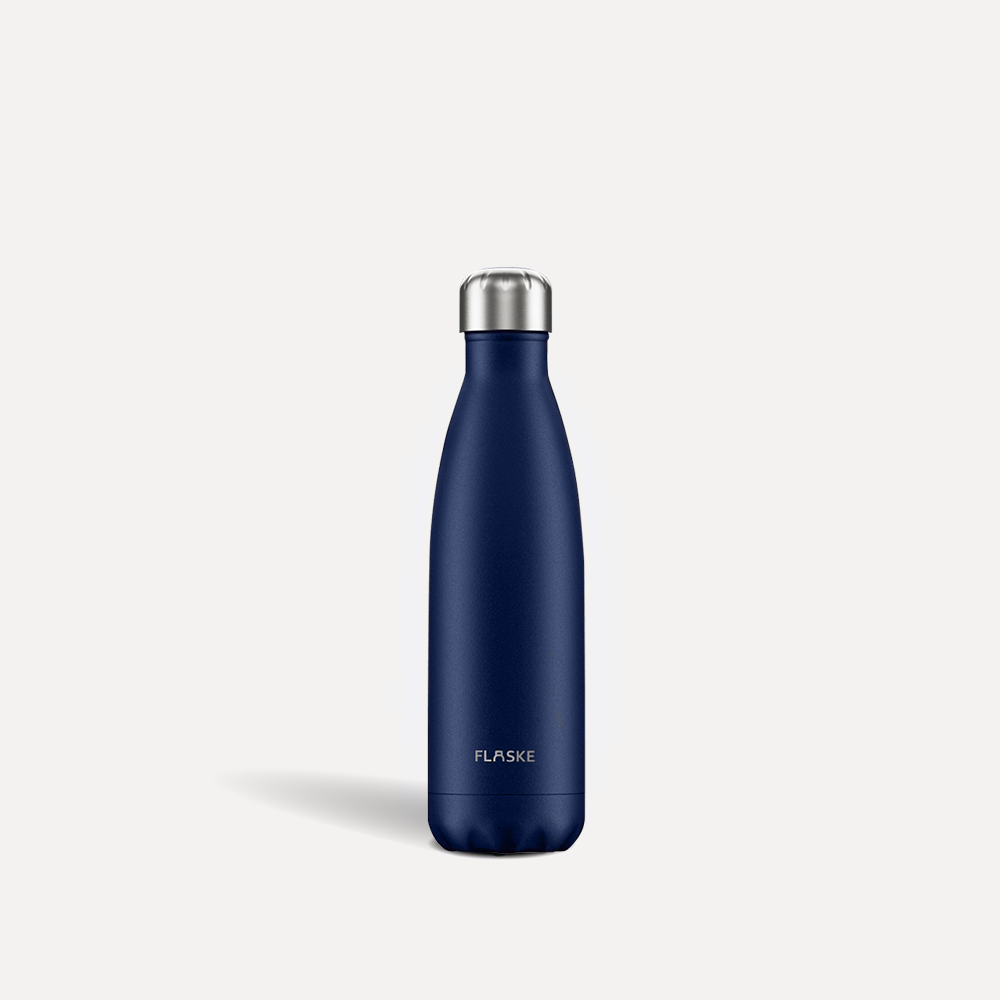
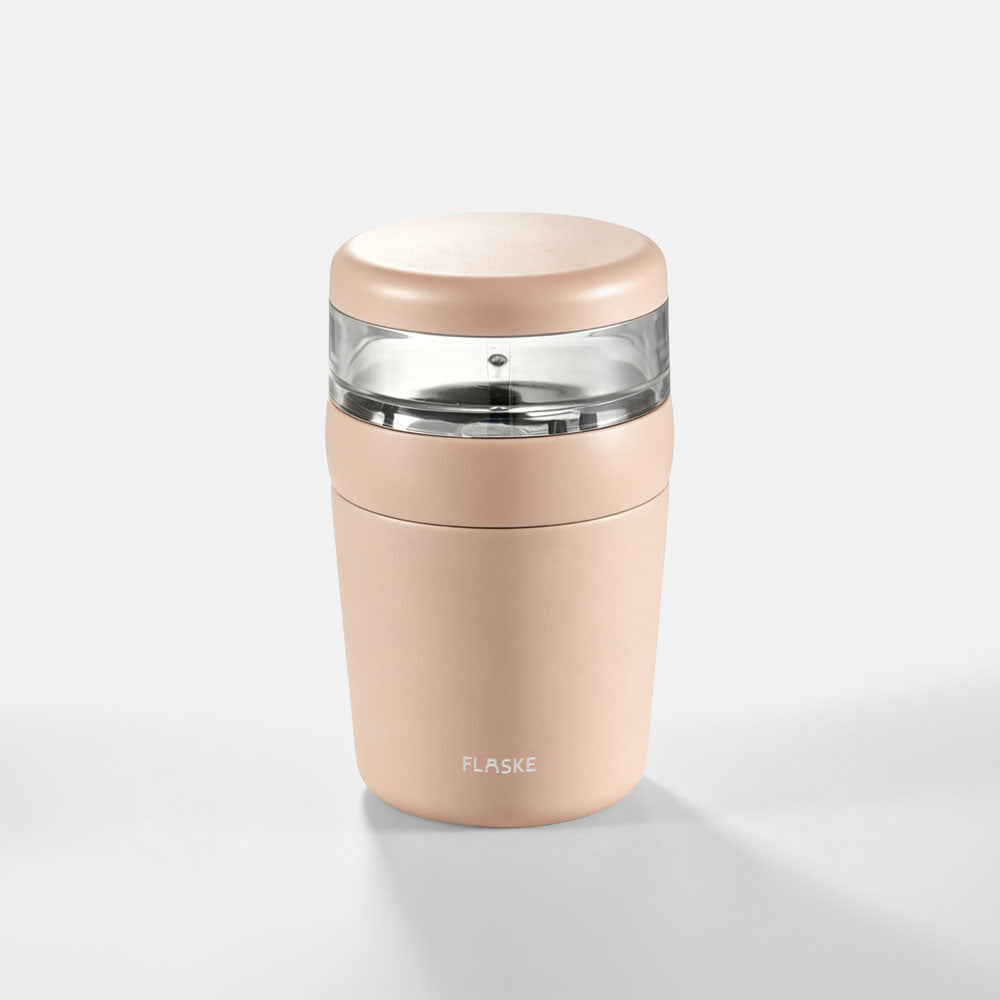
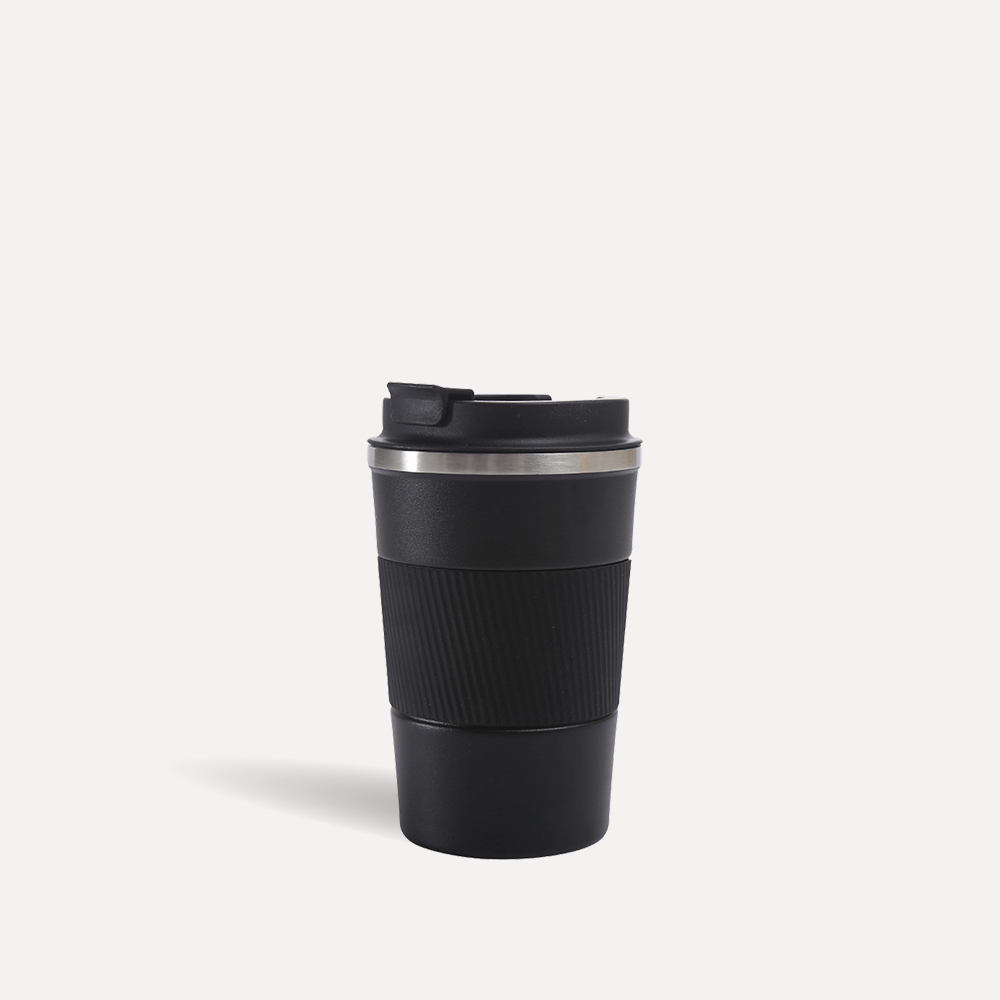
If you value sustainability and want your branded coffee cups to truly reflect your company’s commitment to the environment and quality, FLASKE offers the perfect solution. We understand the challenge of balancing environmental responsibility with powerful brand visibility through drinkware. With our personalized stainless steel coffee cups and tumblers, you can make a lasting impression that speaks to durability, eco-friendliness, and premium design.
Choose from our wide range of customizable options at Cups – Flaske or explore versatile Tumblers – Flaske designed for mobile professionals and eco-conscious consumers alike.
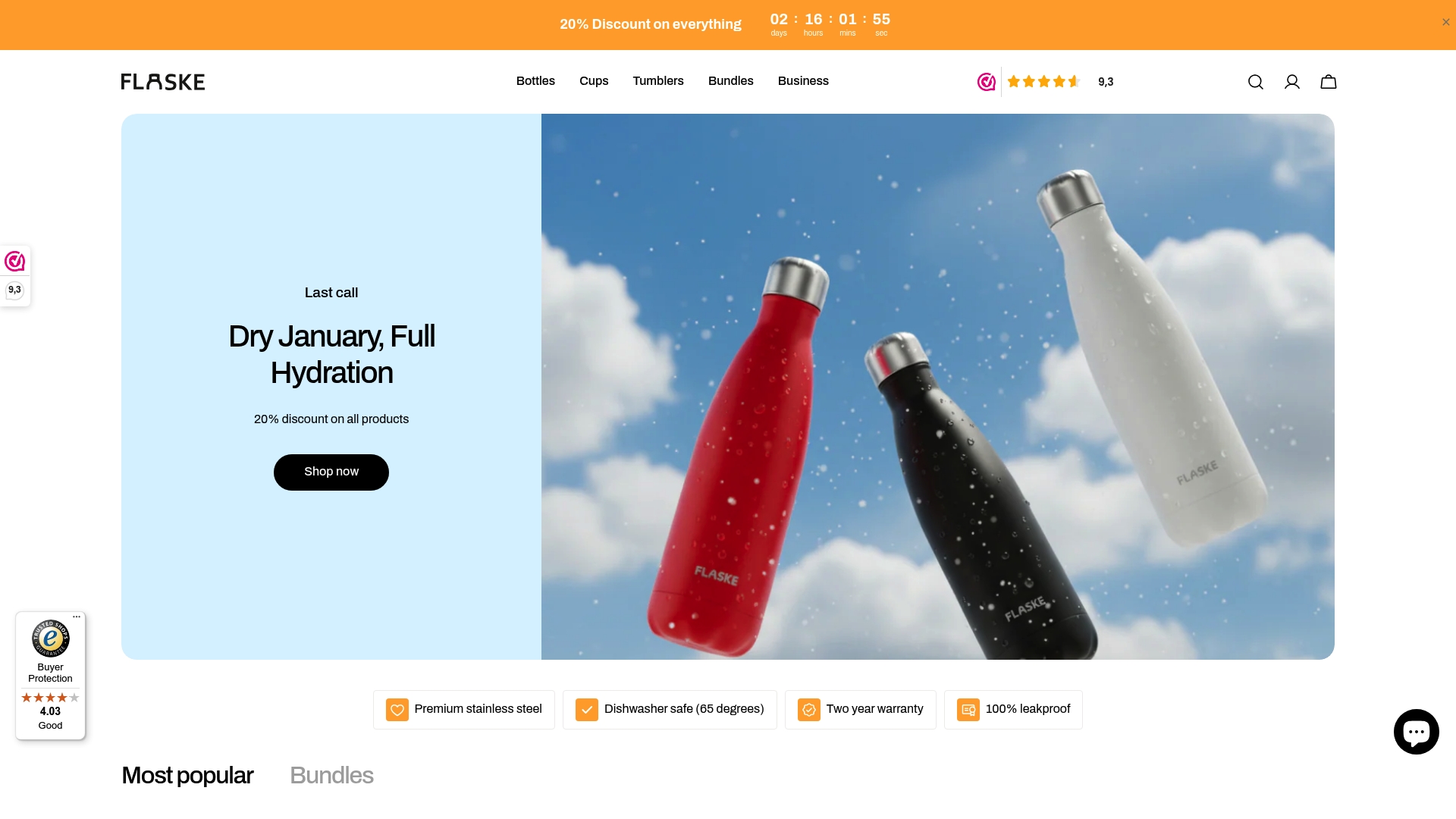
Take action today to transform your branded coffee cups into compelling marketing platforms that align with your sustainability goals. Visit FLASKE now and discover how our durable, eco-friendly drinkware can strengthen customer loyalty, communicate your values, and reduce environmental impact.
Frequently Asked Questions
What are the main benefits of using branded coffee cups in marketing?
Branded coffee cups serve as mobile advertising tools that help communicate corporate identity, build consumer trust, and enhance customer retention while showcasing sustainability commitments.
How do different materials of branded coffee cups impact brand perception?
The material of branded coffee cups can convey various brand images: ceramic cups suggest premium quality, stainless steel offers a modern look, glass promotes eco-friendliness, and disposable paper is more accessible for casual branding.
What eco-friendly materials are commonly used for branded coffee cups?
Common eco-friendly materials for branded coffee cups include bioplastic composites, recycled paper fibers, bamboo-based materials, and stainless steel with recycled content, all of which demonstrate environmental responsibility and consumer appeal.
How can companies align their branded coffee cup choices with sustainability goals?
Companies can select cup materials that reflect their sustainability commitments, conduct life cycle assessments of the materials used, and choose designs that minimize environmental impact to effectively align their branding with eco-friendly initiatives.