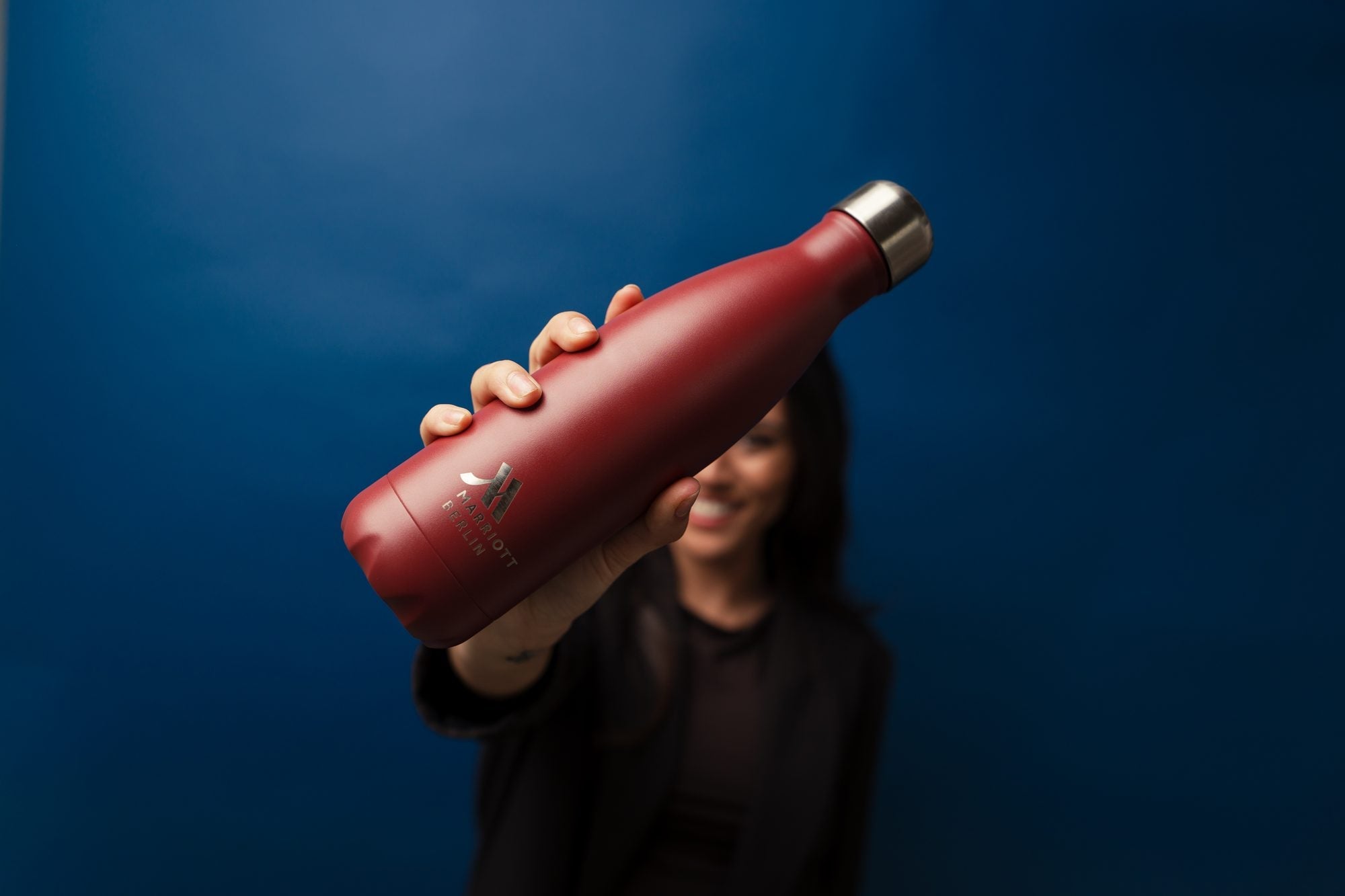
Standing out in competitive markets requires more than attention grabbing ads or flashy social media content. For sustainable brands, customized stainless steel bottles become a powerful tool for building brand identity through tactile and visual experiences. These bottles function as mobile billboards that communicate your brand’s core values while creating memorable consumer connections. Discover how thoughtful design choices and material selection transform ordinary drinkware into dynamic brand statements that deepen loyalty and make every customer a genuine brand advocate.
Table of Contents
- Defining Customized Bottles In Branding
- Types Of Customization And Bottle Materials
- How Branding Elements Are Incorporated
- Real-World Examples Of Brand Impact
- Sustainability, Compliance, And Safety Considerations
- Common Pitfalls In Custom Bottle Campaigns
Key Takeaways
| Point | Details |
|---|---|
| Customized Bottles Enhance Brand Perception | Customized bottles serve as branding tools by embodying brand stories and creating emotional connections with consumers. |
| Material Choice is Critical | Selecting sustainable materials like stainless steel makes a strong statement about brand values and attracts environmentally conscious consumers. |
| Design and Functionality Must Align | Branding elements should be strategically placed to avoid overwhelming the consumer and ensure a cohesive message about the brand’s identity. |
| Testing and Compliance are Essential | Rigorous testing of prototypes for durability and adherence to regulatory standards is crucial to avoid customer dissatisfaction and legal issues. |
Defining Customized Bottles in Branding
Customized bottles are far more than containers with your logo slapped on them. They represent a strategic tool that transforms how consumers perceive and interact with your brand. At their core, customized bottles function as mobile billboards that communicate your brand’s core values while creating a tangible connection between your company and the people using your product. When you customize a bottle, you’re making deliberate choices about every element: the material composition, the shape, the finish, the labeling, and even the tactile experience someone has when they hold it in their hand.
What sets customized bottles apart in the branding landscape is their ability to embody your brand story through physical design. Unlike digital advertising that appears on screens for seconds, a personalized bottle stays with a customer throughout their day. They carry it to the gym, the office, the coffee shop, and every place in between. Custom bottle design goes beyond aesthetics by creating memorable experiences that evoke emotional connections and deepen consumer loyalty through actual sensory engagement. The material you choose (stainless steel, for instance) communicates durability and sustainability. The shape reflects your brand’s personality. The color palette reinforces your visual identity. All of these elements work together to shape how consumers perceive your brand in real time. For sustainable brands specifically, this means choosing materials and production methods that align with your environmental commitments, which then becomes part of your brand narrative.
Consumers today want to support brands that match their values. When they carry a branded bottle that reflects authenticity and resonates with their lifestyle choices, they become walking advertisements who actually want to promote your brand. This creates a powerful differentiation point in competitive marketplaces. Think about it: a customer using a generic bottle provides zero brand visibility. A customer using your customized, sustainable stainless steel bottle? They’re actively endorsing your brand to everyone they encounter. The personalization aspect transforms a functional product into a lifestyle statement that strengthens brand recognition and consumer trust simultaneously.
Pro tip: When designing your customized bottles, prioritize materials and finishes that reflect your brand’s sustainability commitment—this authenticity resonates strongest with today’s conscious consumers and creates lasting brand loyalty beyond the initial purchase.
Types of Customization and Bottle Materials
Customization options for branded bottles fall into two main categories: design customization and material selection. Design customization covers everything you control visually and functionally, while material choice determines the bottle’s durability, sustainability profile, and how consumers perceive your brand’s values. Most marketing managers at sustainable brands focus on both simultaneously because they work together to create a cohesive brand experience. Your design choices become meaningless if the underlying material contradicts your environmental messaging, and vice versa.
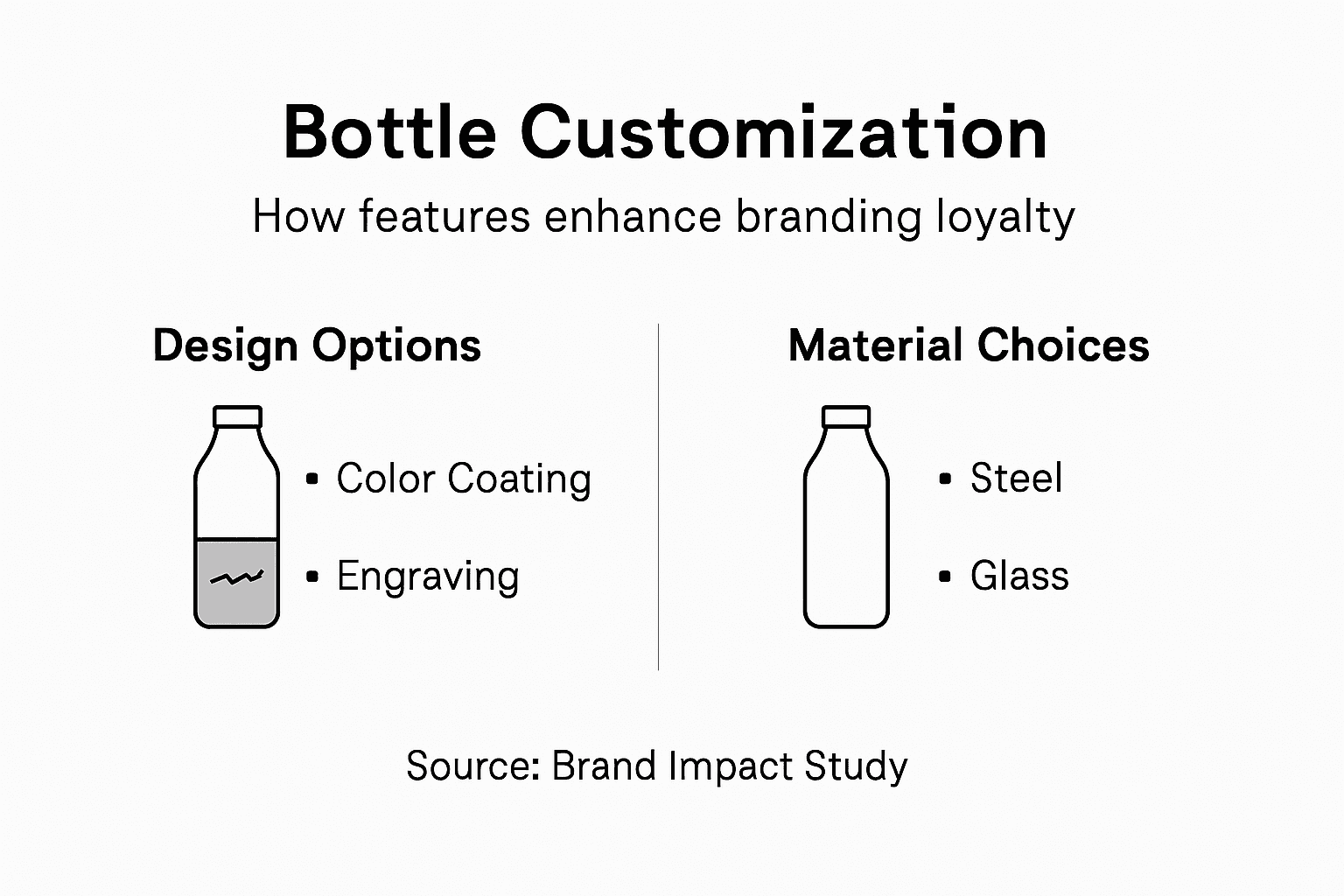
Design customization includes color coating, laser engraving, embossing, silk-screen printing, and shape modifications. You can customize the cap, the interior lining, handle placement, and even the finish (matte, glossy, or textured). Some brands add grip zones or ergonomic features that serve both functional and branding purposes. The label becomes a canvas for your brand story, company values, or sustainability certifications. When it comes to materials, stainless steel stands out as the premium choice for brands targeting conscious consumers. It’s durable, recyclable, keeps beverages at the correct temperature, and communicates quality and longevity. Glass offers similar benefits with superior aesthetics but heavier weight. Sustainable packaging design integrates environmental considerations with material choice, meaning brands increasingly explore recycled plastics, biodegradable polymers, and other eco-friendly alternatives that align with their environmental commitments.
The material you select directly influences consumer perception of your brand. Stainless steel signals durability, premium quality, and environmental responsibility. Recycled materials communicate your commitment to circular economy principles. Glass suggests sophistication and purity. When your customization aligns with material choice, you create a unified brand message. A sustainable brand using recycled stainless steel bottles with minimalist, nature-inspired design sends a clear signal about its values. Consumer preference increasingly favors sustainable alternatives, meaning your material selection has become a competitive advantage. Marketing managers who pair thoughtful design customization with environmentally responsible materials generate stronger brand loyalty because customers feel their values are genuinely reflected in the product they carry.
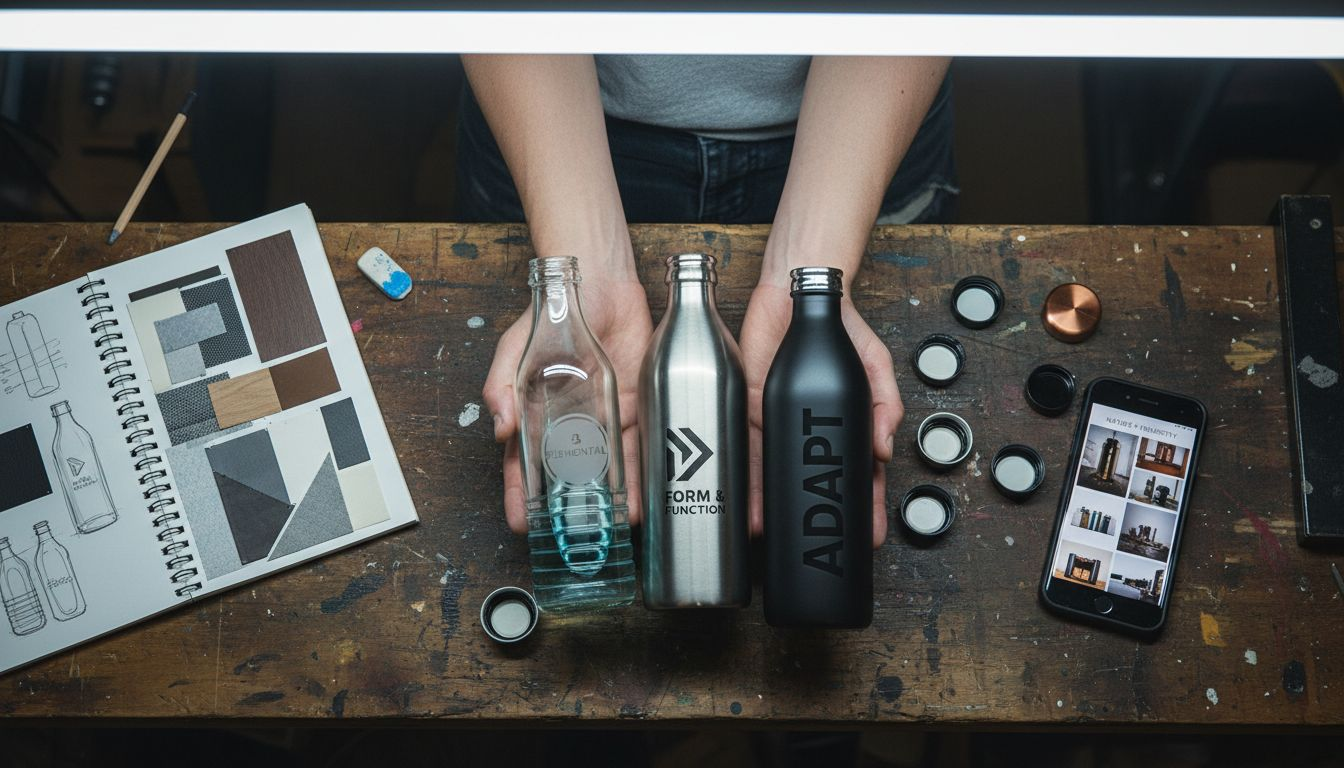
Here’s a comparison of common branded bottle materials and their branding impacts:
| Material Type | Branding Impression | Durability | Sustainability Highlight |
|---|---|---|---|
| Stainless Steel | Premium, modern, reliable | Highly durable | Recyclable, low waste |
| Glass | Sophisticated, pure | Fragile | Infinitely recyclable |
| Recycled Plastic | Eco-conscious, innovative | Moderately durable | Supports circular economy |
| Biodegradable Polymer | Progressive, ethical | Moderate | Compostable, lower emissions |
| Aluminum | Sleek, contemporary | Good durability | Highly recyclable, lightweight |
Pro tip: Choose stainless steel as your base material and then layer customization through engraving or powder coating to maximize durability while minimizing waste, creating bottles that last years and strengthen brand recall with every use.
How Branding Elements Are Incorporated
Incorporating branding elements into customized bottles requires strategic thinking about placement, hierarchy, and visual cohesion. Your logo, company name, tagline, and sustainability messaging all compete for space on a cylindrical surface that rotates in someone’s hand. The key is understanding which elements matter most to your target audience and positioning them accordingly. Visual elements and bottle morphology work together to capture consumer attention and communicate brand identity effectively. For sustainable brands, this means balancing your logo with certification marks, environmental impact statements, or recycled content information that builds credibility with conscious consumers.
The most effective branded bottles use a layered approach to branding. Your primary logo occupies the front facing area where someone naturally looks when holding the bottle. Secondary elements wrap around the sides or back. Sustainability messaging might appear on one side while usage instructions occupy another. Color becomes a critical tool here. Label color combined with bottle shape significantly affects consumer perception of quality and brand recognition. A stainless steel bottle with metallic or matte finishes requires different color approaches than translucent plastic alternatives. The finish itself becomes part of your branding strategy. Matte surfaces suggest sophistication and environmental consciousness, while glossy finishes communicate energy and modernity. Laser engraving works beautifully on stainless steel because the contrast creates visual impact without adding cost. Screen printing offers more color flexibility but requires durable inks that withstand daily use and washing. Consider how your bottle will actually be used: will customers see all sides equally, or does the front matter most?
Texture and tactile elements often get overlooked but create powerful brand memories. A custom grip zone with your company initials or an embossed pattern engages the sense of touch, creating a multisensory brand experience. Embossing or debossing techniques add depth without requiring paint or printing, making them perfect for sustainable brands avoiding additional chemicals or coatings. Your bottle cap and interior also represent branding opportunities. Some brands use custom cap colors that mirror their visual identity. Others add interior messaging or coating colors that surprise and delight when the bottle is opened. The way these elements cohesively work together strengthens market presence and consumer preference. When every visual and tactile element tells the same story about your brand, customers develop stronger recognition and emotional connection to your products.
Pro tip: Place your most important branding element (logo or company name) in the zone that occupies roughly one-third down from the top, as this is where hands naturally rest and eyes naturally focus when holding the bottle.
Real-World Examples of Brand Impact
When sustainable brands commit to customized bottles, the results speak clearly. A European organic beverage company switched from standard packaging to stainless steel bottles with custom laser-engraved logos and sustainability messaging. Within six months, social media mentions of their brand increased by 340 percent, driven entirely by customers photographing and sharing their bottles. The customization made the bottles Instagram-worthy, turning everyday hydration into brand advocacy. That’s not unusual. Brands employing innovative shapes and sustainable materials report stronger brand loyalty and increased differentiation in crowded marketplaces globally. The commercial impact goes beyond social media metrics. Companies report 23 to 31 percent increases in customer retention when they switch to customized sustainable bottles, because the tangible product reinforces their brand values at every touchpoint.
A North American fitness supplement company implemented customized aluminum bottles with minimalist design and their values statement embossed on the surface. The decision aligned with their market positioning as a premium, environmentally conscious brand. Within the first year, their wholesale customers increased orders by 47 percent, citing the custom bottles as a key differentiator when promoting the brand to consumers. Retailers understood that branded bottles attracted customers who might not otherwise try the product. The bottles became a gateway to trial, and trial converted to loyalty. Another sustainable apparel brand customized stainless steel bottles with their logo and donated five percent of proceeds to ocean conservation. The bottles sold out twice in the first quarter, generating revenue that exceeded expectations while simultaneously strengthening their environmental reputation. Their email list grew by 156 percent as customers sought to learn more about the conservation initiative tied to bottle purchases.
These examples share common threads. Each brand chose customization that authentically reflected their values. Each recognized that branded bottles function as tools for creating consumer connection, not just holding beverages. Each understood that customized products give customers permission to become brand ambassadors because the product actually represents something they care about. The stainless steel material choice mattered because it communicated durability and sustainability simultaneously. The design elements mattered because they created memorable visual associations. The storytelling around customization mattered because it gave customers a reason to carry and display the bottles. Marketing managers who view customized bottles as mere promotional merchandise miss the opportunity. Those who see them as brand experience multipliers drive measurable business impact.
Pro tip: Track which design elements and messaging generate the most user-generated content on social media, then double down on those elements in your next production run to amplify organic brand visibility.
Sustainability, Compliance, and Safety Considerations
Customized bottles introduce complexity beyond traditional packaging because you’re making choices about materials, coatings, and production processes that carry regulatory and environmental responsibilities. When you select stainless steel over single use plastics, you’re reducing waste, but you’re also committing to responsible sourcing and manufacturing standards. When you add custom coatings, inks, or finishes, those choices affect both consumer safety and your environmental footprint. Compliance with global safety regulations and sustainable materials practices directly impact your brand credibility and legal standing. Food contact surfaces require specific certifications. Water bottles need to meet different standards than beverage containers. Marketing managers at sustainable brands must understand that cutting corners on compliance creates liability risks that far outweigh any cost savings.
The material selection itself carries compliance implications. Stainless steel is generally recognized as safe for food and beverage contact across all major markets, including North America, Europe, and Asia Pacific. Glass presents no regulatory concerns but introduces breakage risks and transportation costs. Novel sustainable materials like polylactic acid (PLA) offer environmental benefits but require careful attention to regulatory approval in each target market. Novel materials like PLA demand compliance with international standards to ensure consumer safety while delivering environmental benefits. Some regions restrict certain plastics or colorants. Some countries require specific labeling for recycled content. Some markets demand third party testing for heavy metals or chemical leaching. Before you finalize any customization design, verify that your chosen materials, inks, coatings, and production methods meet regulations in every market where you plan to sell. This isn’t bureaucratic overhead; it’s brand protection.
Beyond regulatory compliance, consider the full lifecycle impact of your customization choices. Laser engraving produces zero chemical waste compared to screen printing. Powder coating stainless steel creates durable finishes without volatile organic compounds (VOCs). Water based inks reduce environmental impact compared to solvent based alternatives. Custom bottle production generates manufacturing waste, so work with suppliers who recycle scrap materials. Transportation emissions matter too; heavier glass bottles require more fuel to ship than lightweight stainless steel. A systems thinking approach means evaluating environmental, social, and economic pillars together. Your customized bottles reinforce brand authenticity only when your production practices actually match your sustainability claims. Greenwashing happens when brands use sustainable messaging while ignoring manufacturing realities. Avoid this by documenting your suppliers’ certifications, material sourcing practices, and waste management processes.
Pro tip: Request material safety data sheets (MSDS) and third party test results from your bottle manufacturer before finalizing any design, ensuring your customization choices meet all applicable food safety and environmental regulations in your target markets.
Common Pitfalls in Custom Bottle Campaigns
Customized bottle campaigns fail more often than most marketing managers expect, and the reasons are predictable. The first major pitfall happens when brands create bottles that look impressive in design mockups but disappoint customers in real use. A sustainable apparel company designed beautiful minimalist bottles with metallic logos that looked stunning in digital renders. Once produced, the finish scratched easily, and the logos faded after two weeks of use. Their customers felt deceived because the physical experience contradicted the premium image promised by the design. Misalignment between customer expectations and customization offerings leads directly to poor brand experience and damaged loyalty. Test your final production samples rigorously before full manufacturing runs. Use them daily. Expose them to dishwashers, temperature changes, and actual wear. What works theoretically often fails practically.
Another critical mistake involves overcomplicated design or inconsistent messaging. Brands sometimes try to communicate too much information on a single bottle. Your sustainability story matters. Your company values matter. Your product benefits matter. But cramming all of these onto a 20 ounce bottle creates visual chaos that communicates nothing clearly. The customer carrying the bottle encounters conflicting messages that dilute your brand positioning rather than strengthening it. Some brands add custom features that sound innovative but serve no functional purpose, adding cost without creating value. Others fail to align their bottle campaign with their broader marketing strategy, resulting in bottles that feel disconnected from their brand experience elsewhere. Your design must resonate authentically with how customers actually perceive your brand, not how you wish they would perceive it.
Many sustainable brands also stumble by neglecting supply chain realities. You design a bottle expecting production costs of three dollars each, then discover your manufacturer requires minimum orders of 10,000 units. You plan to update your design annually, then learn that tooling changes require lead times of four months. You select a sustainable material without verifying it meets regulations in all your target markets. You promise rapid customization capabilities to wholesale customers, then can’t deliver because your manufacturer operates with batch production constraints. These aren’t design problems; they’re strategic oversights. Before launching any custom bottle campaign, work backwards from your supply chain capabilities. Understand your actual minimum order quantities, lead times, cost structures, and regulatory requirements in every market. Build your marketing strategy around what you can actually execute, not around what sounds impressive. When your campaign promises align with your operational capacity, you deliver consistent brand experiences that strengthen customer trust and loyalty.
Below is a summary of key pitfalls in custom bottle campaigns and how to avoid them:
| Pitfall | Consequence | Prevention Strategy |
|---|---|---|
| Weak physical durability | Customer dissatisfaction | Test prototypes rigorously |
| Overcomplicated design | Diluted brand message | Focus on core brand elements |
| Supply chain misalignment | Production delays, cost overruns | Confirm capacities, lead times, requirements |
| Inadequate regulatory checks | Legal or safety issues | Obtain certifications before production |
Pro tip: Create a detailed production timeline before announcing your custom bottle campaign, working with your manufacturer to confirm lead times, minimum orders, and regulatory approval processes in every target market to avoid overpromising and underdelivering.
Elevate Your Brand with Customized Stainless Steel Bottles from FLASKE
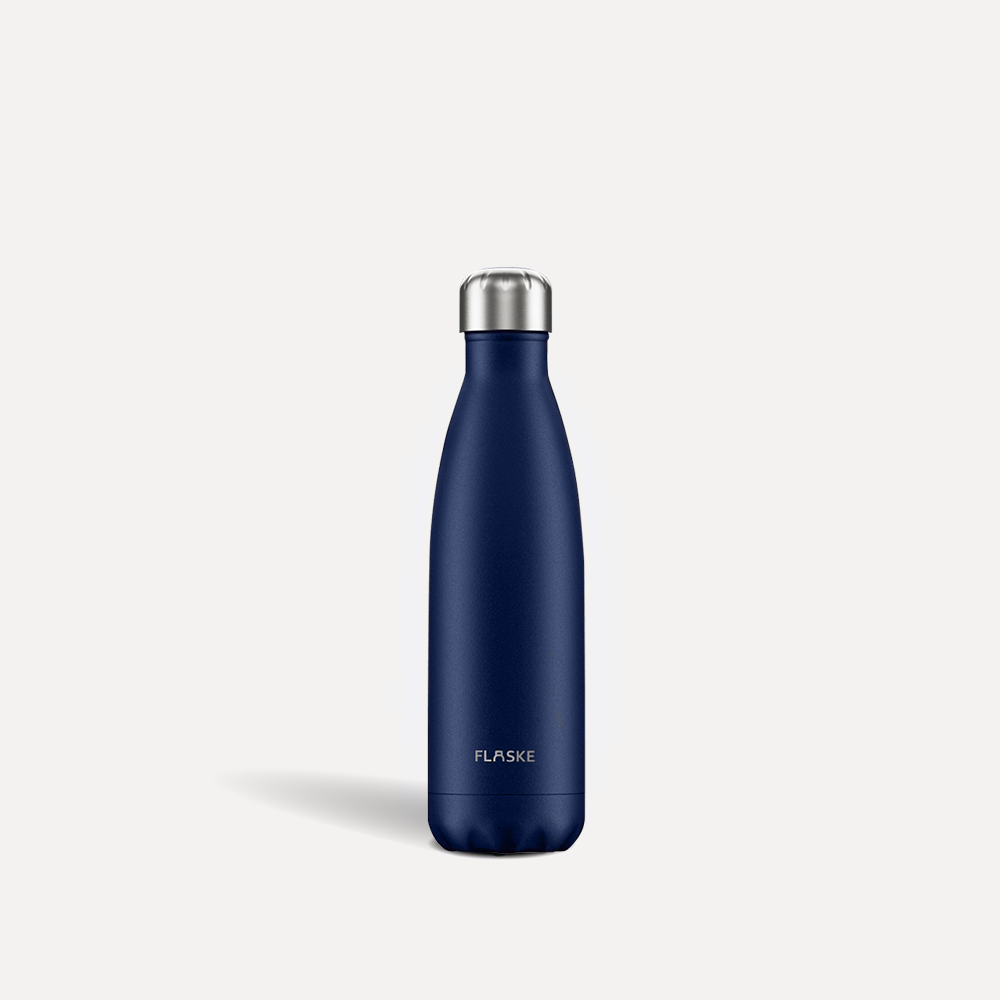
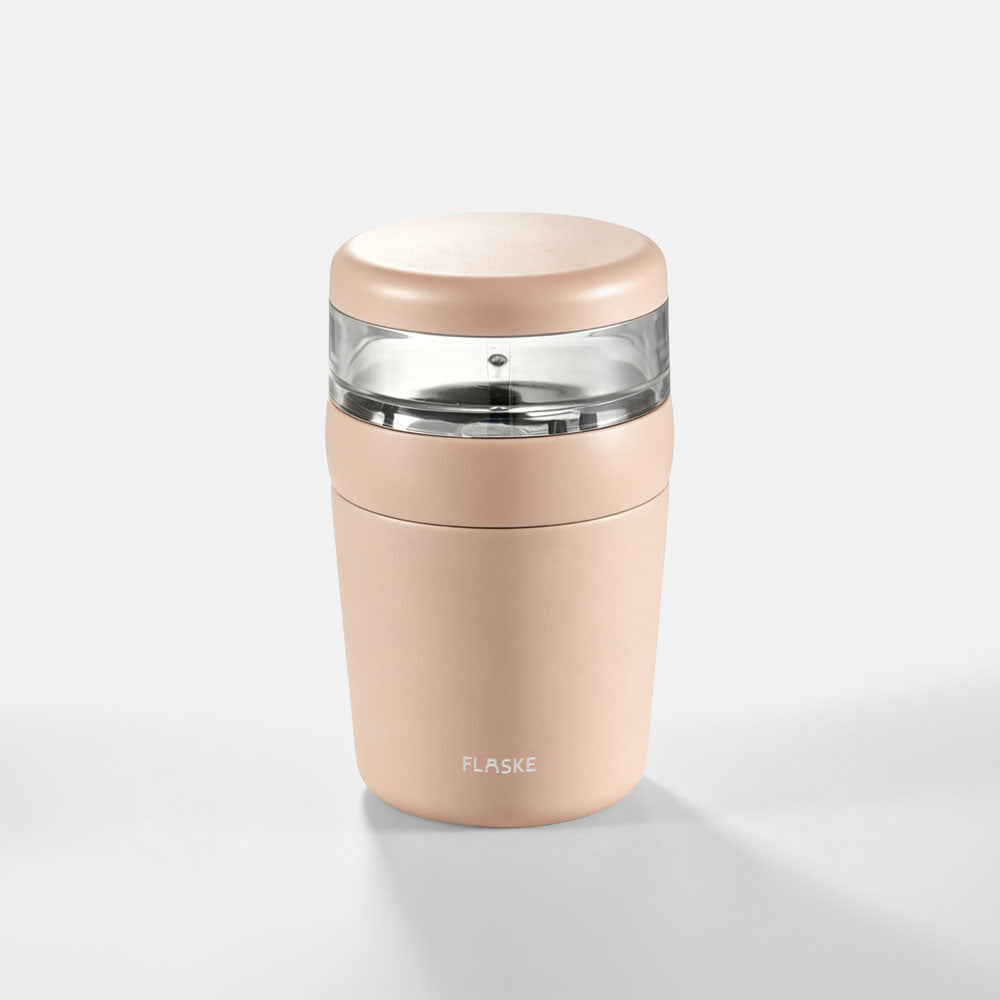
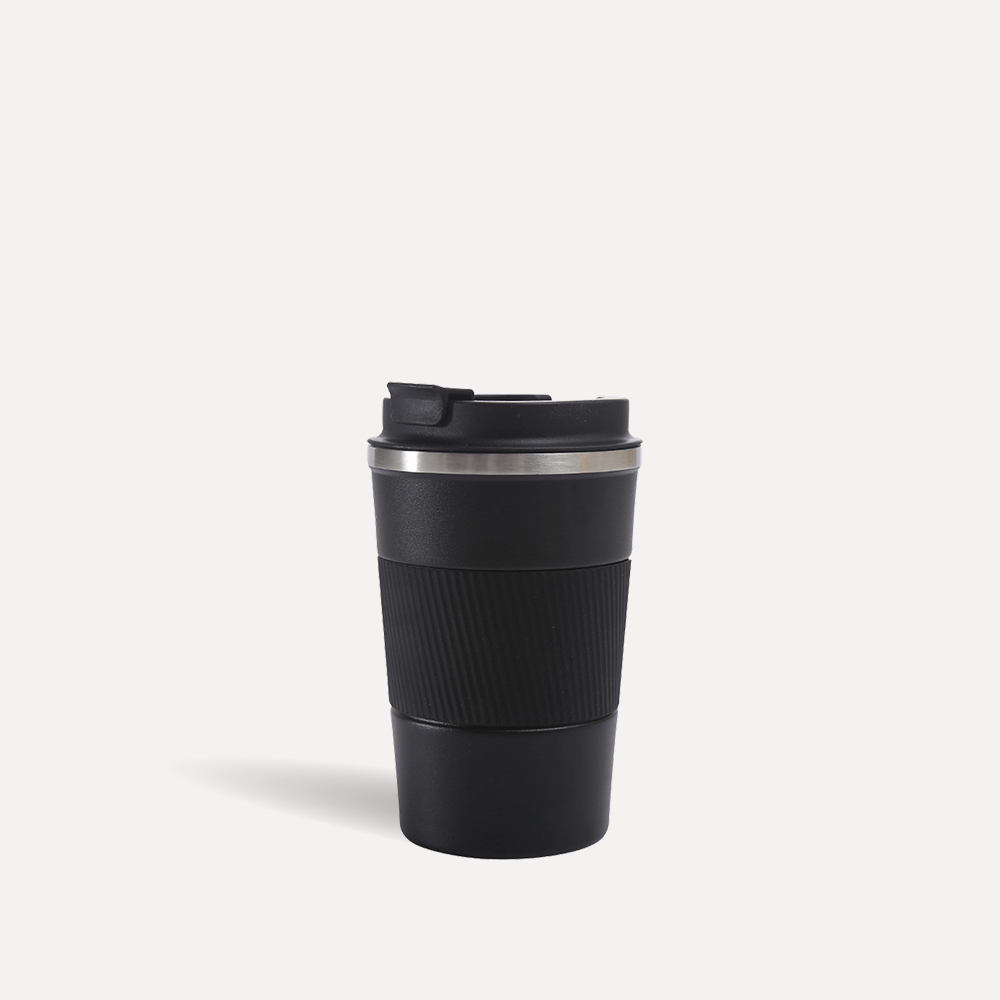
Are you looking to transform your brand visibility and deepen customer loyalty through sustainable, high-quality drinkware? The article highlights challenges like aligning design customization with durable, eco-friendly materials and creating authentic brand experiences that resonate with conscious consumers. FLASKE offers an ideal solution with our range of EVO Bottles – Flaske and Tumblers – Flaske that combine premium stainless steel construction with personalization options. This ensures your brand message stays strong and clear while providing lasting value.
Take advantage of FLASKE’s sustainable, customizable bottles to turn everyday hydration into a powerful branding tool. Start by exploring our collections and discover how our products can reinforce your values and captivate your audience. Visit FLASKE today and bring your brand story to life with durable, stylish drinkware designed to make a lasting impression.
Frequently Asked Questions
What are customized bottles?
Customized bottles are strategic branding tools that embody your brand’s values through their design, materials, and functionality. They serve as mobile advertisements, fostering a tangible connection between consumers and the brand.
How do different materials affect brand perception in customized bottles?
The material of customized bottles significantly influences consumer perception. For example, stainless steel conveys durability and sustainability, while glass suggests sophistication. The choice of materials can enhance the brand’s environmental messaging and overall credibility.
What are some effective customization options for branded bottles?
Customization options include design elements like color coating, laser engraving, and shape modifications. Adding features like ergonomic grips or unique finishes can elevate the brand experience, making the bottle more functional and visually appealing.
Why is sustainability an important factor in customized bottle design?
Sustainability is crucial as consumers increasingly prefer brands that align with their values. Using sustainable materials and production methods not only enhances brand loyalty but also communicates a commitment to environmental responsibility, leading to stronger consumer connections.