


Finding the right people for your green message can feel complex when socially-conscious buyers are more diverse than ever. For European marketing managers, reaching eco-conscious audiences means understanding why different groups care about sustainability and what inspires them to take action. By focusing on eco-conscious audience segmentation and their unique motivators, you set the stage for authentic connections and smarter, more effective product promotion.
Table of Contents
- Step 1: Identify Target Eco-Conscious Audiences
- Step 2: Analyze Competitors and Market Trends
- Step 3: Define Compelling Green Value Propositions
- Step 4: Tailor Messaging To Highlight Sustainability
- Step 5: Select Effective Green Marketing Channels
- Step 6: Measure And Refine Product Positioning
Quick Summary
| Key Point | Explanation |
|---|---|
| 1. Identify specific eco-conscious audiences | Segment your market based on motivations such as environmental impact, social influence, or financial benefits to connect effectively. |
| 2. Analyze competitors and market trends | Examine competitors’ strategies and market dynamics to find gaps and opportunities for effective positioning in sustainability. |
| 3. Define compelling green value propositions | Articulate specific benefits of your product that address consumer needs while also emphasizing environmental impacts to differentiate from competitors. |
| 4. Tailor messaging for target segments | Customize your messaging to resonate with the unique values and concerns of each audience segment for improved engagement. |
| 5. Measure and refine your strategy | Track key performance metrics related to your positioning efforts and adjust based on feedback and data to ensure ongoing relevance and effectiveness. |
Step 1: Identify target eco-conscious audiences
You’re about to move beyond generic marketing and zero in on the people who actually care about sustainability. Identifying your target eco-conscious audience is where effective green product positioning begins, because not all consumers who buy sustainable products think the same way or respond to the same messaging. This step transforms vague assumptions into actionable audience segments you can genuinely connect with.
Start by understanding what drives your potential customers. Some people purchase eco-friendly products because they feel genuinely responsible for environmental impact. Others are motivated by social influence, wanting to align with their peer groups or demonstrate their values to others. Still others calculate the long-term financial benefit. These motivations matter more than you might realize. Research on eco-conscious consumer segmentation reveals that consumers who feel personally responsible and motivated are significantly more willing to pay premium prices for sustainable alternatives. Your messaging needs to address these specific psychological drivers rather than speaking about sustainability as if everyone cares about it equally.
Next, segment your audience based on observable characteristics and behaviors. Look at your European market and ask yourself: Which companies or consumers already demonstrate commitment to environmental values? Are they younger professionals building corporate social responsibility programs? Are they established organizations looking to rebrand around sustainability? Do they respond to transparent supply chain information? Do they care more about plastic reduction or carbon neutrality? Personalized communication strategies aligned with different consumer motivations prove far more effective than one-size-fits-all campaigns. Create basic audience profiles for each segment you identify. One segment might prioritize the elimination of single-use plastics and respond to clear environmental impact metrics. Another might focus on corporate gifting that communicates their sustainability values to clients and employees. Your stainless steel drinkware actually serves both audiences differently, which means your positioning changes dramatically depending on who you’re addressing.
Don’t forget to monitor how your audience preferences evolve. Sustainability expectations shift as regulations change, generational values evolve, and consumer awareness increases. The eco-conscious audience you target today may have different priorities next year. Set up simple tracking mechanisms to watch how engagement changes across your segments. Which messaging resonates? Which audiences grow? Which decline? This ongoing observation keeps your positioning relevant and effective over time rather than stale and disconnected from actual customer needs.
Here is a summary of distinct eco-conscious audience segments and their main purchase motivators:
| Audience Segment | Key Motivator | Example Need |
|---|---|---|
| Personally Responsible | Environmental impact reduction | Clear carbon footprint data |
| Socially Influenced | Peer alignment and image | Visible branding, social proof |
| Financially Driven | Long-term savings | Durable, cost-effective products |
| Corporate Buyers | Measurable business results | Impact metrics for stakeholder reports |
| Gift-Givers | Alignment with recipient values | Products that signal sustainability |
Pro tip: Interview 10 to 15 existing customers from different European markets about why they chose your products, what sustainability issues matter most to them, and which messaging convinced them to switch from competitors. This qualitative data cuts through assumptions and gives you real quotes and insights to build your segment profiles around.
Step 2: Analyze competitors and market trends
Understanding what your competitors are doing and where the market is heading gives you a massive advantage when positioning eco-friendly products. This step helps you identify gaps in the market, understand what messaging actually resonates with consumers, and spot trends before they become obvious to everyone else. You’re not copying competitors, you’re learning from them to position your products more strategically.
Start by mapping out your direct and indirect competitors. Direct competitors sell similar stainless steel drinkware and sustainable products. Indirect competitors might include brands selling plastic bottles or conventional drinkware that eco-conscious buyers are considering as alternatives. Visit their websites, follow their social media, read their product descriptions, and study their pricing strategies. What language do they use? How do they communicate sustainability? Do they emphasize durability, recyclability, carbon footprint reduction, or ethical manufacturing? Pay close attention to which competitors gain traction with European audiences specifically. Are they emphasizing certifications? Supply chain transparency? Community involvement? Authenticity, transparency, and innovation strengthen consumer trust and loyalty far more than generic sustainability claims. Notice which competitors lean into these elements and which ones fall flat.
Next, look at broader market trends affecting sustainable product positioning. Regulatory changes matter here. European Union regulations around plastic reduction, extended producer responsibility, and sustainability reporting are reshaping how brands operate. Consumer preferences shift based on these regulations and cultural awareness. What were niche concerns three years ago are now mainstream expectations. Are consumers increasingly asking about carbon neutrality in shipping? Are they demanding proof of ethical labor practices? Transparency and education build consumer trust and foster environmental responsibility while also helping you align marketing strategies with evolving consumer perceptions. Track these conversations in industry publications, consumer forums, and sustainability reports. Notice which companies get called out for greenwashing and which ones genuinely lead on sustainability. This tells you exactly what positions are currently credible versus risky.
Analyze how competitors leverage digital marketing to reach green consumers. Where are they showing up? LinkedIn for B2B corporate gifting? Instagram for lifestyle positioning? Sustainability focused websites and communities? What kind of content engages their audiences most? Which competitors build community around shared values versus simply promoting products? Understanding these channels helps you identify where your target audiences already spend attention. You can position your messaging where they naturally congregate rather than fighting for attention in crowded spaces your competitors dominate.
Finally, identify the actual gaps. What sustainability stories are competitors avoiding? What customer concerns go unaddressed? What price points are underserved? What regions receive minimal attention? Your competitive analysis succeeds when you spot something genuine that competitors miss, a positioning opportunity that serves real customer needs better than existing options do.
Pro tip: Create a simple spreadsheet tracking five to seven key competitors, noting their messaging focus, price points, primary audience segment, and which sustainability benefits they emphasize most. Update it quarterly so you spot trend shifts early and adjust your positioning before the market becomes oversaturated with the same claims.
Step 3: Define compelling green value propositions
Your value proposition is the core reason someone chooses your stainless steel drinkware over a competitor’s product or over not buying anything at all. A compelling green value proposition goes beyond stating that something is “eco-friendly.” It articulates specific, measurable benefits that matter to your target audience while addressing environmental and social impact alongside business viability. This is where you move from generic sustainability messaging to positioning that actually converts.

Start by identifying what makes your offering genuinely different from alternatives. Is it the longevity of your stainless steel products compared to disposable plastic bottles? The reduced carbon footprint of local European manufacturing versus overseas production? The personalization options that encourage long-term use and reduce replacement cycles? The ethical labor practices throughout your supply chain? Your value proposition must address real customer needs and real environmental benefits simultaneously. Think about your audience segments from Step 1. A corporate sustainability officer cares about measurable environmental impact they can report to stakeholders. A consumer conscious about personal health wants durable, non-toxic drinkware. These groups need different value propositions even though they’re buying the same product. Sustainable value propositions address environmental, social, and economic impacts through multi-stakeholder engagement, meaning your proposition must show how your products benefit the environment, serve human needs, and remain financially viable for your business.
Next, translate these benefits into language that resonates with actual people rather than marketing jargon. Instead of saying “eco-friendly stainless steel bottles,” you might say “bottles designed to last a decade instead of months, reducing your personal plastic waste by hundreds of items.” Instead of “sustainable manufacturing,” you might say “made in European facilities with fair wages and renewable energy.” Specificity makes value propositions credible and memorable. Numbers matter here. How much plastic does a customer avoid by switching to your drinkware? How many years will a bottle last? What percentage of your production uses renewable energy? Key activities for green value creation require practical strategies to communicate environmental benefits effectively to customers and stakeholders, so avoid vague claims like “better for the planet” and instead say “eliminates approximately 300 single-use plastic bottles per customer per year.”
Consider the different benefit layers your products offer. The functional benefit is clear and obvious. Durable bottles keep drinks at the right temperature for hours and don’t leak. The environmental benefit addresses ecological impact. Your stainless steel manufacturing uses less water and generates fewer emissions than plastic alternatives. The personal benefit speaks to individual values and identity. Choosing your products signals that someone prioritizes sustainability and quality, aligning with who they want to be. The business benefit matters for B2B audiences. Corporate clients reduce waste disposal costs while improving their sustainability credentials and employee satisfaction through quality branded merchandise.
Test your value proposition against one critical question: Could a competitor make the exact same claim? If yes, you haven’t found your real value proposition yet. Keep digging. Your actual differentiation might be around customization options that reduce replacement frequency. It might be transparency about your supply chain. It might be your partnership with environmental nonprofits. It might be the durability guarantee or repair program that extends product life. Find what’s genuinely yours, not what’s generic to the entire industry.
Pro tip: Write three different value propositions targeting your major audience segments, then test each one with five to ten people from that segment before finalizing your positioning. Ask them what stands out, what feels convincing, and what would actually change their purchasing decision. Real feedback beats assumptions every time.
Step 4: Tailor messaging to highlight sustainability
Your sustainability message means nothing if it does not resonate with the specific people you are trying to reach. Generic eco-friendly claims bounce off skeptical audiences. This step is about crafting messages that feel personally relevant to each audience segment, connecting your stainless steel drinkware to what actually matters in their lives. You will learn to speak differently to corporate sustainability directors than to conscious consumers, even though you are selling the same product.
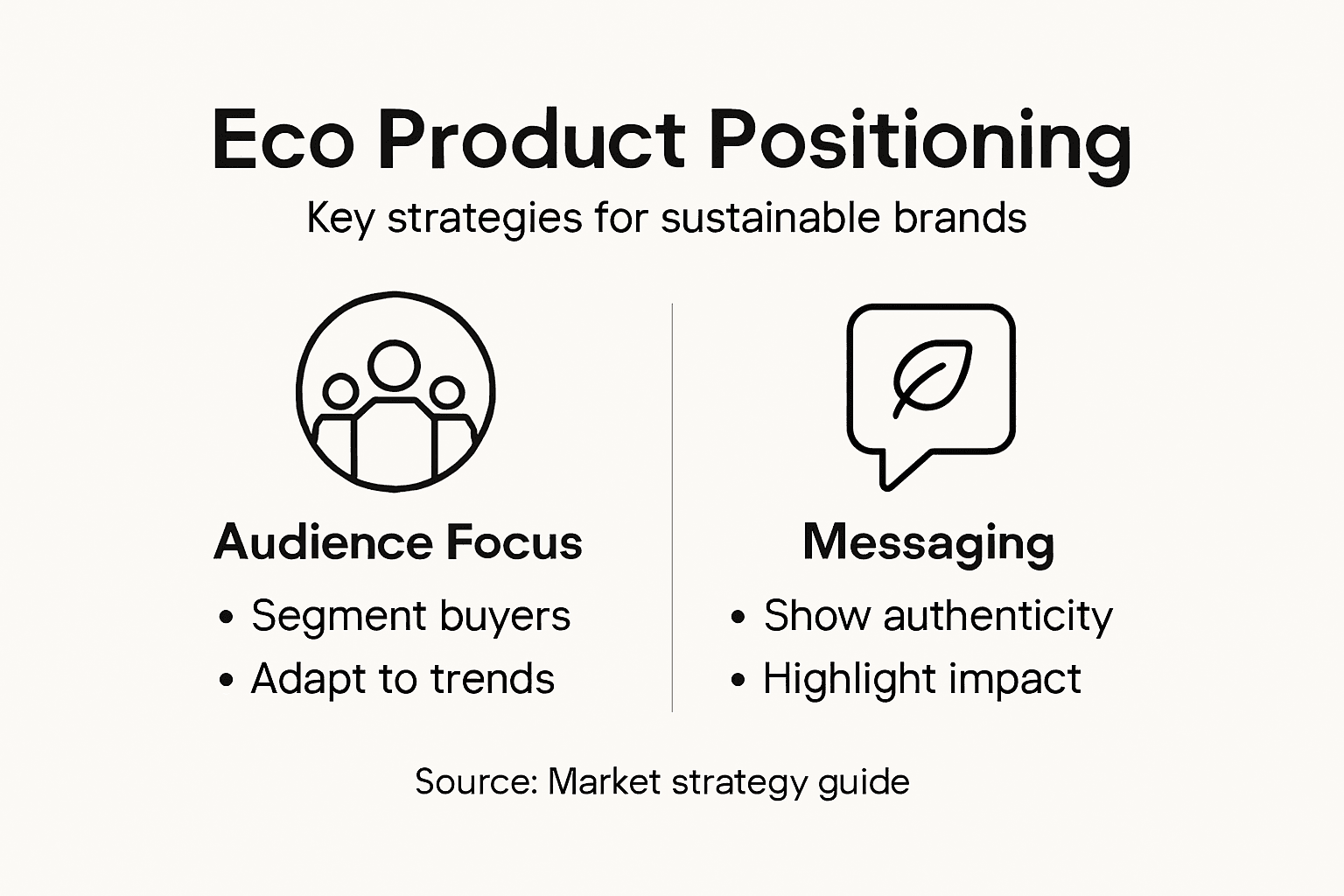
Begin by understanding what sustainability actually means to each audience segment. A corporate buyer cares about measurable environmental impact they can report to stakeholders and cost savings from reduced waste. A conscious consumer might prioritize personal health benefits of avoiding plastic and feeling good about their choices. A gift-giver wants a product that signals shared values to recipients. A sustainability director at a mid-sized company needs proof of genuine environmental commitment, not marketing fluff. Sustainability communication requires aligning brand values with messaging content and target audience characteristics to build trust and overcome consumer skepticism. Your messaging must directly address the specific concerns and values of each group. For corporate audiences, lead with quantifiable metrics. For consumers, lead with personal benefits and genuine stories. For gift givers, lead with the statement their choice makes about their values.
Next, connect sustainability to everyday experiences rather than abstract environmental concepts. Do not say your bottles reduce plastic waste. Say your bottles eliminate the weekly trip to buy single-use water bottles, saving money and time while preventing hundreds of plastic bottles from landfills. Do not say your manufacturing is sustainable. Say your European production means shorter shipping distances, fresher products delivered faster, and supporting regional jobs. Emotional storytelling and framing that connects sustainability to consumers’ values and everyday experiences encourages pro-environmental behavior far more effectively than abstract environmental arguments. People relate to tangible benefits they can see and feel. A parent avoiding plastic for their child’s health. A professional building their company’s sustainability reputation. A gift-giver expressing their values through thoughtful choices. These stories feel real and motivate action.
Build transparency directly into your messaging. Audiences today expect authenticity and are quick to spot greenwashing. Instead of vague claims like eco-friendly, tell the actual story. Your stainless steel comes from responsible suppliers. Your manufacturing uses renewable energy. Your products last years instead of months. Your packaging is minimalist and recyclable. State what you do, explain why it matters, and acknowledge what you do not do perfectly. Companies that admit imperfection while showing genuine commitment actually build more trust than those claiming to be completely perfect. European consumers especially appreciate transparency about supply chains, labor practices, and environmental trade-offs.
Choose your communication channels to match where each audience actually pays attention. Corporate sustainability professionals read industry reports and LinkedIn. Conscious consumers follow sustainable lifestyle Instagram accounts and shop through sustainability-focused websites. Gift-givers browse corporate gift directories and company websites. Your message about durability and environmental impact needs to show up where these people naturally gather. Tailor not just what you say, but where and how you say it. A detailed sustainability report works for B2B audiences. A lifestyle photo showing someone enjoying your bottle works for consumers. A gift guide highlighting bulk purchasing savings works for corporate gift buyers. You may use the same core sustainability facts, but the presentation, emphasis, and context completely change based on context.
Pro tip: Record yourself explaining your sustainability story three different ways, one for each major audience segment. Notice which explanations feel natural and which feel forced. Use your most authentic version for each segment and test it with real people from that group before rolling it out across all channels.
Step 5: Select effective green marketing channels
Not all marketing channels reach eco-conscious audiences equally. Choosing where to promote your stainless steel drinkware matters as much as what you say. This step helps you identify which channels actually connect with your target segments and deliver genuine results rather than spreading your budget across platforms where your audience does not spend time.
Start by mapping where your different audience segments naturally gather. Corporate sustainability professionals monitor LinkedIn, industry sustainability reports, trade publications, and B2B procurement platforms. They attend conferences and webinars focused on corporate responsibility. Conscious consumers follow sustainable lifestyle Instagram accounts, browse eco-focused shopping platforms, read sustainability blogs, and engage with environmental nonprofits. They seek recommendations from trusted sources within their communities. Gift buyers research corporate gift suppliers through Google searches, browse specialized gift directories, and look at company websites. These groups occupy completely different digital and physical spaces. A LinkedIn campaign reaches corporate buyers effectively but wastes money on consumers who never check that platform. An Instagram campaign builds consumer awareness but rarely influences B2B purchasing decisions. Your channel strategy must match audience location, not your assumptions about where they should be.
Consider how different channels serve different purposes in your marketing. Social media and influencer marketing effectively broaden reach to targeted eco-conscious consumers through educational content and storytelling. Instagram and TikTok work well for lifestyle positioning and reaching younger European consumers. LinkedIn excels at thought leadership and B2B relationship building. Your own website serves as your digital headquarters where you control the narrative completely. Email reaches existing customers and prospects who have already shown interest. Partnerships with sustainability organizations and influencers amplify your message through trusted voices. Industry publications and certifications build credibility with informed audiences. Each channel has a specific role in your overall strategy. Some channels build awareness, others drive conversions, others maintain relationships with existing customers.
Evaluate channels based on how well they align with your core positioning and resources. Digital marketing channels including social media and online platforms are essential tools to engage eco-conscious consumers, but they require authentic commitment and transparency rather than sporadic posting. A channel you update inconsistently damages credibility more than not being there at all. Choose channels you can genuinely sustain with quality content. If you have limited resources, focus on two channels where your primary audiences gather and do them exceptionally well rather than spreading yourself thin across six platforms. For most European sustainability focused marketing managers, this typically means one strong owned channel like your website or email newsletter plus one social platform where you engage directly with your audience.
Measure channel effectiveness against actual business results, not vanity metrics. Follower counts mean nothing. Click through rates matter less than whether those clicks convert to customers or leads. Track which channels drive actual sales, which generate qualified inquiries for your B2B business, which build long-term customer relationships. Use unique links or promo codes for each channel so you can actually see which ones work. After three months of consistent effort on your chosen channels, analyze the data. Which ones generate customer inquiries? Which ones build engaged communities? Which ones feel like shouting into empty rooms? Double down on what works and adjust or abandon what does not. Your channel strategy should evolve based on real evidence, not trends or assumptions.
Pro tip: Before launching on any new channel, spend one week observing how successful sustainable brands in your space use that platform. Notice what content types get engagement, how frequently they post, what hashtags or communities they participate in, and how they interact with followers. This reconnaissance takes minimal time but prevents months of ineffective posting based on guesses.
The table below compares different green marketing channels and their best-fit audience segments:
| Marketing Channel | Best Audience Segment | Notable Strength |
|---|---|---|
| Corporate professionals | Builds B2B credibility | |
| Conscious consumers | Visual storytelling appeal | |
| Industry Publications | Sustainability officers | Trusted, data-driven content |
| Eco-focused Websites | Eco-conscious shoppers | Niche audience targeting |
| Corporate Gift Directories | Gift buyers | Streamlines bulk purchase process |
| Email Newsletters | Existing customers | High engagement, direct reach |
Step 6: Measure and refine product positioning
Your positioning strategy only works if it actually delivers results. Measurement transforms assumptions into evidence, showing you what resonates with audiences and what falls flat. This step teaches you how to track meaningful metrics, interpret what they mean, and adjust your positioning based on real market feedback rather than guesses.
Start by defining what success looks like for your positioning efforts. Success looks different depending on your audience. For B2B corporate clients, success might mean qualified inquiries from companies with 200 or more employees, contract values above a certain threshold, or reduced sales cycles. For conscious consumers, success might mean repeat purchases, positive reviews mentioning sustainability, or referrals from existing customers. For gift-givers, success might mean bulk order volume or year-over-year growth in that segment. These specific measures matter far more than vanity metrics like total website visitors or social media followers. You need to track what actually indicates your positioning is working. Quantitative models measuring alignment with sustainable development goals help firms refine eco-friendly offerings and positioning to enhance market effectiveness and understand whether your messaging actually drives customer relationships. Start simple with three to five core metrics per audience segment that directly connect to your business objectives.
Next, implement measurement systems that capture the right data without overwhelming complexity. Track where inquiries originate. When someone contacts you or makes a purchase, ask how they found you. Did they see your LinkedIn content? Instagram post? Industry publication mention? Website search? Referral from a friend? This simple question reveals which positioning channels and messages actually drive action. Measure customer sentiment by reading reviews, analyzing social media comments, and conducting quarterly customer surveys asking what messaging or values influenced their purchase decision. Monitor engagement metrics that indicate genuine interest, not just visibility. Which blog posts about your sustainability story get shared most? Which LinkedIn posts generate thoughtful comments versus silent scrolls? Which email subject lines about sustainability benefits get opened most frequently? Track conversion rates for different message variations. If you test two different homepage headlines emphasizing different sustainability benefits, which one generates more customer inquiries?
Implement a quarterly review cycle to assess what is working and adjust accordingly. Every three months, compile your measurements into a simple review. Which audience segments respond best to which messaging? Which channels drive actual conversions? Which sustainability benefits get mentioned most by satisfied customers? Which positioning claims receive skepticism or pushback? Use this data to refine your strategy. Double down on what works. Adjust messaging that does not resonate. Test new approaches in small ways before scaling them up. Environmental, economic, and social metrics measure the impact of eco-friendly initiatives and support strategy refinement to maximize positive outcomes. Beyond customer metrics, also track your actual environmental and social performance. Are your sustainability claims backed by genuine improvements? Are you reducing plastic waste, improving supply chain practices, or supporting communities as you claim? Your positioning crumbles if the underlying reality does not match your messaging.
Remember that perfect data does not exist. You will work with imperfect information and make decisions anyway. The goal is not perfect measurement but directional evidence. After three months, you will see clearer patterns than you see today. After six months, you will understand your market significantly better. After a year, you will have accumulated enough data to make confident strategic decisions. Start measuring now with whatever tools you have available. A simple spreadsheet tracking customer sources and feedback is infinitely better than no measurement at all. As you grow and invest more resources in positioning, upgrade your measurement systems to match.
Pro tip: Create a one-page monthly dashboard showing your five core metrics, trend direction, and one actionable insight from each. Share this with your team or stakeholders monthly so everyone stays aligned on what the data is actually showing and adjusts tactics together rather than working in isolation.
Position Your Eco-Friendly Products for Real Market Success
Unlock the true potential of your sustainable offerings by aligning your product positioning with what today’s eco-conscious customers truly value. The key challenges discussed in the article include identifying target audiences, tailoring messaging to specific motivations such as environmental impact and social influence, and choosing marketing channels that build genuine trust rather than empty claims. By addressing these pain points, you can move beyond generic greenwashing toward authentic connections that inspire loyalty and increased sales.
At FLASKE, we empower your brand with durable, personalized stainless steel drinkware crafted for both conscious consumers and corporate clients who demand measurable sustainability benefits. Whether you seek to reduce plastic waste, highlight European manufacturing transparency, or emphasize longevity that cuts replacement cycles, our Bottles – Flaske and innovative EVO Bottles – Flaske provide the perfect foundation. Our solutions help you deliver clear, specific, and credible green value propositions that engage exactly the segments outlined in the article without compromise.
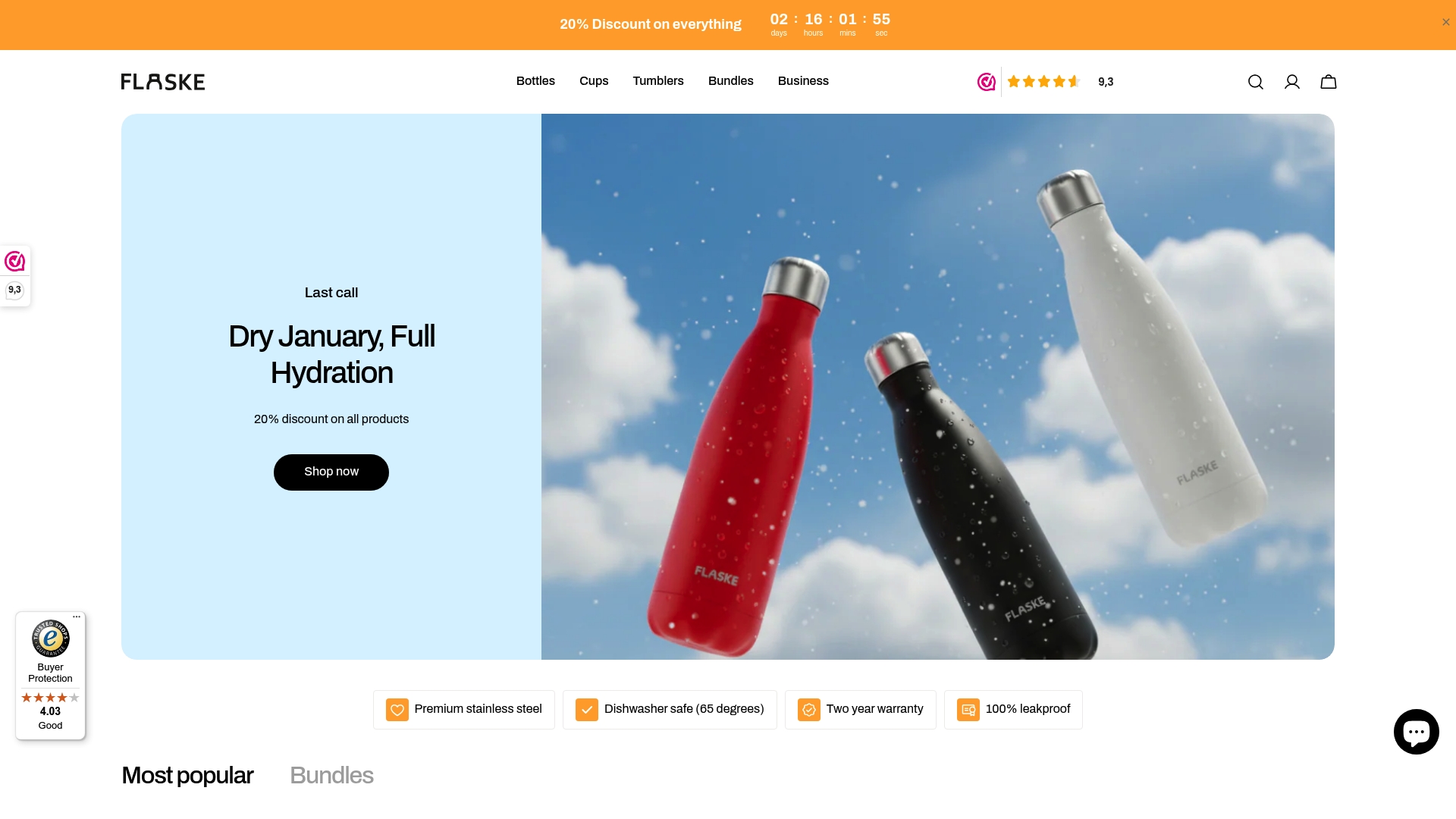
Get ahead in the competitive eco-friendly market by choosing FLASKE as your trusted partner. Visit https://flaske.com now to explore how our sustainable products and customizable options can elevate your positioning and convert your green promises into lasting customer loyalty.
Frequently Asked Questions
How can I identify my target eco-conscious audience for my products?
Start by segmenting your audience based on their motivations for purchasing eco-friendly products. Conduct surveys or interviews with existing customers to pinpoint their values and needs, aiming for actionable insights within the next few weeks.
What are the key differences in messaging for various eco-conscious audience segments?
Tailor your messaging to resonate with each segment’s specific concerns, such as environmental impact for responsible consumers or social alignment for those motivated by peer influence. Create distinct messaging frameworks for at least three different audience types to ensure clarity and engagement.
How can I track the effectiveness of my eco-friendly product positioning?
Measure success by defining specific metrics for desired outcomes, like customer inquiries or repeat purchases. Implement a data tracking system to analyze results regularly, aiming for a comprehensive review every quarter to adjust strategies as needed.
What steps should I take to analyze competitors in the eco-friendly market?
Map out both direct and indirect competitors by examining their marketing strategies and messaging related to eco-friendly practices. Regularly review their positioning to identify gaps in the market that you can address, updating your analysis every few months to stay informed on changes.
How can I ensure my sustainability messaging is credible and effective?
Focus on transparency in your messaging by detailing your product’s environmental benefits and manufacturing processes. Use clear and specific claims about metrics and outcomes, which can be tested for resonance with your target audiences within 30 days.
What marketing channels work best for promoting eco-friendly products?
Evaluate and select channels based on where your target audiences are most likely to engage, such as LinkedIn for corporate buyers and Instagram for conscious consumers. Launch targeted campaigns on two chosen platforms and measure their effectiveness after a few months to optimize your approach.


