Choosing the right reusable product for your next campaign is not as simple as picking what’s trendy. European brands striving for both loyalty and environmental progress need to connect their sustainability objectives with real customer motivations. When you align clear sustainability objectives and a deep understanding of audience behavior, your loyalty programs can move from checklist to real impact. This opening step anchors your success with measurable goals and relevant audience insights.
Table of Contents
- Step 1: Assess Sustainability Objectives And Audience
- Step 2: Select And Personalize Reusable Promotion Items
- Step 3: Design And Launch Your Promotion Campaign
- Step 4: Track Engagement And Measure Impact
Quick Summary
| Key Point | Explanation |
|---|---|
| 1. Define clear sustainability goals | Establish measurable targets aligned with corporate sustainability objectives to track progress effectively. |
| 2. Understand your target audience | Segment your audience based on sustainability consciousness and behavior to shape messaging and incentives accurately. |
| 3. Choose practical reusable items | Select reusable products that resonate with consumers, ensuring they are practical, durable, and align with your brand values. |
| 4. Develop a cohesive campaign strategy | Design a campaign with clear messaging, tailored for different audience segments to enhance engagement and participation. |
| 5. Measure impact and adjust strategies | Regularly track engagement and sustainability metrics to assess impact and adjust your approach for better outcomes. |
Step 1: Assess Sustainability Objectives and Audience
Before launching any reusable product promotion, you need clarity on what sustainability means for your brand and who you’re trying to reach. This foundational step determines whether your loyalty program resonates or falls flat.
Start by defining your core sustainability objectives. Are you focused on reducing carbon emissions, minimizing waste, or building circular economy practices? Your objectives should connect directly to your corporate social responsibility goals and measurable outcomes. Write them down specifically—not vague aspirations, but concrete targets you can track.
- Reduce single-use packaging by 40% within 18 months
- Achieve zero-waste production at one facility by year-end
- Establish a closed-loop return system for reusable containers
- Cut supply chain emissions by 25% through local material sourcing
Next, understand your audience deeply. Understanding consumer behavior and preferences proves critical for successful reusable product promotions. Your European marketing managers likely know this—different regional audiences have varying sustainability priorities and trust levels.
Segment your audience by their environmental consciousness and purchasing behavior. Are you targeting eco-committed early adopters or mainstream consumers still building their sustainability habits? This distinction shapes everything from messaging to program incentives.
Research what actually motivates your specific audience. Do they value transparent supply chain information, cost savings, or the ability to see measurable environmental impact from their purchases? Marketing strategies for sustainable products emphasize consumer awareness, behavior segmentation, and educational content as foundational elements.
Conduct simple surveys or focus groups if budget allows. Ask current customers why they chose your brand and what would deepen their loyalty. Listen for patterns—they reveal your competitive advantage.
Align your sustainability objectives with audience understanding from the start. Misalignment between what you promote and what your customers actually care about wastes time and budgets.
Document three things before moving forward: your measurable sustainability goals, your target audience segments, and one key motivation that drives each segment.
Pro tip: Create a one-page sustainability pledge document that clearly states your objectives and how reusable products support them. Share this with your team and your audience early—transparency builds credibility faster than perfect execution ever will.
Step 2: Select and Personalize Reusable Promotion Items
Now that you’ve defined your sustainability goals and audience, it’s time to choose the right reusable products and make them distinctly yours. The items you select must balance practicality, brand alignment, and emotional appeal.
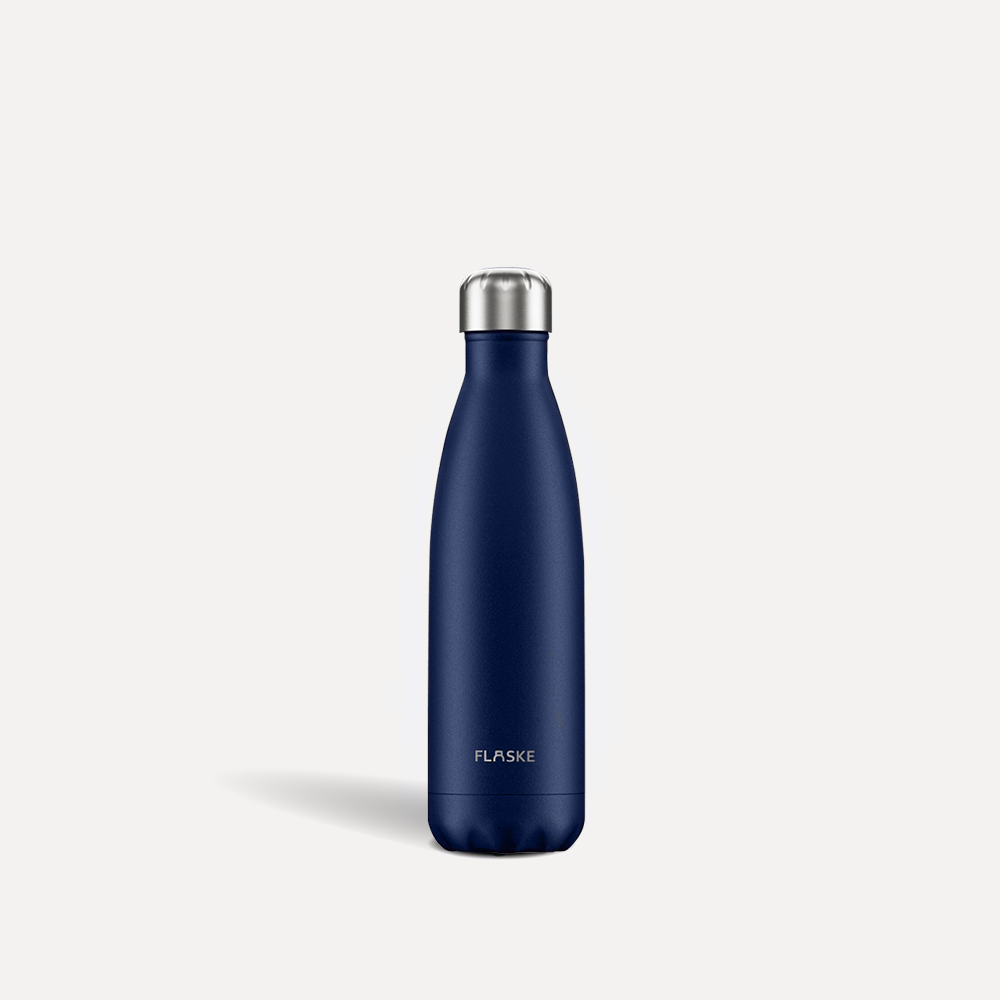
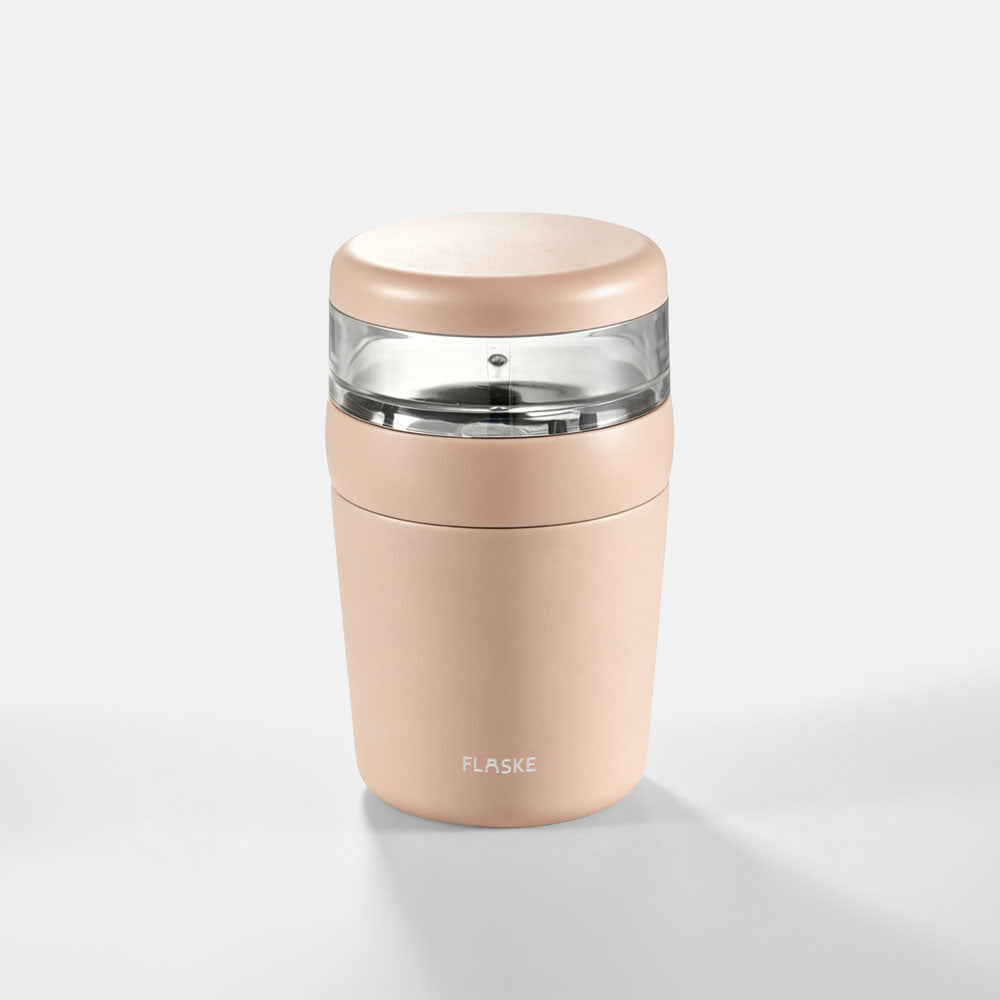
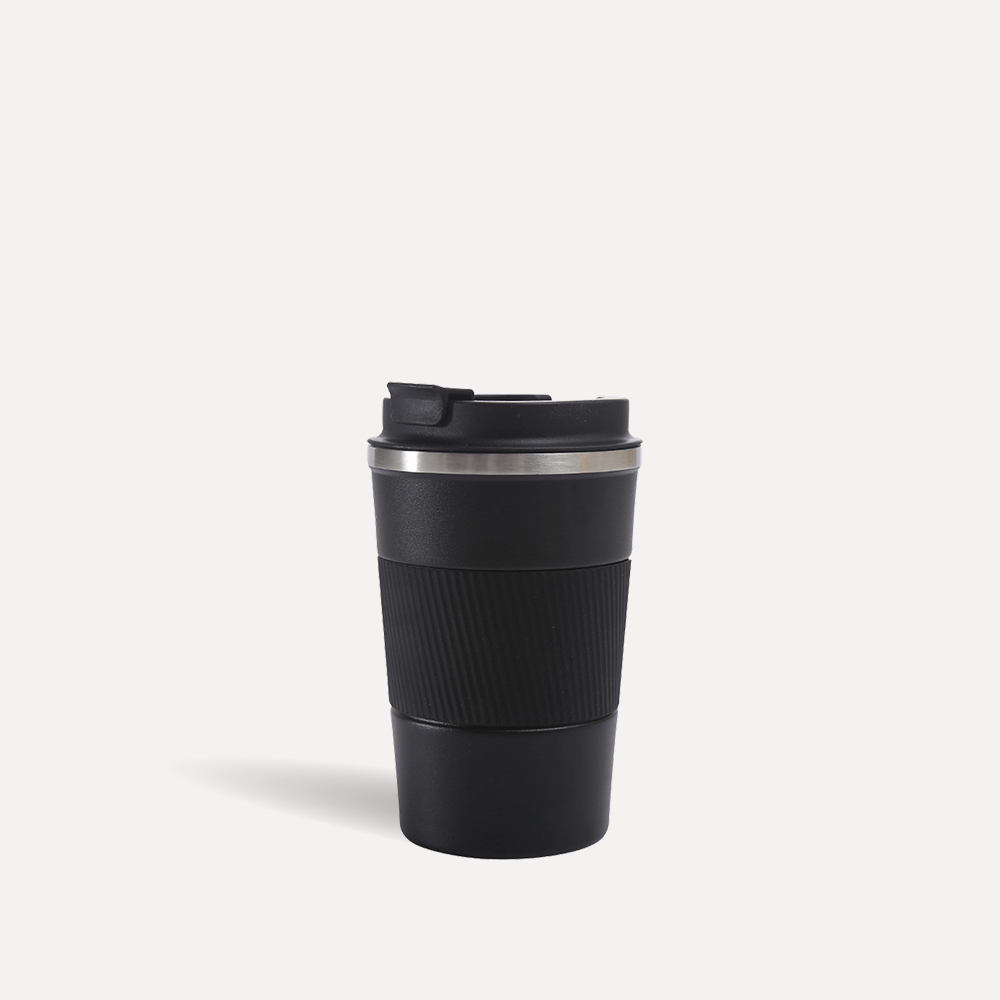
Start by identifying which reusable products resonate with your target audience. Your sustainability-focused customers respond to items they’ll actually use, not ones gathering dust on a shelf. Common high-performers include reusable water bottles, coffee cups, tote bags, and utensil sets.
Consider these factors when evaluating options:
- Practicality for daily use (Does your audience carry it regularly?)
- Alignment with your sustainability message (Does it reinforce your values?)
- Quality and durability (Will it last long enough to build brand recall?)
- Cost per unit relative to your loyalty program budget
- Customization options for your brand identity
Personalizing promotional items with brand logos and messages strengthens emotional connections and drives loyalty. Your European audience particularly values transparency and authenticity, so ensure your customization reflects genuine brand values rather than superficial branding.

When personalizing, focus on thoughtful design elements. Current promotional product trends emphasize eco-friendly items like reusable tote bags and custom drinkware that resonate with sustainability-oriented consumers. Your logo placement, color choices, and messaging should feel intentional and aligned with environmental commitments.
Think about including a secondary element that educates customers. A small sustainability fact printed on your reusable bottle, for example, turns it into a conversation starter. This amplifies your brand message beyond the product itself.
Choose reusable items your audience will actually use repeatedly. Products left unused provide zero loyalty benefit and waste your investment.
Test your selection with a small focus group before full rollout. Ask them honestly whether they’d use the item and what personalization elements appeal most.
Pro tip: Source reusable promotional items from suppliers offering multiple customization options and request samples before committing to large orders. This prevents costly mistakes and ensures the final product matches your quality standards.
Step 3: Design and Launch Your Promotion Campaign
With your products selected and personalized, you’re ready to build the campaign that brings everything together. Your campaign design determines whether customers engage enthusiastically or scroll past indifferently.
Start by defining your campaign message and channels. What story are you telling about sustainability and brand loyalty? Will you reach customers through email, social media, in-store displays, or a combination? Your European audience responds well to authentic narratives that connect environmental impact to their daily choices.
Create a launch timeline with clear milestones:
- Finalize campaign creative assets (4 weeks before launch)
- Brief your team and retail partners on talking points (3 weeks before)
- Soft launch to loyal customers for feedback (2 weeks before)
- Full public launch across all channels (Day 1)
- Monitor engagement and adjust messaging (Weeks 1-4)
User-centric design strategies addressing convenience, incentives, and sustainability awareness help overcome barriers to continued reuse. Your campaign should explicitly communicate how customers benefit while reinforcing the environmental wins they’re contributing to.
Build incentive clarity into your messaging. Will customers earn loyalty points? Receive discounts? Get recognition for participation? Make the reward structure obvious from day one—confusion kills momentum.
Don’t assume one message resonates everywhere. Tailor your campaign language for different segments. Early adopters want detailed sustainability metrics. Mainstream audiences respond better to simplicity and social proof.
Below is a comparison of audience segments and suitable messaging approaches for each:
| Audience Segment | Messaging Focus | Effective Channel |
|---|---|---|
| Eco-committed adopters | Detailed sustainability metrics | Email newsletters |
| Mainstream consumers | Simplicity and social proof | Social media |
| Value seekers | Cost savings and rewards | In-store displays |
A campaign that educates customers about their impact creates loyal advocates, not just repeat buyers.
Plan for the first 30 days intensively. This is when habits form or fail. Consistent touchpoints through multiple channels—reminders, success stories, thank you messages—normalize the behavior you’re promoting.
Measure everything from day one. Track participation rates, customer sentiment, and environmental impact reported back to participants. Real data builds credibility faster than claims ever will.
Pro tip: Launch your campaign on a day when your audience is most attentive, typically mid-week mornings. Avoid Mondays when inboxes overflow and Fridays when attention shifts toward weekends.
Step 4: Track Engagement and Measure Impact
Your promotion is live and customers are participating. Now comes the critical work of tracking what’s actually happening and proving the value of your investment. Without measurement, you’re flying blind.
Start by establishing baseline metrics before diving into analysis. What were your participation rates, customer sentiment, and environmental metrics before the campaign? This baseline lets you quantify actual change versus assumptions.
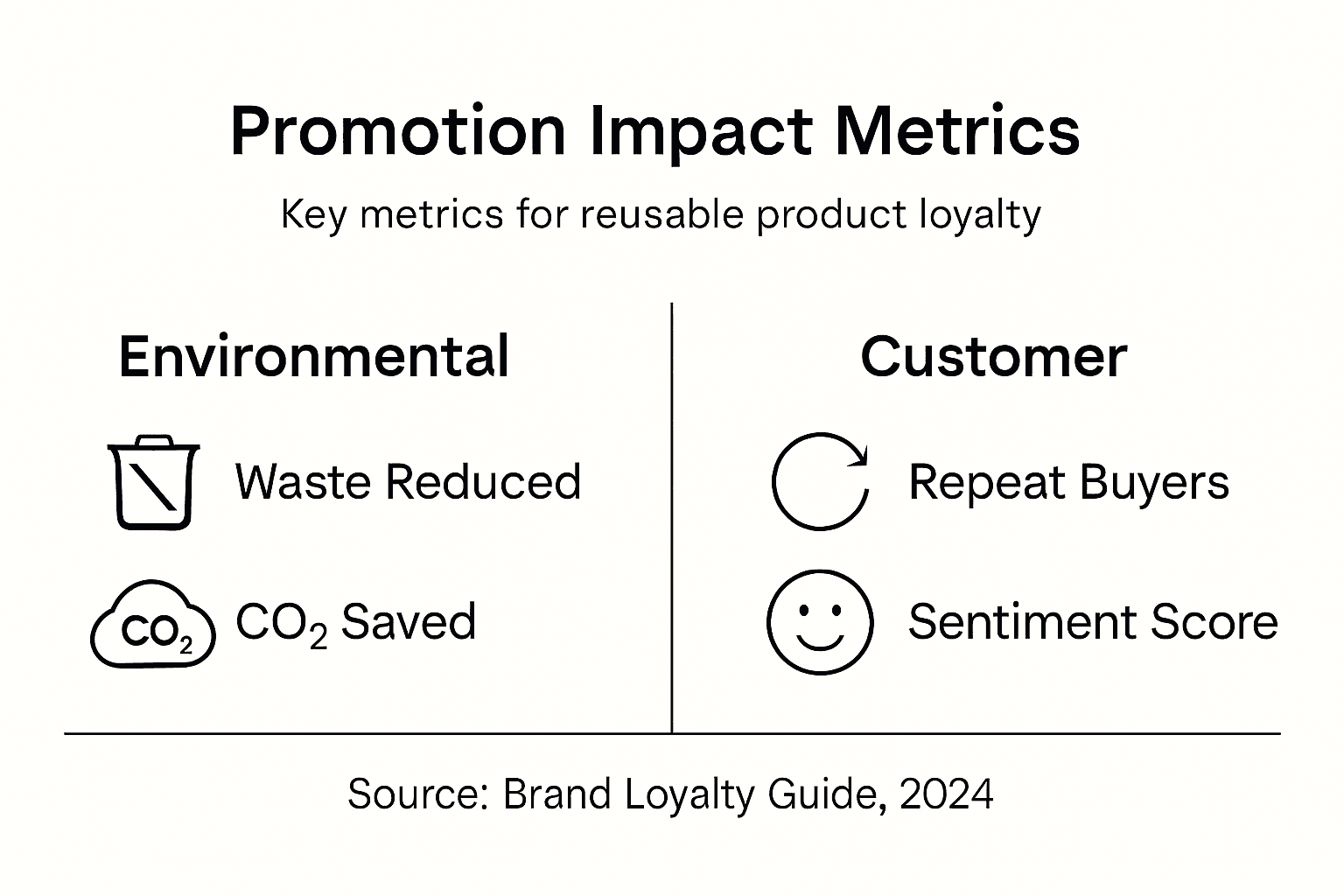
Focus on three metric categories:
- Engagement metrics: Participation rates, repeat participation frequency, customer retention within the program
- Environmental metrics: Units of reusable products distributed, waste diverted from landfills, carbon emissions avoided
- Business metrics: Customer lifetime value increase, brand loyalty scores, repeat purchase rates among participants
Comprehensive metrics for reusable packaging assess environmental, economic, and social outcomes at both product and system levels. This holistic approach reveals whether your program succeeds economically and environmentally.
Track data monthly, not annually. Monthly reporting reveals trends early, allowing you to adjust messaging or incentives before momentum fades. You’ll spot which customer segments respond most enthusiastically and which need different approaches.
Translate your data into customer-facing impact statements. Tell participants exactly how many kilograms of plastic they’ve diverted or how many carbon emissions their choices prevented. Standardized metrics for reusable packaging help measure environmental benefits and consumer participation consistently across markets.
Share your findings with your team regularly. Celebrate wins publicly. If participation lags, investigate why and adjust quickly rather than hoping it improves.
Impact data transforms a marketing program into proof that sustainability and profitability align. Share this truth with customers and your organization.
Compare your actual results against your original sustainability objectives from Step 1. Are you on track? Exceeding targets? Missing them? These answers guide your next steps.
Pro tip: Use a shared dashboard accessible to your team showing real-time engagement and impact metrics. Transparency builds accountability and keeps sustainability goals visible rather than buried in quarterly reports.
Here’s a summary of common challenges and solutions when launching a reusable product campaign:
| Challenge | Possible Solution | Business Impact |
|---|---|---|
| Low customer engagement | Use targeted incentives and clear messaging | Increased participation and loyalty |
| Misaligned product choice | Test items with focus groups | Higher product usage rates |
| Minimal impact tracking | Establish real-time dashboards | Faster course correction |
| Lack of audience trust | Share transparent impact data | Enhanced brand credibility |
Boost Your Brand Loyalty with Sustainable, Personalized Reusable Products
The challenge of aligning sustainability goals with genuine customer engagement is real. Many brands struggle to find reusable promotional items that truly connect with their audience and deliver measurable impact. This guide highlights the importance of choosing practical, high-quality products that reflect your brand values and motivate your customers through clear incentives and transparent communication.
At FLASKE, we understand these pain points and offer a solution tailored for businesses ready to embrace sustainability and deepen customer loyalty. Our durable stainless steel drink bottles and coffee cups can be personalized to reflect your unique brand message. These items suit everyday use, helping you reduce single-use waste while reinforcing your environmental commitments. Explore our Bottles – Flaske and Accessories – Flaske to find the perfect match for your campaign.
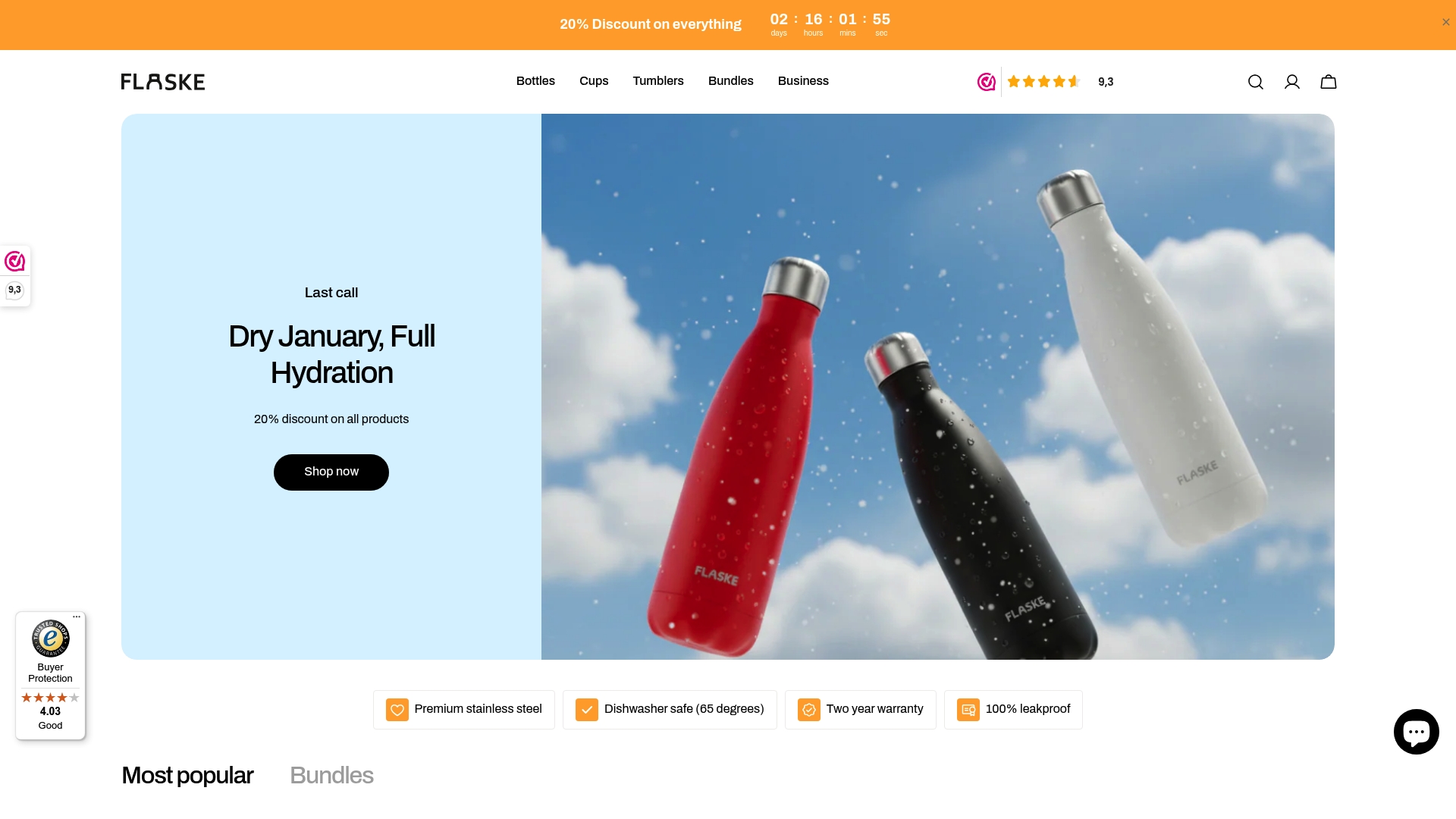
Start your journey to authentic sustainability today. Visit FLASKE to discover how our customizable reusable products can empower your reusable product promotions and build lasting brand loyalty. Act now to lead with impact and inspire your customers to join you in making a difference.
Frequently Asked Questions
How can I define my sustainability objectives for reusable product promotions?
You can define your sustainability objectives by identifying specific targets, such as reducing single-use packaging by 40% or achieving zero-waste production at a facility within 18 months. Clearly document these goals to ensure they align with your corporate social responsibility initiatives.
What reusable products should I choose for my brand loyalty promotion?
Select reusable products that resonate with your target audience, such as tote bags, reusable water bottles, or coffee cups. Prioritize practicality and emotional appeal to ensure customers will use them regularly.
How do I personalize my reusable promotional items to strengthen brand loyalty?
Personalize your promotional items by incorporating thoughtful design elements, such as your brand logo and sustainability messages. Ensure that these elements reflect your brand’s genuine values for more effective emotional connections with your customers.
What channels should I use to launch my reusable product promotion campaign?
Utilize channels like email, social media, and in-store displays to reach your audience effectively. Tailor your messaging for each channel to ensure it resonates with various audience segments, like eco-committed adopters or mainstream consumers.
How can I measure the impact of my reusable product promotion?
To measure impact, establish baseline metrics for engagement, environmental benefits, and business performance before your campaign begins. Track these metrics monthly to identify trends and make necessary adjustments for better results.
What challenges might I face when launching a reusable product promotion, and how can I address them?
Common challenges include low customer engagement and misaligned product choices. Test potential items with focus groups and implement targeted incentives to encourage participation, increasing your campaign’s effectiveness.