


Finding the right path to ecofriendly procurement can feel daunting when supply chain demands and sustainability goals collide. For many European procurement managers, aligning sourcing decisions with corporate responsibility is not just a trend but a strategic priority. This guide lays out actionable steps for setting meaningful sustainability goals, assessing supplier practices, and integrating green criteria, so you can turn procurement into a powerful driver of positive environmental impact.
Table of Contents
- Step 1: Identify Ecofriendly Procurement Goals
- Step 2: Assess Supplier Sustainability Standards
- Step 3: Integrate Green Criteria Into Sourcing
- Step 4: Evaluate and Select Sustainable Suppliers
- Step 5: Verify and Report Ecofriendly Outcomes
Quick Summary
| Key Insight | Explanation |
|---|---|
| 1. Define Clear Ecofriendly Goals | Establish specific, measurable procurement goals aligned with sustainability objectives to drive environmental improvements. |
| 2. Assess Supplier Sustainability Rigorously | Develop a comprehensive framework for evaluating potential suppliers on their environmental practices to ensure alignment with your goals. |
| 3. Integrate Green Criteria in Sourcing | Embed environmental performance indicators into purchasing decisions to actively promote sustainable products and practices. |
| 4. Select Sustainable Suppliers Strategically | Use a multifaceted approach with scoring systems to prioritize suppliers who show a commitment to sustainability. |
| 5. Monitor and Report on Outcomes | Systematically document and communicate your sustainability progress to stakeholders to demonstrate accountability and commitment. |
Step 1: Identify Ecofriendly Procurement Goals
Identifying your organization’s ecofriendly procurement goals is a strategic process that requires careful analysis and alignment with broader sustainability objectives. This crucial first step sets the foundation for transforming your procurement practices into a powerful tool for environmental responsibility.
Begin by comprehensively assessing your current procurement landscape and understanding where environmental improvements can be made. Sustainable procurement guidelines recommend focusing on key sustainability priorities such as:
- Reducing carbon emissions
- Minimizing waste generation
- Supporting circular economy principles
- Promoting supplier environmental accountability
- Integrating environmental, social, and governance (ESG) criteria
To develop meaningful goals, consider conducting a detailed environmental impact assessment of your current procurement processes. This involves analyzing:
- Current carbon footprint of purchased materials
- Potential areas for sustainable material substitution
- Supplier environmental performance
- Lifecycle environmental costs
The most effective procurement goals are specific, measurable, and aligned with your organization’s broader sustainability strategy.
The Green Public Procurement Pledge suggests adopting a staged approach, where organizations progressively enhance their environmental commitments. Start by establishing baseline measurements and gradually transition toward more ambitious targets.

Pro tip: Engage cross-functional teams from procurement, sustainability, and operations to create holistic and achievable ecofriendly procurement goals that reflect realistic organizational capabilities.
Step 2: Assess Supplier Sustainability Standards
Assessing supplier sustainability standards is a critical component of developing an ecofriendly procurement strategy that goes beyond surface-level environmental commitments. By systematically evaluating potential suppliers, you can ensure your organization partners with businesses that genuinely prioritize environmental and social responsibility.
Start by developing a comprehensive sustainability assessment framework that incorporates multiple evaluation dimensions. Sustainability reporting standards provide a robust blueprint for benchmarking supplier practices across critical domains. Key assessment areas should include:
- Environmental compliance and impact
- Carbon emissions and resource management
- Labor practices and human rights
- Waste reduction and circular economy initiatives
- Transparency in sustainability reporting
To conduct a thorough evaluation, implement a structured approach that involves:
- Requesting detailed sustainability documentation
- Analyzing supplier environmental compliance records
- Conducting on-site assessments when possible
- Reviewing third-party sustainability certifications
Effective supplier sustainability assessments require a holistic view that balances quantitative metrics with qualitative environmental commitment.
Utilize standardized assessment tools that provide objective measurements of sustainability performance. Look for suppliers who demonstrate continuous improvement and proactive environmental strategies, rather than those meeting only minimum compliance requirements.
Pro tip: Create a weighted scoring system for sustainability criteria that allows you to systematically rank and compare potential suppliers based on their environmental and social performance.
Step 3: Integrate Green Criteria into Sourcing
Integrating green criteria into your sourcing strategy transforms procurement from a transactional process to a powerful mechanism for driving environmental sustainability. By systematically embedding environmental performance indicators into your purchasing decisions, you create meaningful market pressure toward more sustainable solutions.
Green Public Procurement strategies provide a comprehensive framework for implementing sustainable sourcing criteria. Key green criteria should encompass:
- Energy efficiency ratings
- Carbon emission measurements
- Recyclability of materials
- Sustainable manufacturing processes
- Lifecycle environmental impact
When developing green sourcing criteria, focus on creating quantifiable and verifiable standards. Sustainable procurement guidelines recommend incorporating specific requirements such as:
- Detailed technical specifications for environmental performance
- Minimum thresholds for energy efficiency
- Documentation of sustainable production methods
- Verification of conflict-free and responsible sourcing
Effective green criteria integration requires continuous evolution and alignment with emerging sustainability technologies and standards.
Establish a dynamic assessment process that allows periodic review and updating of your green sourcing criteria. This approach ensures your procurement strategy remains responsive to technological advancements and evolving environmental standards.
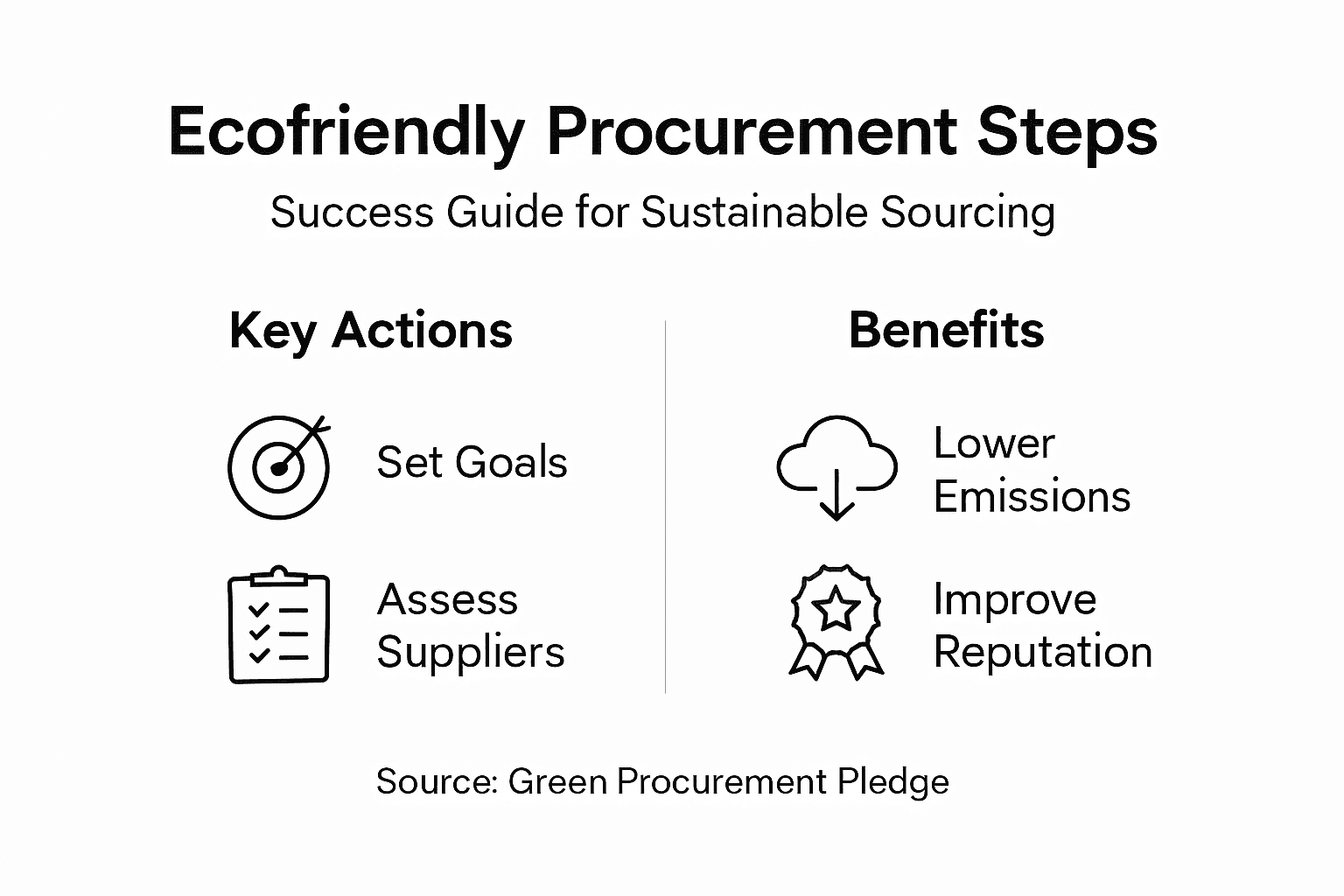
Pro tip: Create a cross-functional sustainability review committee that meets quarterly to reassess and refine your green sourcing criteria, ensuring ongoing relevance and impact.
Step 4: Evaluate and Select Sustainable Suppliers
Evaluating and selecting sustainable suppliers requires a comprehensive and strategic approach that goes beyond traditional procurement metrics. Your goal is to identify partners who demonstrate genuine commitment to environmental and social responsibility, transforming your supply chain into a catalyst for positive change.
Supplier sustainability management involves a multifaceted evaluation process. Critical assessment criteria should include:
- Environmental performance indicators
- Carbon footprint and emissions data
- Social responsibility practices
- Transparency in reporting
- Third-party sustainability certifications
When conducting your evaluation, implement a robust supplier assessment framework that incorporates both quantitative and qualitative measurements. Sustainable procurement guidelines recommend a structured approach that involves:
- Comprehensive due diligence documentation
- Detailed environmental risk assessments
- On-site sustainability audits
- Performance tracking and continuous improvement metrics
Successful supplier selection is not about finding perfect partners, but identifying those committed to progressive sustainability transformation.
Develop a scoring system that weights sustainability criteria alongside traditional performance metrics. This approach ensures that environmental and social responsibility become integral to your supplier selection process, rather than optional considerations.
Pro tip: Create a tiered supplier sustainability rating system that provides clear pathways for suppliers to improve their environmental performance and maintain long-term partnerships.
Step 5: Verify and Report Ecofriendly Outcomes
Verifying and reporting ecofriendly outcomes transforms sustainability from an abstract concept into a tangible, measurable achievement. By systematically documenting and communicating your environmental progress, you create accountability and demonstrate genuine commitment to sustainable procurement practices.
Environmental performance indicators provide a robust framework for tracking and validating your sustainability efforts. Key verification components should include:
- Comprehensive carbon emission measurements
- Quantitative waste reduction metrics
- Energy efficiency improvements
- Sustainable material procurement percentages
- Lifecycle impact assessments
When developing your reporting strategy, implement a structured verification methodology that ensures transparency and credibility. Sustainability reporting practices recommend focusing on:
- Precise data collection protocols
- Independent third-party audits
- Clear visualization of environmental outcomes
- Comparative performance benchmarking
Effective sustainability reporting goes beyond numbers - it tells the story of your organization’s environmental journey and commitment.
Create a comprehensive sustainability report that not only presents data but also contextualizes your achievements and outlines future environmental goals. This approach demonstrates ongoing commitment and provides stakeholders with a clear understanding of your procurement transformation.
Pro tip: Develop an interactive digital dashboard that allows real-time tracking and visualization of your sustainability metrics, making complex environmental data accessible and engaging.
The following table summarizes common challenges in green procurement and actionable solutions:
| Challenge | Impact | Practical Solution |
|---|---|---|
| Limited supplier transparency | Hard to verify sustainability claims | Require detailed third-party certifications |
| High initial costs | Budget constraints for greener options | Assess total lifecycle costs and savings |
| Evolving standards | Difficult to stay compliant | Schedule regular criteria reviews |
| Resistance to change | Delays in adopting new policies | Involve all key teams early on |
Here’s how each stage in the ecofriendly procurement process contributes strategic value:
| Stage | Main Focus | Key Benefit | Example Outcome |
|---|---|---|---|
| Identify Goals | Setting sustainability targets | Aligns procurement with green strategy | Reduced organizational carbon footprint |
| Assess Supplier Standards | Evaluate supplier environmental claims | Ensures partners share sustainability values | Improved supply chain transparency |
| Integrate Green Criteria | Enforce environmental criteria in sourcing | Drives adoption of greener solutions | More energy-efficient products procured |
| Select Sustainable Suppliers | Choose based on sustainability and performance | Strengthens responsible sourcing | Strong, long-term supplier relationships |
| Verify & Report Outcomes | Track and report actual results | Demonstrates environmental progress to stakeholders | Annual sustainability achievements report |
Drive Your Ecofriendly Procurement Forward with Sustainable Solutions
Navigating the challenges of ecofriendly procurement requires clear goals, rigorous supplier assessments, and verified environmental outcomes. If you are looking to reduce your organization’s carbon footprint and promote responsible sourcing, choosing sustainable products like personalized stainless steel bottles and coffee cups can be a powerful step. FLASKE offers durable and ecofriendly drinkware designed to support your green procurement objectives while enhancing your brand’s environmental commitment.
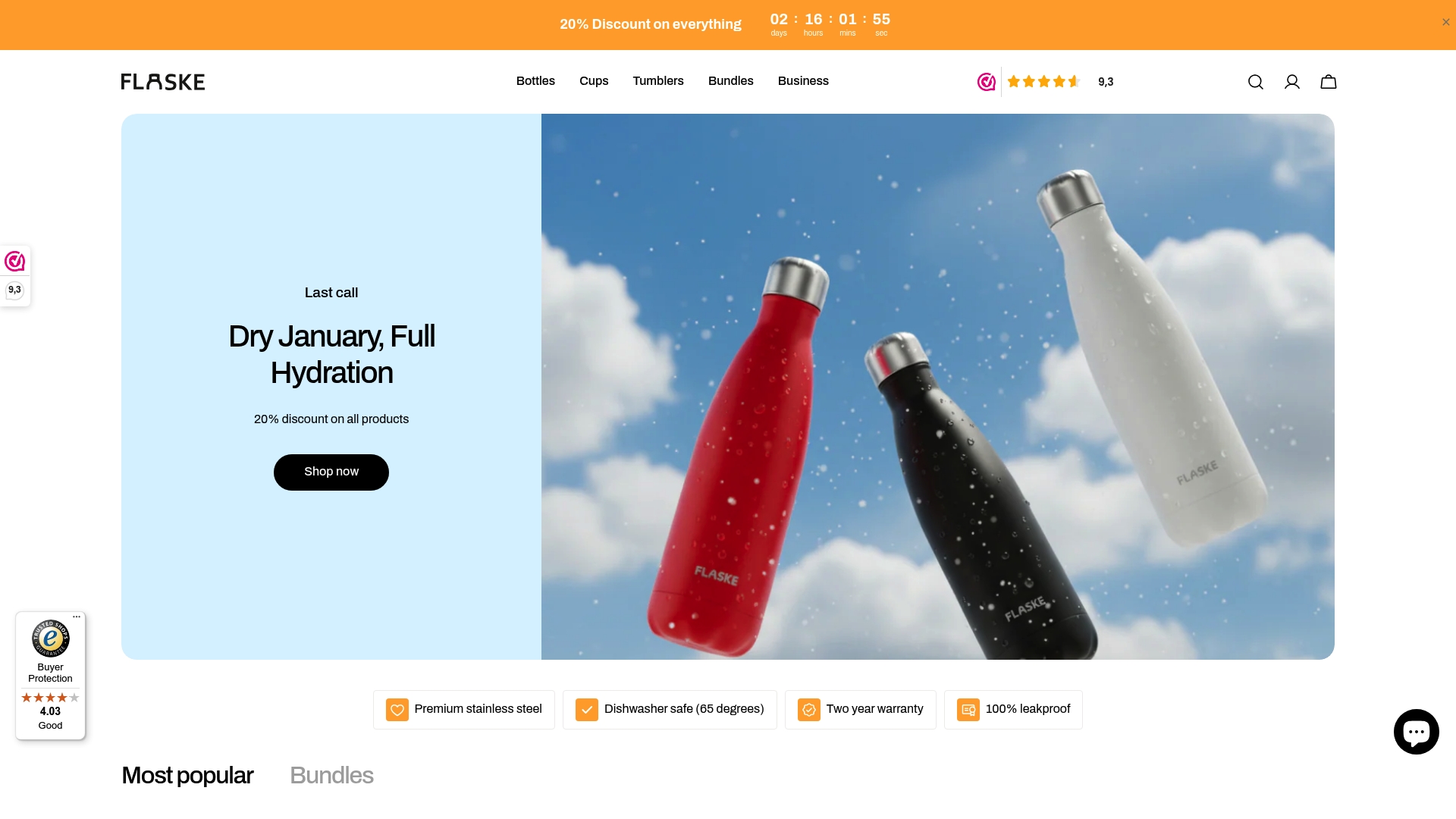
Explore how incorporating FLASKE’s sustainable drinkware into your procurement strategy can help you meet key targets such as waste reduction and supplier environmental accountability. Visit FLASKE’s main site to discover personalized options that align with your ecofriendly goals and take action today. Ready to transform your procurement approach with real sustainable impact? Check out our range at FLASKE and make the next green choice effortless.
Frequently Asked Questions
What are the first steps to identify ecofriendly procurement goals?
To identify ecofriendly procurement goals, start by assessing your current procurement landscape and analyzing where improvements can be made. Focus on areas like reducing carbon emissions and minimizing waste generation; within 30 days, draft specific, measurable goals that align with your organization’s overall sustainability strategy.
How can I assess supplier sustainability standards effectively?
You can assess supplier sustainability standards by developing a comprehensive sustainability assessment framework that evaluates environmental compliance, labor practices, and transparency. Gather detailed sustainability documentation from potential suppliers and analyze their records to identify those genuinely committed to sustainable practices within a month.
What green criteria should be integrated into my sourcing strategy?
Integrate green criteria that emphasize energy efficiency, carbon emissions, and material recyclability into your sourcing strategy. Establish clear, quantifiable standards to guide purchasing decisions, and aim to update these criteria at least once a year to keep pace with evolving sustainability standards.
How do I evaluate and select sustainable suppliers?
To evaluate and select sustainable suppliers, implement a robust assessment framework that weighs both environmental performance and traditional metrics. Focus on transparency and continuous improvement; ideally, finalize your supplier selection process within 60 days to ensure effective partnerships moving forward.
What should I include in my ecofriendly outcomes verification report?
Your ecofriendly outcomes verification report should include comprehensive measurements of carbon emissions, waste reduction metrics, and energy efficiency improvements. Develop this report to showcase your organization’s sustainability journey; aim to publish annually to maintain accountability and stakeholder engagement.
How can I overcome common challenges in the ecofriendly procurement process?
To overcome challenges like limited supplier transparency and initial cost concerns, require detailed third-party certifications and assess total lifecycle costs. Continuously involve key teams in the decision-making process to facilitate adoption of greener practices, aiming for improvements within the next procurement cycle.


