Die Wahl umweltfreundlicher Lösungen am Arbeitsplatz kann kompliziert erscheinen, wenn Mythen über Kosten und Praktikabilität fortbestehen. Für vorausschauende Personal- und Büroleiter ist das Verständnis der Kernbedeutung von umweltfreundlich der erste Schritt, um Zögern zu überwinden und echten Wandel voranzutreiben. Echte Nachhaltigkeit geht über einfache Produktwechsel hinaus und konzentriert sich darauf, Umweltschäden zu minimieren und langfristige Verantwortung zu fördern. Dieser Artikel klärt auf, was umweltfreundlich wirklich bedeutet, beleuchtet Mythen und hilft Ihnen, Strategien zu identifizieren – wie personalisierte wiederverwendbare Trinkgefäße –, um Ihren Arbeitsplatz an moderne Umweltideale anzupassen.
Inhaltsverzeichnis
- Umweltfreundlich definiert: Kernbedeutung und Mythen
- Arten umweltfreundlicher Produkte und Praktiken
- Wichtige Merkmale nachhaltiger Bürolösungen
- Praktische Vorteile für Teams und Marken
- Häufige Fallstricke bei der Einführung umweltfreundlicher Initiativen
Wichtige Erkenntnisse
| Punkt | Details |
|---|---|
| Prinzipien der Umweltfreundlichkeit | Umweltfreundlichkeit beinhaltet die Minimierung von Umweltschäden, die Schonung von Ressourcen und die Förderung nachhaltiger Entwicklung, um sowohl die ökologische Gesundheit als auch die betriebliche Effizienz zu verbessern. |
| Auswirkungen auf die Nachhaltigkeit | Durch die Verfolgung von Nachhaltigkeit können Organisationen langfristige Kosteneinsparungen erzielen, ihren Markenruf verbessern und Mitarbeiter effektiv einbinden. |
| Ganzheitliche Bürolösungen | Nachhaltiges Bürodesign konzentriert sich auf Energieeffizienz, Abfallreduzierung und das Wohlbefinden der Mitarbeiter und schafft produktive Arbeitsumgebungen. |
| Überwindung von Herausforderungen | Um umweltfreundliche Initiativen erfolgreich umzusetzen, müssen Organisationen Stakeholder einbinden, angemessene Budgets bereitstellen und umfassende Schulungen anbieten. |
Umweltfreundlich definiert: Kernbedeutung und Mythen
Umweltfreundlich ist mehr als nur ein Modewort – es repräsentiert einen umfassenden Ansatz zur Minimierung von Umweltschäden durch bewusstes Handeln. Das Verständnis von Umweltbewusstsein offenbart eine komplexe Strategie zur Reduzierung negativer Auswirkungen über Produktlebenszyklen und Unternehmenspraktiken hinweg.
Im Kern umfasst Umweltfreundlichkeit mehrere wichtige Prinzipien:
- Minimierung von Umweltschäden
- Schonung natürlicher Ressourcen
- Förderung nachhaltiger Entwicklung
- Reduzierung des CO₂-Fußabdrucks
- Schutz der Gesundheit von Ökosystemen
Nachhaltigkeit ist das grundlegende Konzept, das umweltfreundliche Ansätze vorantreibt. Es bedeutet, die Bedürfnisse der Gegenwart zu erfüllen, ohne die Fähigkeit künftiger Generationen zu beeinträchtigen, ihre eigenen Anforderungen zu erfüllen. Diese Philosophie verlagert die Strategien am Arbeitsplatz von kurzfristigen Gewinnen hin zu langfristiger Umweltverantwortung.
Häufige Mythen über Umweltfreundlichkeit verhindern oft sinnvolle Maßnahmen. Viele Organisationen glauben fälschlicherweise, dass Umweltbewusstsein teuer oder unpraktisch sei. Studien zeigen jedoch, dass nachhaltige Praktiken häufig Betriebskosten senken und den Markenruf verbessern. Praktiken, die je nach kulturellem Kontext variieren, zeigen, dass Umweltbewusstsein an verschiedene regionale und organisatorische Kontexte angepasst werden kann.
Profi-Tipp: Beginnen Sie die umweltfreundliche Reise Ihres Arbeitsplatzes mit einer umfassenden Umweltverträglichkeitsprüfung, um praktische, kosteneffiziente Nachhaltigkeitsmöglichkeiten zu identifizieren.
Arten umweltfreundlicher Produkte und Praktiken
Grüne Produktentwicklung hat die Nachhaltigkeit am Arbeitsplatz verändert, indem sie innovative Lösungen eingeführt hat, die die Umweltauswirkungen minimieren. Strategien zur Entwicklung grüner Produkte zeigen, wie Organisationen umweltbewusste Produkte strategisch in ihr Betriebssystem integrieren können.
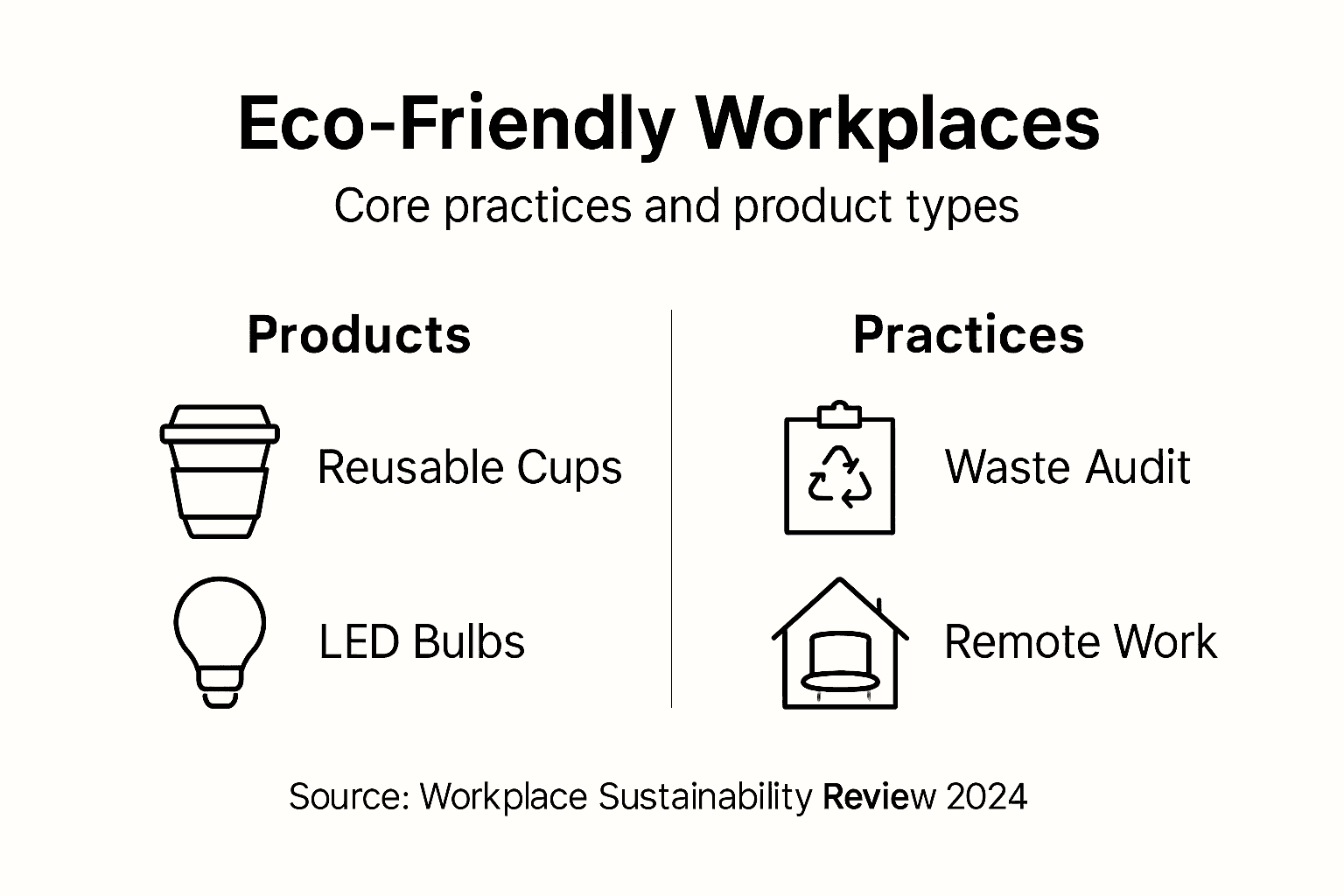
Umweltfreundliche Produkte und Praktiken umfassen eine Vielzahl innovativer Lösungen:
- Wiederverwendbare Trinkgefäße und Lebensmittelbehälter
- Energieeffiziente Büromaschinen
- Nachhaltige Büromöbel aus recycelten Materialien
- Emissionsarme Reinigungsmittel
- Digitale Dokumentationssysteme zur Reduzierung von Papierabfällen
- Solarbetriebene Geräteladegeräte
- Biologisch abbaubare Büroartikel
In Unternehmensumgebungen wird zunehmend erkannt, dass Umweltleistungstandards helfen, echte nachhaltige Produkte zu identifizieren. Diese Standards bewerten Produkte anhand umfassender Lebenszyklusanalysen, einschließlich Energieverbrauch, Chemikalienverbrauch und Recyclingfähigkeit.
Hier ist ein kurzer Vergleich von Zertifizierungsstandards für umweltfreundliche Produkte und deren Schwerpunkten:
| Zertifizierungsstandard | Wichtigster Bewertungsbereich | Beispielhafter Vorteil für den Arbeitsplatz |
|---|---|---|
| ENERGY STAR | Energieeffizienz | Reduzierte Stromkosten |
| Green Seal | Kriterien für Gesundheit und Sicherheit | Weniger Exposition der Mitarbeiter gegenüber Schadstoffen |
| FSC-Zertifizierung | Nachhaltige Materialbeschaffung | Unterstützt verantwortungsvolles Einkaufen |
| UL ECOLOGO | Gesamte Lebenszyklusauswirkungen | Geringeres betriebliches Umweltrisiko |
Durch die Integration umweltfreundlicher Produkte können Organisationen gleichzeitig die Umweltauswirkungen reduzieren und möglicherweise die langfristigen Betriebskosten senken. Die strategische Umsetzung beinhaltet die sorgfältige Auswahl von Produkten, die Nachhaltigkeit mit praktischen Anforderungen am Arbeitsplatz in Einklang bringen, um sicherzustellen, dass Umweltbewusstsein die betriebliche Effizienz nicht beeinträchtigt.
Profi-Tipp: Führen Sie eine umfassende Bestandsaufnahme Ihrer aktuellen Büroartikel durch und ersetzen Sie systematisch nicht nachhaltige Artikel durch zertifizierte umweltfreundliche Alternativen.
Wichtige Merkmale nachhaltiger Bürolösungen
Nachhaltiges Bürodesign repräsentiert einen ganzheitlichen Ansatz zur Schaffung von Arbeitsumgebungen, die ökologische Verantwortung mit benutzerorientierter Funktionalität in Einklang bringen. Nachhaltige Büroräume priorisieren die Reduzierung von Umweltauswirkungen und verbessern gleichzeitig das Wohlbefinden und die Produktivität der Mitarbeiter.
Zu den wichtigsten Merkmalen nachhaltiger Bürolösungen gehören:
- Energieeffiziente Beleuchtung und elektrische Systeme
- Fortschrittliche Technologien zur Wassereinsparung
- Management der Raumluftqualität
- Optimierung des natürlichen Lichts
- Auswahl ungiftiger, recycelter Materialien
- Intelligente Temperaturregelungssysteme
- Infrastruktur zur Abfallreduzierung und zum Recycling
Moderne Organisationen erkennen, dass nachhaltiges Bürodesign ökologische Strategien mit wirtschaftlichen Überlegungen verbindet. Diese umfassenden Ansätze gehen über einfache Energieeinsparungen hinaus und umfassen ganzheitliche Arbeitsumgebungen, die die Gesundheit der Mitarbeiter unterstützen, Betriebskosten senken und den ökologischen Fußabdruck minimieren.

Die Umsetzung nachhaltiger Lösungen erfordert strategische Planung und die Verpflichtung zur kontinuierlichen Verbesserung. Unternehmen müssen ihre aktuellen Praktiken bewerten, in grüne Technologien investieren und eine Arbeitsplatzkultur schaffen, die Umweltverantwortung priorisiert. Dieser Ansatz reduziert nicht nur die ökologischen Auswirkungen, sondern positioniert Organisationen auch als vorausschauende und sozial verantwortliche Unternehmen.
Profi-Tipp: Entwickeln Sie eine umfassende Nachhaltigkeits-Scorecard, um die Umweltleistungskennzahlen Ihres Büros zu verfolgen und kontinuierlich zu verbessern.
Praktische Vorteile für Teams und Marken
Unternehmensnachhaltigkeit geht weit über die Umweltverantwortung hinaus und schafft greifbare Vorteile für Organisationen und ihre Mitarbeiter. Umweltfreundliche Strategien am Arbeitsplatz zeigen, wie Umweltbewusstsein Innovation vorantreiben, die Wettbewerbsfähigkeit verbessern und erhebliche wirtschaftliche Chancen schaffen kann.
Zu den wichtigsten praktischen Vorteilen für Teams und Marken gehören:
- Erhöhtes Engagement und bessere Stimmung der Mitarbeiter
- Verbesserter Unternehmensruf
- Reduzierte Betriebskosten
- Mehr Anziehung und Bindung von Talenten
- Stärkere Differenzierung der Marke
- Wettbewerbsfähige Marktpositionierung
- Größeres Vertrauen der Stakeholder
Nachhaltige Büroumgebungen bieten messbare Vorteile, die über traditionelle Geschäftskennzahlen hinausgehen. Durch die Priorisierung von Umweltverantwortung schaffen Organisationen Arbeitsplatzkulturen, die Top-Talente anziehen, innovatives Denken inspirieren und ein echtes Engagement für soziales und ökologisches Wohlbefinden zeigen.
Die wirtschaftlichen Auswirkungen von Nachhaltigkeit sind tiefgreifend. Unternehmen, die umweltfreundliche Praktiken integrieren, erleben häufig eine verbesserte finanzielle Leistung, geringere Risikoprofile und eine erhöhte langfristige Widerstandsfähigkeit. Diese Strategien verwandeln Umweltverantwortung von einem Kostenfaktor in einen strategischen Wettbewerbsvorteil und ermöglichen es Organisationen, Markttrends anzuführen, statt ihnen zu folgen.
Profi-Tipp: Entwickeln Sie eine umfassende Nachhaltigkeits-Scorecard, die sowohl die Umweltauswirkungen als auch die Geschäftsleistung quantifiziert, um den greifbaren Wert umweltfreundlicher Initiativen zu demonstrieren.
Häufige Fallstricke bei der Einführung umweltfreundlicher Initiativen
Nachhaltigkeitstransformation erfordert mehr als gute Absichten. Umweltfreundliche Herausforderungen in Organisationen offenbaren komplexe Barrieren, die selbst die am besten konzipierten Umweltinitiativen untergraben können.
Zu den häufigen Fallstricken, denen Organisationen begegnen, gehören:
- Top-down-Umsetzung ohne Stakeholder-Input
- Unzureichende Budgetzuweisung
- Mangel an umfassender Nachhaltigkeitsschulung
- Übersehen von Anforderungen an die kulturelle Anpassung
- Inkonsistente Leistungsmessung
- Minimales Engagement der Geschäftsführung
- Unterschätzung der Komplexität des organisatorischen Wandels
Institutionelle Nachhaltigkeitsbarrieren entstehen häufig aus systemischen Herausforderungen wie unzureichenden politischen Rahmenbedingungen und Widerstand gegen die organisatorische Transformation. Diese Hindernisse können erheblichen Reibung erzeugen, bedeutsamen Umweltschritt verhindern und die Wirksamkeit von Initiativen reduzieren.
Die folgende Tabelle fasst häufige Nachhaltigkeits-Fallstricke am Arbeitsplatz und praktische Lösungen zur Überwindung zusammen:
| Häufiger Fallstrick | Empfohlene Lösung |
|---|---|
| Mangel an Stakeholder-Engagement | Bilden Sie abteilungsübergreifende grüne Teams |
| Inkonsistente Leistungsmessung | Implementieren Sie klare Nachhaltigkeitskennzahlen |
| Minimales Engagement der Geschäftsführung | Bieten Sie Nachhaltigkeitsschulungen für Führungskräfte an |
| Unzureichende Budgetzuweisung | Suchen Sie nach Fördermitteln und investieren Sie schrittweise |
Eine erfolgreiche Einführung umweltfreundlicher Praktiken erfordert einen ganzheitlichen, strategischen Ansatz, der über oberflächliche Änderungen hinausgeht. Organisationen müssen robuste Umsetzungsstrategien entwickeln, die kulturelle, finanzielle und betriebliche Herausforderungen gleichzeitig angehen, um echtes Engagement statt oberflächlicher Compliance sicherzustellen.
Profi-Tipp: Führen Sie vor der Einführung einer Nachhaltigkeitsinitiative eine umfassende Bewertung der organisatorischen Bereitschaft durch, um potenzielle Umsetzungsbarrieren zu identifizieren und proaktiv anzugehen.
Setzen Sie noch heute auf echte Umweltfreundlichkeit an Ihrem Arbeitsplatz
Der Weg zu einem wirklich umweltfreundlichen Arbeitsplatz bedeutet, echte Herausforderungen wie Abfallreduzierung, Senkung des CO₂-Fußabdrucks und die Wahl nachhaltiger Materialien anzugehen. Dieser Artikel hebt die Bedeutung hervor, praktische, kosteneffiziente Lösungen zu integrieren, die die Umwelt schützen und gleichzeitig das Wohlbefinden der Mitarbeiter verbessern. Wir bei FLASKE verstehen diese Probleme und bieten langlebige, personalisierte Trinkgefäße aus Edelstahl an, die entwickelt wurden, um Einwegflaschen und -becher zu ersetzen. Unsere Produkte unterstützen Ihre Nachhaltigkeitsziele, indem sie Ihnen helfen, Einwegkunststoffe zu minimieren und eine gesündere, grünere Bürokultur zu fördern.
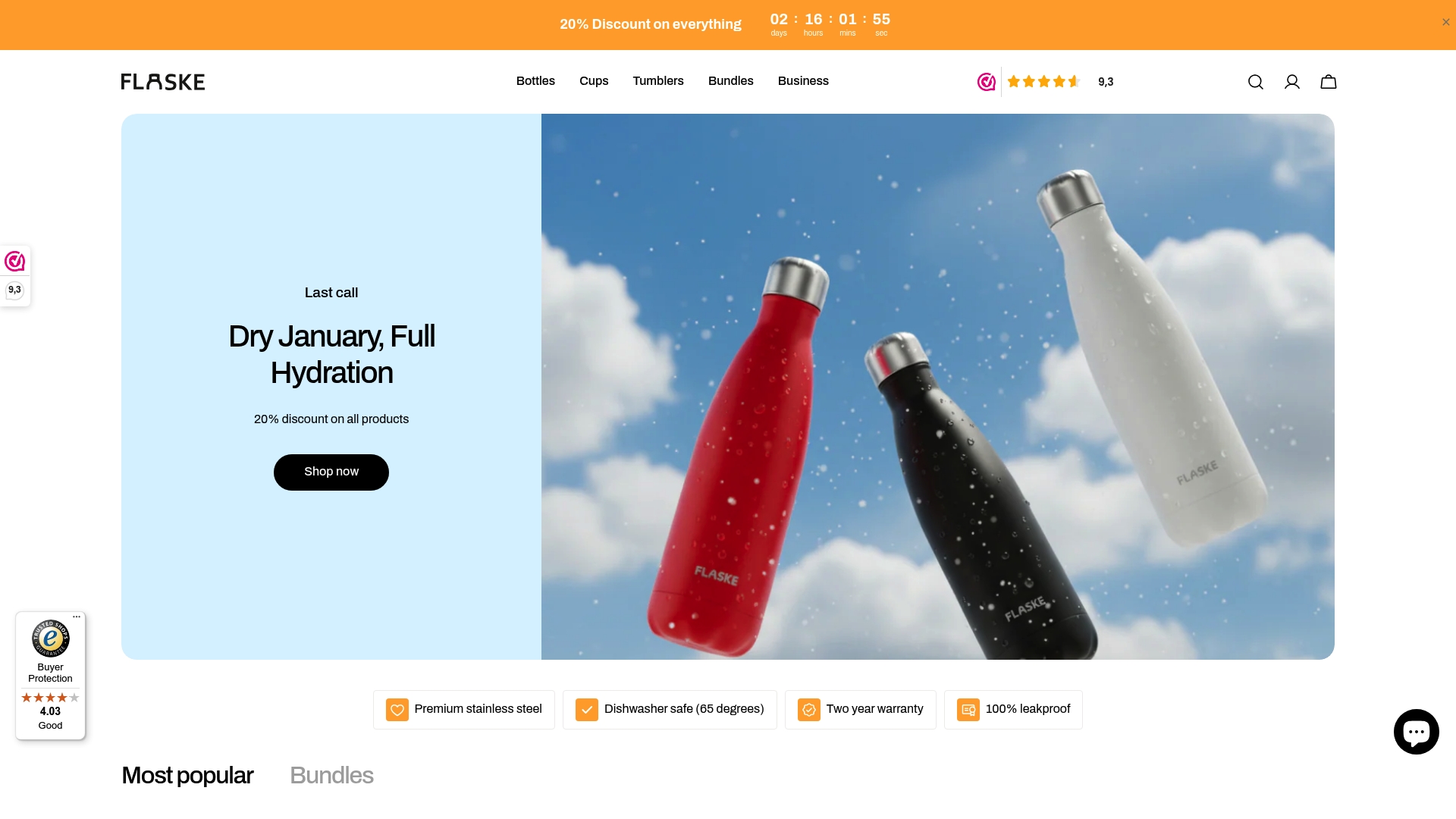
Machen Sie den nächsten Schritt auf Ihrer Nachhaltigkeitsreise, indem Sie unser Sortiment an umweltfreundlichen Flaschen und Kaffeetassen entdecken, die speziell für Unternehmen entwickelt wurden. Erfahren Sie, wie kleine tägliche Entscheidungen große Umweltauswirkungen erzielen und das Engagement Ihrer Marke für Unternehmensnachhaltigkeit stärken können. Besuchen Sie FLASKE, um die perfekten nachhaltigen Trinkgefäßlösungen zu finden und jetzt damit zu beginnen, die Auswirkungen Ihres Arbeitsplatzes zu verändern.
Häufig gestellte Fragen
Was bedeutet umweltfreundlich im Kontext des Arbeitsplatzes?
Umweltfreundlich im Kontext des Arbeitsplatzes bedeutet, Praktiken umzusetzen und Produkte zu verwenden, die die Umweltauswirkungen minimieren, Ressourcen schonen und Nachhaltigkeit fördern. Es beinhaltet Strategien, die den CO₂-Fußabdruck reduzieren und die Gesundheit von Ökosystemen schützen.
Wie können Unternehmen echte umweltfreundliche Produkte identifizieren?
Unternehmen können echte umweltfreundliche Produkte identifizieren, indem sie nach Zertifizierungsstandards wie ENERGY STAR für Energieeffizienz oder Green Seal für Kriterien für Gesundheit und Sicherheit suchen. Diese Zertifizierungen bewerten Produkte anhand ihrer Lebenszyklusanalysen und stellen sicher, dass sie Nachhaltigkeitskriterien erfüllen.
Welche umweltfreundlichen Praktiken kann ein Arbeitsplatz übernehmen?
Zu den häufigen umweltfreundlichen Praktiken gehören die Verwendung energieeffizienter Beleuchtung, Investitionen in nachhaltige Büromöbel, die Implementierung digitaler Dokumentationssysteme zur Reduzierung des Papierverbrauchs und die Förderung der Verwendung biologisch abbaubarer Büroartikel. Jede davon hilft, die Gesamtauswirkungen des Arbeitsplatzes auf die Umwelt zu verringern.
Welche Vorteile bietet die Einführung umweltfreundlicher Strategien am Arbeitsplatz?
Die Einführung umweltfreundlicher Strategien kann zu erhöhtem Engagement der Mitarbeiter, verbessertem Unternehmensruf, reduzierten Betriebskosten und größerem Vertrauen der Stakeholder führen. Darüber hinaus kann sie helfen, Talente anzuziehen und zu binden, während die Marke wettbewerbsfähig am Markt positioniert wird.