


Choosing the right packaging can feel like a high-stakes decision when every material sends a message about your brand’s values. Eco-friendly packaging has shifted from a nice-to-have to an urgent priority for brands responding to both growing environmental concerns and changing consumer expectations. As sustainable packaging becomes a true business imperative, you will find practical ways to minimize environmental impact, reinforce your brand’s credibility, and connect with customers who care about genuine environmental responsibility.
Table of Contents
- Defining Eco-Friendly Packaging And Its Impact
- Types Of Sustainable Packaging Solutions
- How Eco-Packaging Enhances Brand Image
- Financial Costs And Operational Implications
- Risks, Compliance, And Common Mistakes
Key Takeaways
| Point | Details |
|---|---|
| Eco-Friendly Packaging is Essential | It reduces environmental impact while catering to consumer demand for sustainability. |
| Consumer Preferences Shifted | 73% of consumers are willing to pay more for sustainable packaging, making it a strategic business investment. |
| Sustainable Packaging Types Matter | Various types, including recyclable, reusable, biodegradable, and compostable packaging, offer distinct environmental and business benefits. |
| Compliance and Risk Management are Crucial | Companies must navigate regulatory challenges and common mistakes to successfully implement eco-friendly packaging solutions. |
Defining Eco-Friendly Packaging and Its Impact
Eco-friendly packaging represents a strategic approach to reducing environmental impact while meeting consumer expectations for sustainable product solutions. Sustainable packaging design has evolved from a niche concept to a critical business imperative across global industries.
At its core, eco-friendly packaging involves creating product containers and wrapping materials that minimize environmental harm through innovative design and material selection. These solutions prioritize several key characteristics:
- Utilizes renewable or recycled materials
- Minimizes carbon footprint during production
- Supports circular economy principles
- Reduces waste and pollution
- Enables easy recycling or biodegradation
Consumer perspectives have dramatically shifted, with increasing demand for brands that demonstrate genuine environmental responsibility. Modern customers view packaging as an extension of a company’s values, making sustainable design not just an environmental strategy, but a powerful marketing approach.
Environmental Impact of traditional packaging remains substantial. Global packaging pollution challenges highlight how conventional materials contribute significantly to greenhouse gas emissions and waste management problems. Plastic packaging alone generates millions of tons of non-biodegradable waste annually, creating long-term ecological challenges.
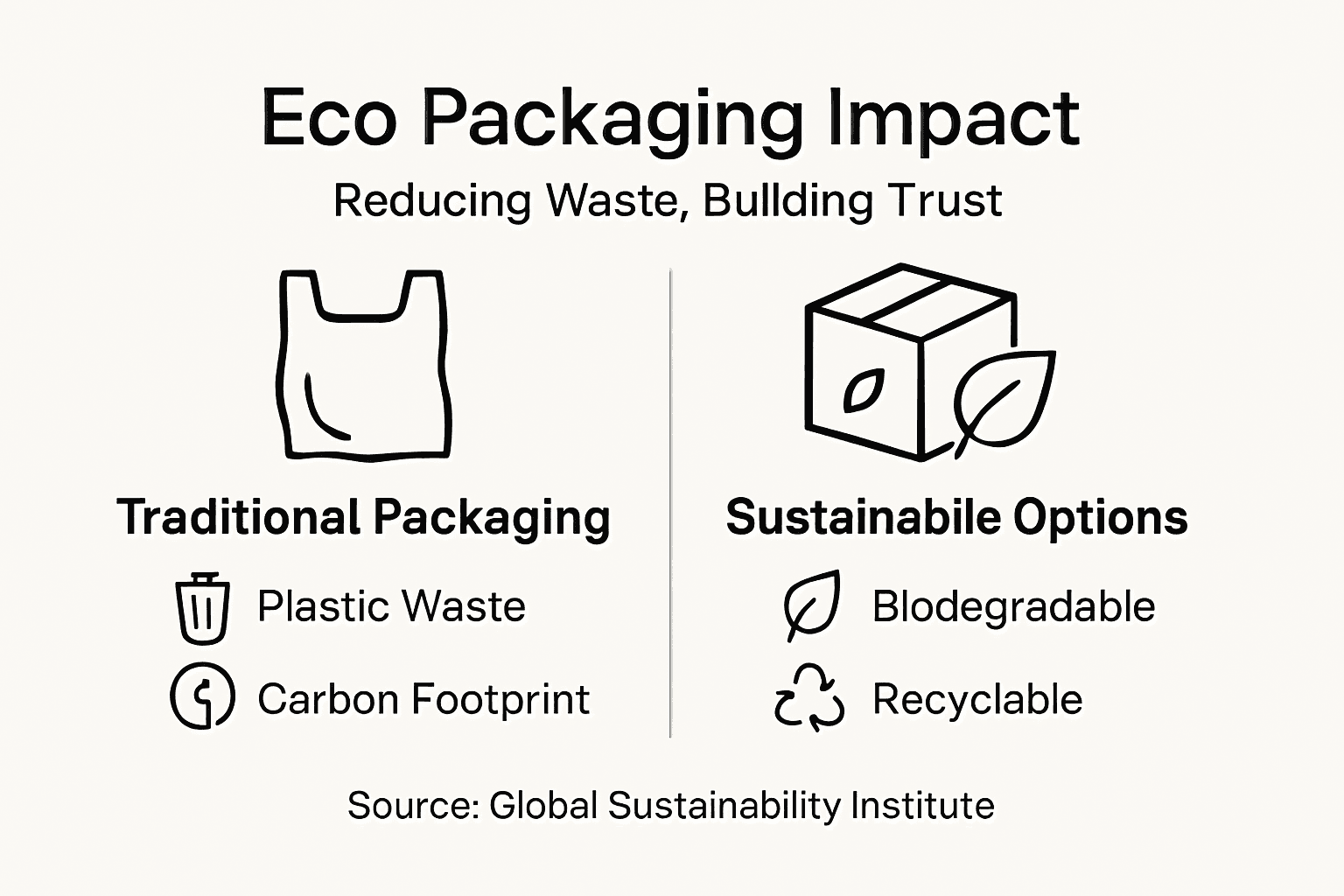
Pro-Tip: Research indicates that 73% of consumers are willing to pay more for sustainable packaging, making it a strategic investment for forward-thinking brands.
Types of Sustainable Packaging Solutions
Sustainable packaging has evolved into a sophisticated field with multiple innovative approaches designed to minimize environmental impact. Sustainable packaging technologies now offer diverse solutions that go beyond traditional waste reduction strategies.
The primary categories of sustainable packaging solutions include:
- Recyclable Packaging: Materials easily processed and reintegrated into manufacturing cycles
- Reusable Packaging: Containers designed for multiple uses across product lifecycles
- Biodegradable Packaging: Materials that naturally decompose without environmental harm
- Compostable Packaging: Solutions that break down completely in commercial composting environments
Biopolymer innovations represent a cutting-edge frontier in sustainable packaging design. Biodegradable packaging materials are increasingly replacing traditional petroleum-based plastics, offering advanced performance with reduced environmental consequences.

Modern sustainable packaging solutions prioritize not just waste reduction, but also enhanced product preservation, reduced carbon footprint, and improved consumer experience. Manufacturers are investing in research to develop materials that are both environmentally responsible and functionally superior to conventional packaging.
Here’s a comparison of sustainable packaging types and their unique business benefits:
| Packaging Type | Environmental Benefit | Business Impact |
|---|---|---|
| Recyclable | Lowers landfill waste | Strengthens brand responsibility |
| Reusable | Reduces total material usage | Enables customer loyalty programs |
| Biodegradable | Minimizes long-term pollution | Attracts eco-conscious consumers |
| Compostable | Adds value through zero waste | Enhances premium positioning |
Sustainable packaging is not just an environmental choice—it’s a strategic business decision that impacts brand perception, consumer trust, and long-term ecological sustainability.
Pro-Tip: Conduct a comprehensive packaging audit to identify opportunities for sustainable material transitions and potential cost savings in your current packaging strategy.
How Eco-Packaging Enhances Brand Image
Consumer perceptions of brand sustainability have dramatically transformed modern marketing strategies. Brands now recognize that packaging is far more than a functional necessity—it’s a powerful communication tool that directly influences consumer trust and loyalty.
Eco-packaging offers multiple strategic advantages for brands seeking to enhance their market positioning:
- Demonstrates environmental commitment
- Attracts environmentally conscious consumers
- Differentiates brand from traditional competitors
- Signals corporate social responsibility
- Creates positive emotional connection with customers
Brand Reputation receives significant boost through sustainable packaging choices. Modern consumers actively seek brands that align with their personal values, making eco-friendly packaging a critical differentiator in crowded markets.
Global consumer sustainability trends reveal that environmental consciousness is no longer a niche concern but a mainstream expectation. Companies investing in sustainable packaging solutions demonstrate forward-thinking leadership and commitment to global environmental challenges.
Sustainable packaging is not just an environmental statement—it’s a powerful brand positioning strategy that communicates corporate values and connects with conscious consumers.
Pro-Tip: Conduct quarterly consumer surveys to measure how your sustainable packaging initiatives impact brand perception and customer loyalty.
Financial Costs and Operational Implications
Sustainable packaging material selection represents a complex strategic decision that balances environmental goals with economic realities. Companies must carefully evaluate the financial implications of transitioning to eco-friendly packaging solutions, understanding that initial investments can yield long-term strategic advantages.
Key financial considerations for eco-packaging implementation include:
- Initial material procurement costs
- Research and development expenses
- Equipment and process modification investments
- Potential supply chain restructuring
- Training and workforce adaptation costs
- Long-term sustainability savings
Operational Transformation requires comprehensive planning and strategic resource allocation. European packaging regulation impacts740245_EN.pdf) demonstrate that companies must proactively adapt to evolving sustainability mandates, which increasingly influence manufacturing and packaging strategies.
Companies typically experience a three-stage financial journey when implementing sustainable packaging: initial investment, transition period, and long-term cost stabilization. While upfront expenses can seem daunting, many organizations discover that eco-friendly packaging ultimately reduces overall operational costs through improved efficiency and waste reduction.
The stages of financial investment in sustainable packaging summarized:
| Stage | Typical Costs | Expected Outcome |
|---|---|---|
| Initial Investment | High upfront spending | Improved materials and design |
| Transition Period | Moderate adjustments | Operation and training costs |
| Cost Stabilization | Lower total expense | Efficiency and savings |
Sustainable packaging is not merely an expense—it’s a strategic investment in future-proofing your business model and meeting evolving consumer expectations.
Pro-Tip: Conduct a comprehensive total cost of ownership analysis that includes both direct packaging expenses and indirect environmental impact costs.
Risks, Compliance, and Common Mistakes
Sustainable packaging compliance challenges represent a complex landscape of regulatory, technical, and strategic considerations. Companies must navigate multiple interconnected risks to successfully implement eco-friendly packaging solutions.
Common mistakes in sustainable packaging implementation include:
- Overlooking food safety requirements
- Ignoring material compatibility issues
- Failing to assess full lifecycle environmental impact
- Underestimating supply chain integration challenges
- Neglecting regulatory compliance details
- Insufficient testing of new packaging materials
Regulatory Navigation demands meticulous attention to evolving standards. Food packaging design risks highlight the critical need for comprehensive risk assessment and proactive compliance strategies that balance sustainability goals with functional and safety requirements.
Successful eco-packaging implementation requires cross-functional collaboration, involving legal, environmental, marketing, and production teams. Companies must develop robust risk management frameworks that anticipate potential challenges and create flexible adaptation strategies.
Compliance is not a destination, but a continuous journey of learning, adaptation, and strategic innovation.
Pro-Tip: Develop a comprehensive risk assessment matrix that evaluates environmental, regulatory, and operational risks before implementing new sustainable packaging solutions.
Elevate Your Brand with Sustainable Packaging Solutions
The article highlights the urgent need for brands to adopt eco-friendly packaging as a powerful way to transform consumer perception and demonstrate genuine environmental commitment. Many companies struggle to balance sustainability goals with maintaining strong brand identity and customer loyalty. At FLASKE, we understand these challenges and offer personalized, durable stainless steel drink bottles and coffee cups designed for businesses and consumers who value sustainability without compromising style or function.
Our products embody the key concepts from the article such as supporting the circular economy, reducing waste, and delivering a premium experience that resonates with eco-conscious customers. By choosing FLASKE, your brand signals leadership in environmental responsibility and builds a lasting emotional connection with your audience.
Ready to make sustainable packaging an integral part of your brand story today?
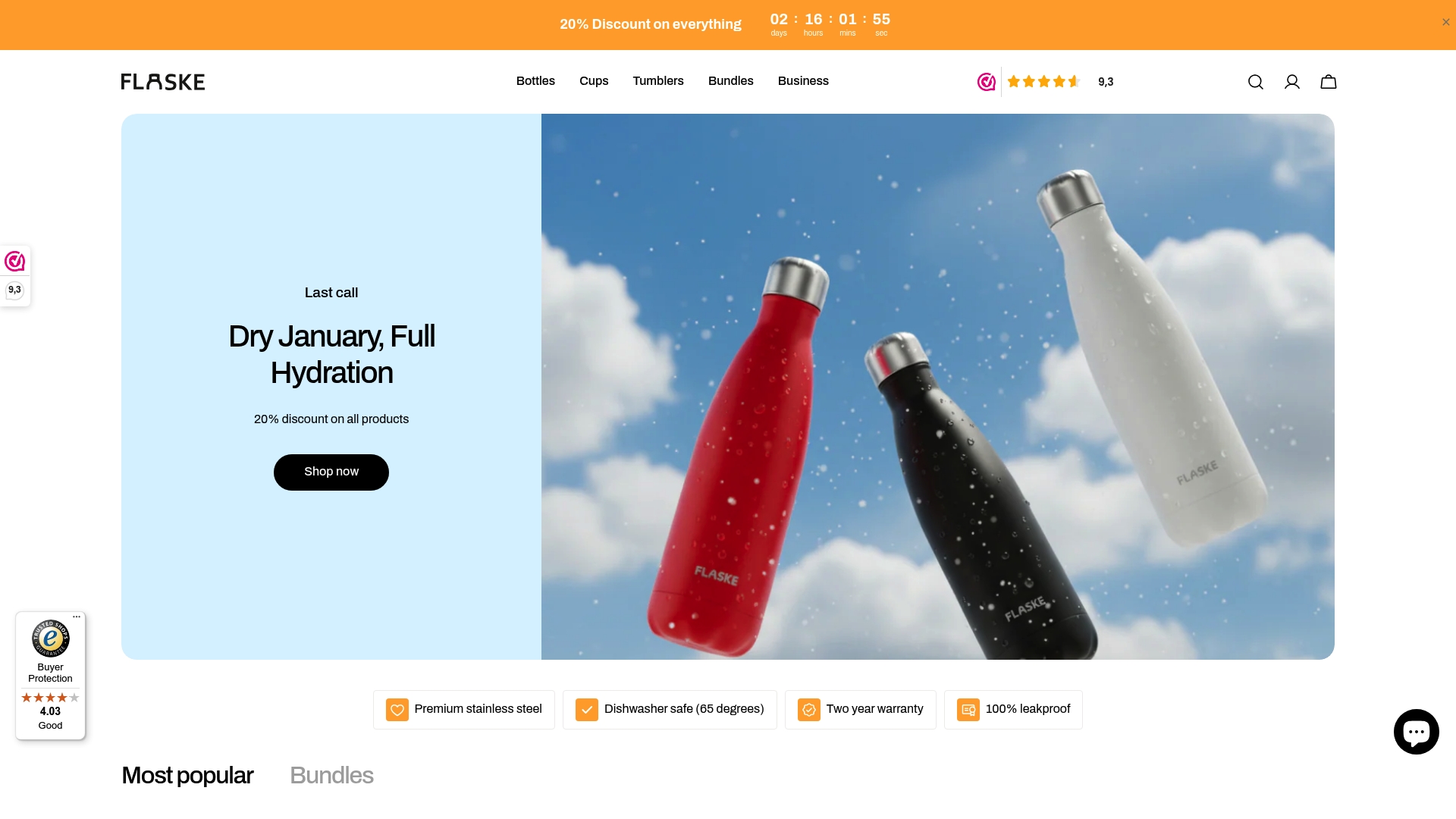
Discover how our customizable stainless steel bottles and coffee cups can boost your brand’s eco-friendly image. Visit FLASKE now to explore sustainable solutions that drive loyalty and set you apart in a competitive market. Don’t wait to align your brand with the future of sustainable packaging.
Frequently Asked Questions
What is eco-friendly packaging?
Eco-friendly packaging refers to product containers and materials that are designed to minimize environmental harm. This includes using renewable or recycled materials, reducing carbon footprints, supporting circular economy principles, and enabling easy recycling or biodegradation.
How does eco-friendly packaging impact brand perception?
Eco-friendly packaging enhances brand perception by demonstrating a company’s commitment to sustainability. It attracts environmentally conscious consumers and differentiates brands from competitors, ultimately building consumer trust and loyalty.
What are the different types of sustainable packaging solutions?
The primary types of sustainable packaging include recyclable packaging, reusable packaging, biodegradable packaging, and compostable packaging, each offering unique environmental benefits and operational advantages for businesses.
What are the financial implications of switching to eco-friendly packaging?
Switching to eco-friendly packaging involves initial material costs and possible investments in research and development, equipment modification, and training. However, it can result in long-term cost savings through improved efficiency and reduced waste.


