

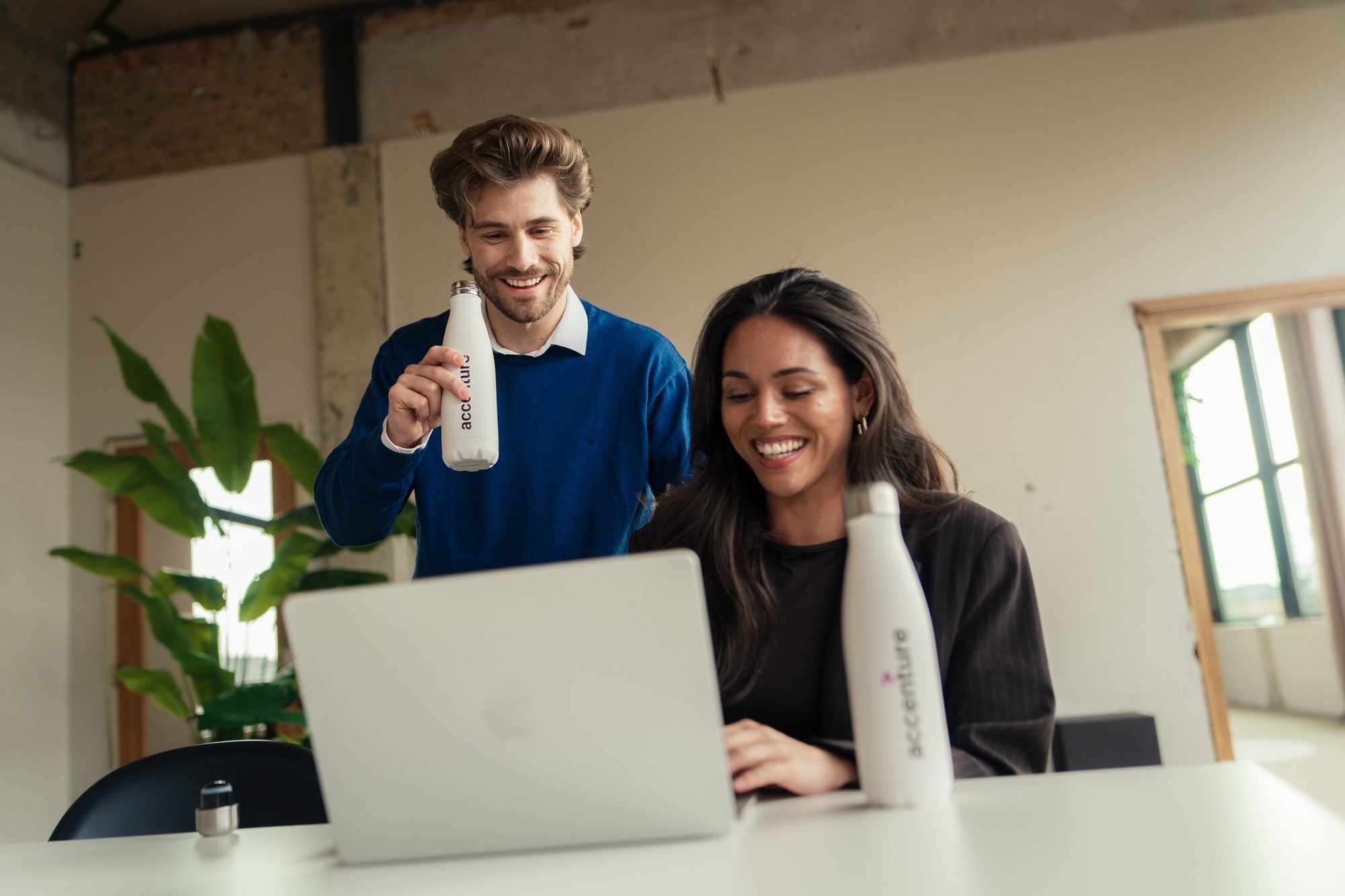
Selecting drinkware for workplace wellness has become more complex as sustainability expectations grow in European tech firms. HR managers face common myths about hygiene and convenience when considering reusable options for employee programs. Understanding the proven benefits of reusable drinkware, from minimized environmental waste to enhanced employee wellbeing, equips teams to champion smarter corporate social responsibility. This introduction explores clear definitions, common misconceptions, and actionable strategies for supporting employee health and organizational sustainability.
Table of Contents
- Defining Reusable Drinkware And Common Myths
- Types Of Reusable Drinkware For Workplaces
- Health, Wellness, And Sustainability Benefits
- Implementing Reusable Drinkware In Wellness Programs
- Cost, Compliance, And Common Pitfalls
Key Takeaways
| Point | Details |
|---|---|
| Sustainability Importance | Reusable drinkware significantly reduces environmental waste compared to disposable options, promoting corporate responsibility. |
| Addressing Myths | Common misconceptions about hygiene and maintenance can be countered with education and standardized cleaning protocols. |
| Variety of Options | Different materials like stainless steel, glass, and BPA-free plastic cater to diverse employee preferences and workplace needs. |
| Health Benefits | Using reusable drinkware decreases exposure to harmful chemicals and enhances employee hydration, leading to better productivity. |
Defining Reusable Drinkware and Common Myths
Reusable drinkware represents more than just a trendy sustainability accessory for modern workplaces. These carefully designed beverage containers are engineered to provide repeated use while minimizing environmental waste. Lifecycle assessments reveal complex sustainability dynamics that challenge common misconceptions about single-use versus reusable products.
At its core, reusable drinkware encompasses drinking vessels specifically manufactured to withstand multiple wash cycles and repeated usage. These containers range from stainless steel water bottles to insulated coffee mugs, crafted with durability and environmental consciousness in mind. Unlike disposable alternatives that generate immediate waste, reusable options are designed to minimize ecological footprints through extended lifecycles and reduced resource consumption.
Several persistent myths surround reusable drinkware that warrant careful examination. Many professionals incorrectly assume these products are less hygienic than disposable options or require excessive maintenance. Sustainable product research demonstrates that properly maintained reusable drinkware can actually be more sanitary and significantly more environmentally responsible. Common misconceptions include:
- Myth: Reusable drinkware is less clean than single-use containers
- Myth: Production of reusable items creates more environmental damage
- Myth: Maintaining reusable drinkware is time-consuming and inconvenient
These myths often stem from limited understanding of modern manufacturing techniques and sustainable design principles. Corporate wellness programs can effectively challenge these perceptions by implementing comprehensive education and convenient maintenance strategies.
Pro tip: Implement a standardized cleaning protocol for reusable drinkware to address hygiene concerns and maximize employee adoption of sustainable practices.
Types of Reusable Drinkware for Workplaces
Reusable drinkware represents a diverse ecosystem of sustainable beverage containers designed to meet the unique needs of modern corporate environments. Beverage packaging solutions span multiple material types including stainless steel, glass, and advanced recyclable plastics, each offering distinct advantages for workplace wellness programs.
Stainless steel remains the most popular material for reusable drinkware due to its durability, temperature retention capabilities, and minimal environmental impact. These containers typically include insulated water bottles, travel tumblers, and multi-purpose mugs that can accommodate both hot and cold beverages. Glass and high-grade BPA-free plastics represent alternative options, particularly for organizations prioritizing transparency and lightweight design.
Reusable to-go drinkware systems can be categorized into several primary workplace-friendly types:
- Insulated Stainless Steel Bottles: Perfect for temperature-sensitive beverages
- Glass Tumblers with Protective Sleeves: Ideal for aesthetic-conscious environments
- Collapsible Silicone Containers: Excellent for space-saving and travel
- Ceramic Mugs with Sustainable Lids: Best for office coffee culture
- Vacuum-Sealed Thermoses: Optimal for maintaining beverage temperature
The selection of reusable drinkware should align with specific organizational goals, employee preferences, and sustainability commitments. Factors like cleaning protocols, material durability, and overall environmental impact play crucial roles in determining the most suitable options for corporate wellness initiatives.
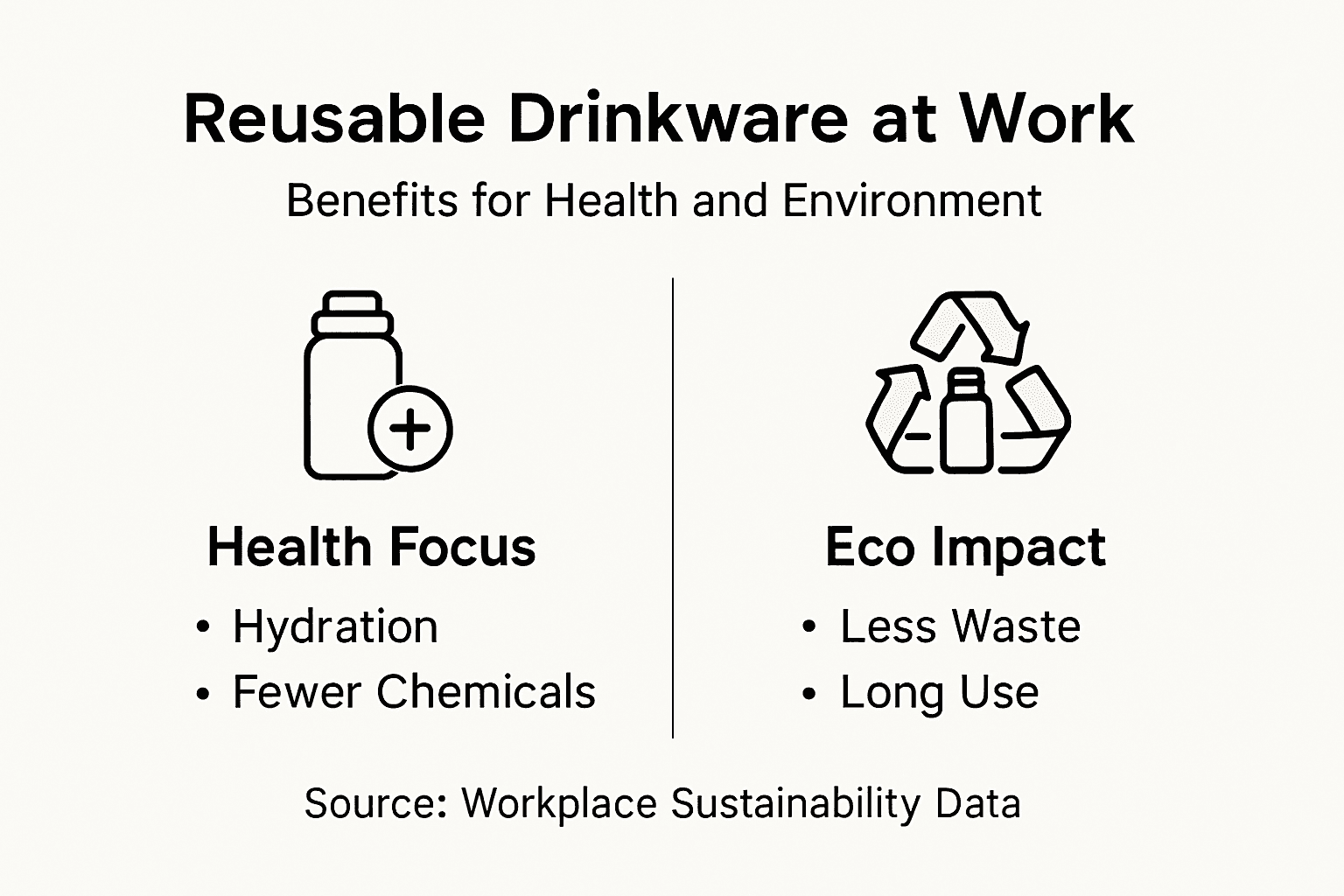
Here’s how the main reusable drinkware materials compare in workplace settings:
| Material Type | Durability | Environmental Impact | Typical Workplace Use |
|---|---|---|---|
| Stainless Steel | Extremely high | Low (fully recyclable) | Hot/cold water, coffee mugs |
| Glass | Moderate | Low (inert, recyclable) | Desk tumblers, visible drinks |
| BPA-Free Plastic | High | Variable (depends on grade) | Lightweight, travel bottles |
| Silicone (Collapsible) | High when thick | Low (recyclable if pure) | Commuter, space-saving cups |
| Ceramic | Moderate | Low with proper sourcing | Coffee mugs, meeting rooms |
Pro tip: Conduct an employee survey to understand drinkware preferences and select reusable options that balance sustainability with user comfort and convenience.
Health, Wellness, and Sustainability Benefits
Reducing harmful chemical exposures represents a critical health advantage of transitioning to reusable drinkware in corporate environments. Traditional single-use plastics often contain harmful compounds like BPA and phthalates that can leach into beverages, potentially causing long-term health risks. By implementing reusable drinkware, organizations demonstrate a proactive approach to employee wellness and environmental stewardship.

The wellness benefits extend beyond chemical avoidance, directly impacting employee hydration and health behaviors. Reusable drinkware encourages increased water consumption by providing convenient, personalized containers that employees can refill throughout the workday. This subtle intervention can improve overall hydration levels, potentially enhancing cognitive performance, reducing fatigue, and supporting metabolic functions crucial for workplace productivity.
Microbial safety considerations play a significant role in understanding the comprehensive wellness potential of reusable drinkware. Proper cleaning and maintenance protocols are essential to ensure these containers remain hygienic and safe. Key sustainability and health benefits include:
- Reduction of single-use plastic waste by up to 90%
- Decreased carbon footprint for individual and organizational consumption
- Improved employee awareness of environmental sustainability
- Enhanced personal health through reduced chemical exposure
- Cost savings from eliminating disposable container purchases
Corporate wellness programs that integrate reusable drinkware demonstrate a holistic approach to employee health, combining personal well-being with broader environmental responsibility. By selecting high-quality, easily maintained drinkware materials, organizations can create meaningful interventions that support both individual and planetary health.
Pro tip: Develop a comprehensive cleaning and maintenance guide for reusable drinkware to ensure maximum hygiene and employee confidence in the sustainability initiative.
Implementing Reusable Drinkware in Wellness Programs
Strategic implementation frameworks are essential for successfully integrating reusable drinkware into corporate wellness programs. Organizations must approach this initiative as a comprehensive behavior change strategy, addressing not just product procurement but also employee engagement, infrastructure development, and cultural transformation.
The implementation process requires a systematic approach that considers multiple organizational dimensions. This involves conducting initial assessments to understand current beverage consumption patterns, employee preferences, and existing waste management practices. Successful programs typically develop multi-stage rollout strategies that include pilot testing, feedback collection, and iterative improvements to ensure maximum adoption and sustainability.
Systems thinking approaches provide valuable insights into overcoming potential barriers to reusable drinkware adoption. Key implementation steps include:
- Conduct comprehensive employee surveys about drinkware preferences
- Develop clear communication strategies highlighting wellness benefits
- Install convenient refill stations throughout workplace environments
- Create incentive programs encouraging reusable drinkware usage
- Establish cleaning and maintenance protocols
- Design tracking mechanisms to measure program effectiveness
Effective implementation demands a holistic approach that integrates sustainability goals with employee wellness objectives. By treating reusable drinkware as more than just a product but as a strategic wellness intervention, organizations can create meaningful cultural shifts that benefit both individual health and environmental sustainability.
The following table outlines key steps and their value in rolling out corporate reusable drinkware programs:
| Implementation Step | Purpose | Workplace Benefit |
|---|---|---|
| Employee Survey | Gauge needs and preferences | Higher user adoption |
| Refill Station Setup | Support regular container use | Convenience and usage boost |
| Incentive Program | Motivate participation | Faster behavior change |
| Maintenance Protocol | Ensure hygiene and safety | Sustained program credibility |
| Effectiveness Tracking | Monitor and measure progress | Ongoing strategy improvement |
Pro tip: Create a cross-functional implementation team representing human resources, facilities management, and sustainability departments to ensure comprehensive and integrated program development.
Cost, Compliance, and Common Pitfalls
Rising costs and product quality represent significant challenges in implementing corporate reusable drinkware programs. Organizations must carefully evaluate initial investment requirements, long-term sustainability, and potential return on investment before launching comprehensive initiatives. While the upfront expenses might seem prohibitive, strategic procurement and bulk purchasing can help mitigate financial barriers.
The compliance landscape for reusable drinkware involves navigating complex regulatory requirements related to hygiene, waste management, and environmental standards. Different industries and regions may have unique guidelines governing the use and maintenance of reusable containers. Companies must develop robust protocols that address potential legal and health safety concerns while maintaining program flexibility and employee engagement.
Scalable implementation strategies can help organizations overcome common adoption challenges. Potential pitfalls include:
- Inadequate initial needs assessment
- Poor infrastructure for cleaning and maintenance
- Insufficient employee training and communication
- Lack of clear incentive structures
- Inconsistent enforcement of program guidelines
- Limited tracking of program effectiveness
Successful programs recognize that cost considerations extend beyond monetary investments. They involve comprehensive evaluations of environmental impact, employee wellness, and long-term organizational sustainability. By developing nuanced, adaptive strategies, companies can transform potential obstacles into opportunities for meaningful change.
Pro tip: Conduct a pilot program with a small, diverse employee group to test implementation strategies and identify potential challenges before full-scale rollout.
Elevate Your Corporate Wellness with Sustainable Drinkware
The article highlights that many companies face challenges in improving employee wellness while meeting sustainability goals. Common obstacles include employee hesitation around hygiene and inconvenience as well as selecting durable products that fit workplace culture. At FLASKE, we understand these concerns and offer durable, personalized stainless steel solutions crafted to inspire healthier habits and reduce environmental impact. Incorporating elegant Tumblers – Flaske or versatile Cups – Flaske into your wellness program can foster hydration, reduce plastic waste, and promote eco-conscious values.
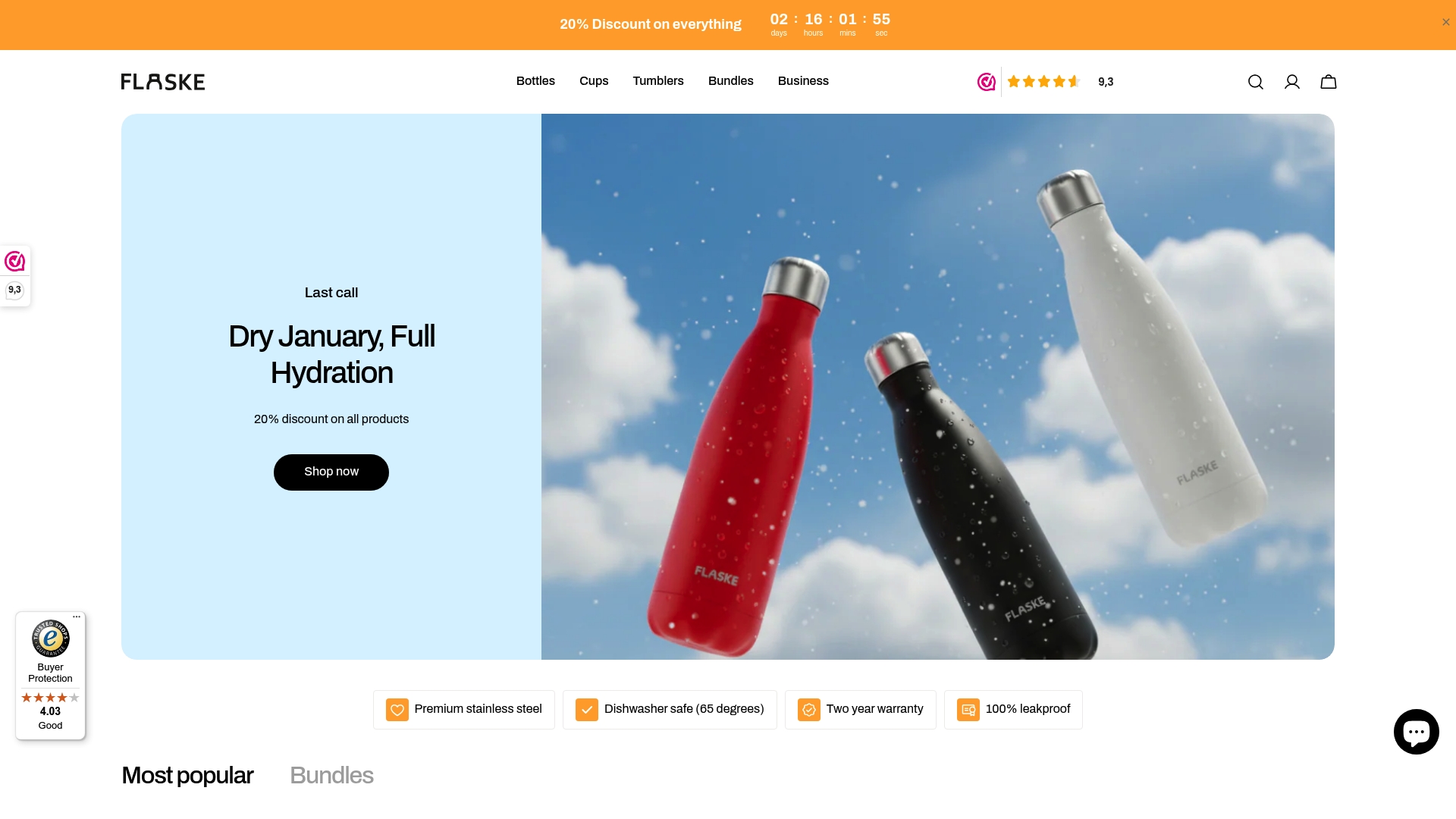
Discover how FLASKE’s reusable drinkware can transform your workplace into a model of sustainable wellness. Act now to provide your team with safe, stylish, and easy-to-maintain drinkware that supports both health and corporate responsibility. Visit FLASKE today and take the first step to a greener, healthier office culture.
Frequently Asked Questions
What are the health benefits of using reusable drinkware in the workplace?
Using reusable drinkware helps reduce exposure to harmful chemicals found in single-use plastics, promotes better hydration through personalized containers, and can enhance overall employee wellness through improved hydration levels.
How can organizations effectively implement reusable drinkware in their wellness programs?
Effective implementation involves conducting employee surveys, setting up convenient refill stations, creating incentive programs, and establishing cleaning and maintenance protocols to ensure ongoing usage and hygiene.
What materials are commonly used in reusable drinkware, and what are their advantages?
Common materials include stainless steel, glass, BPA-free plastic, silicone, and ceramic. Stainless steel is known for its durability and temperature retention, while glass is preferred for its transparency and aesthetic appeal. BPA-free plastic is lightweight, and silicone offers space-saving options.
How do I ensure the hygiene of reusable drinkware?
To ensure hygiene, develop a comprehensive cleaning and maintenance guide, implement standardized cleaning protocols, and encourage employees to regularly clean their drinkware after each use. This helps maintain safety and encourages consistent use.


